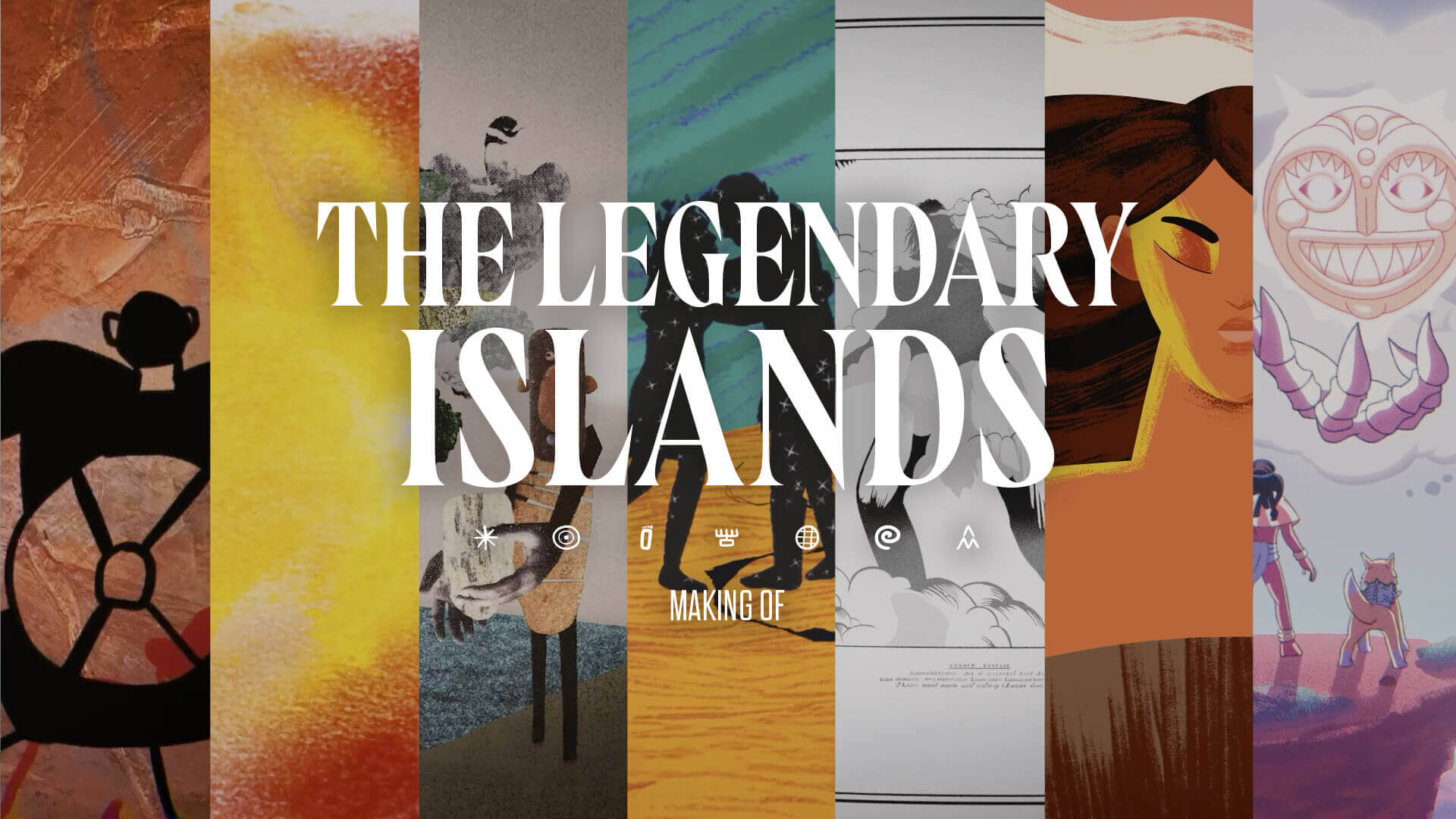



Discover the indigenous legacy of the Canary Islands
Legends are not just stories; they are the memory of a people.
They are part of the land, the wind, the volcanoes, the ravines, and the stars.
They also belong to those who tell them, and will continue to tell them.
The Legendary Islands is an audiovisual project that brings seven Canary Islands indigenous legends to life, interpreted by seven artists from different parts of the world.
A journey through time to discover a nature and culture unique in the world.
SILVA’S SLOPE
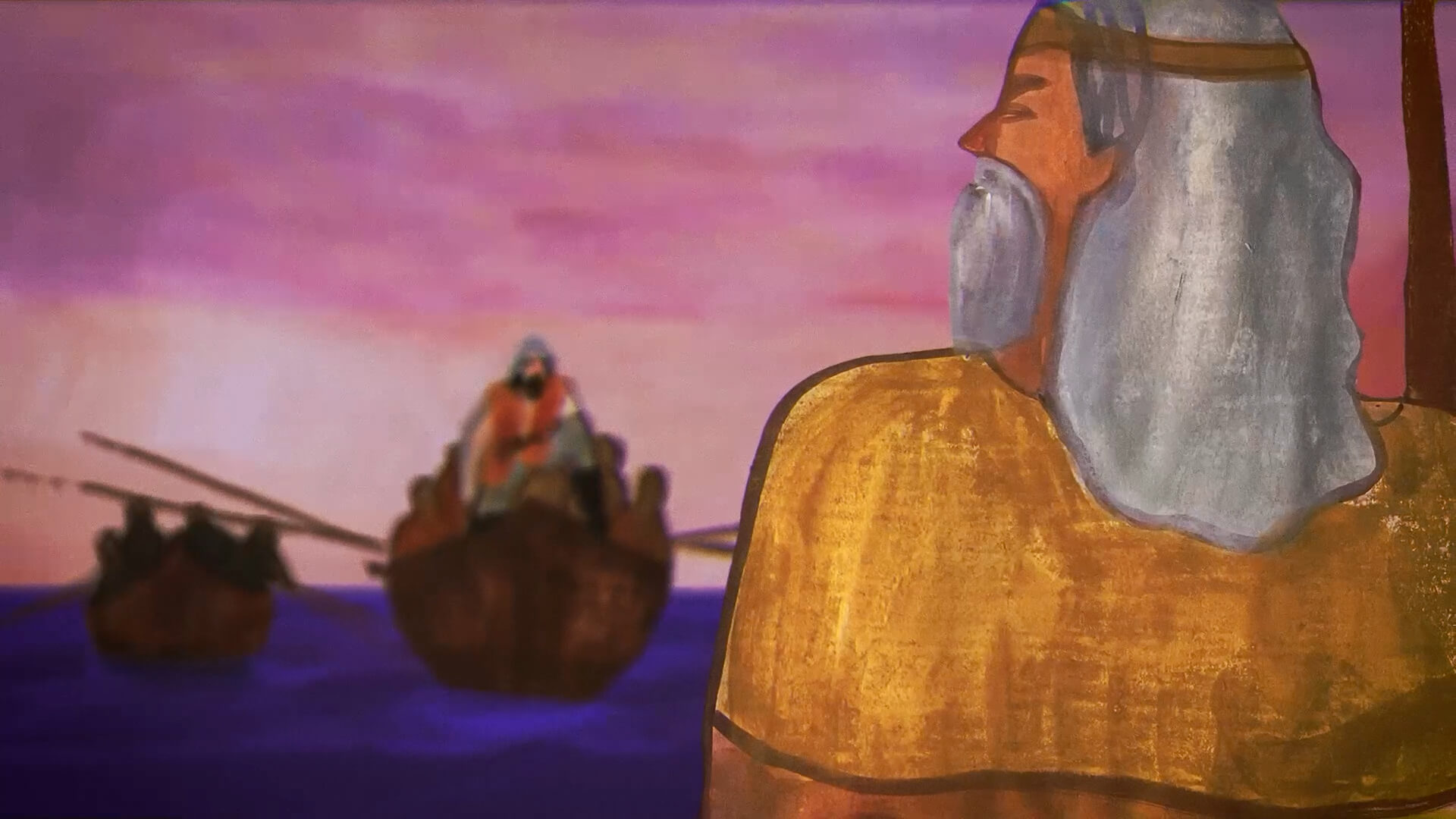
The conquistador Diego Da Silva thought 200 soldiers would be enough to conquer the town of Gáldar, but he was wrong. He didn’t count on the indigenous people having a more powerful weapon: their island.
German illustrator Ann Bahrs, with her warm and poetic aesthetics, mixes drawing with collage to bring this legend to life, showing us that an embrace can win a war.
GARA AND JONAY
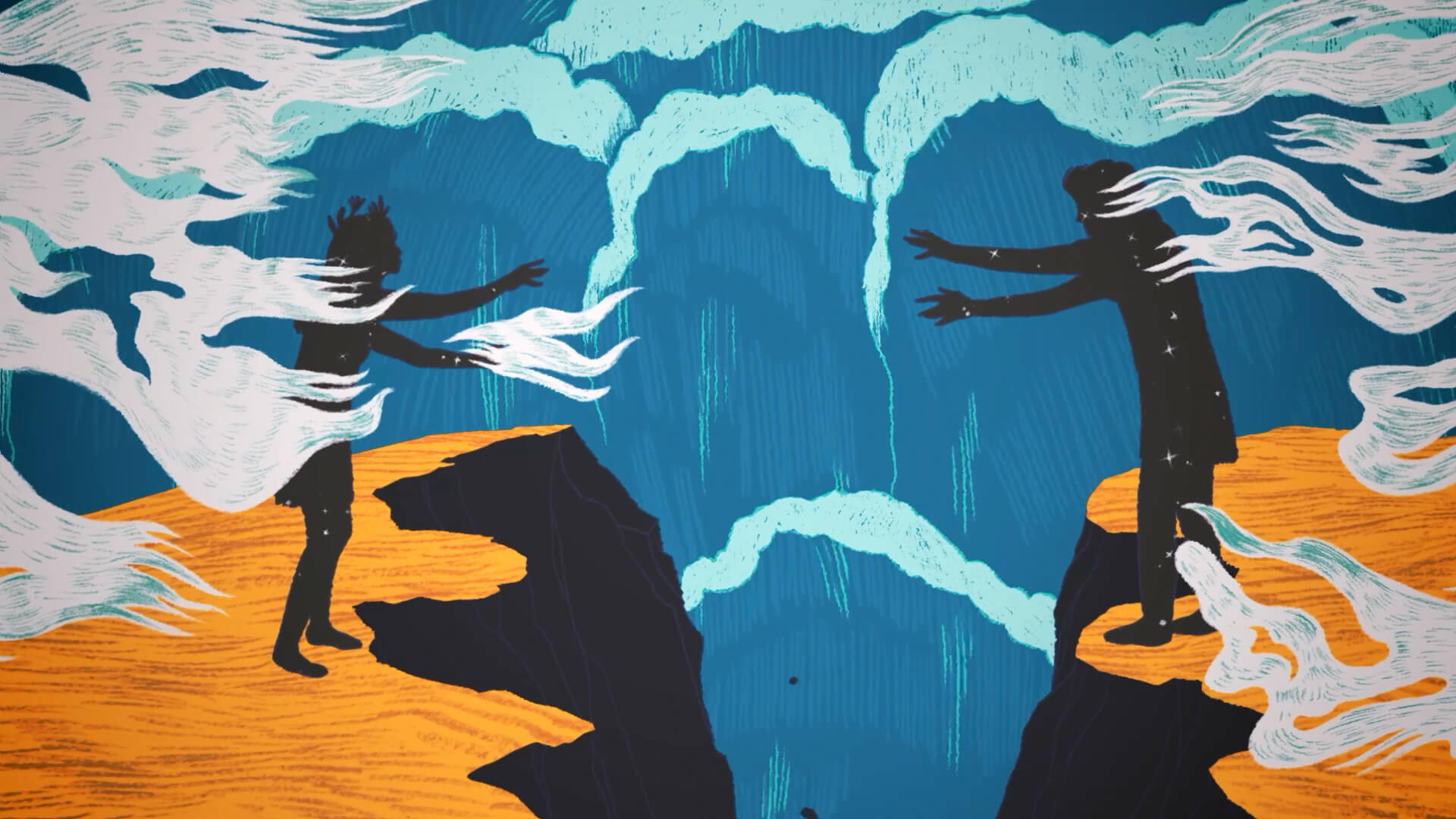
Paulina Miwa Mocna, an illustrator and painter born in Poland and resident of the Canary Islands, in her own highly personal style, illustrates the story of Gara and Jonay. It tells of two young people from different islands who fell in love at first sight, and whose love made the worst of fates inevitable.
Paulina’s work mixes digital illustration and acrylic painting and is inspired by the Canarian landscapes to reflect on the human condition and the bonds between living beings and inanimate matter.
THE DEMON OF ECHEYDE
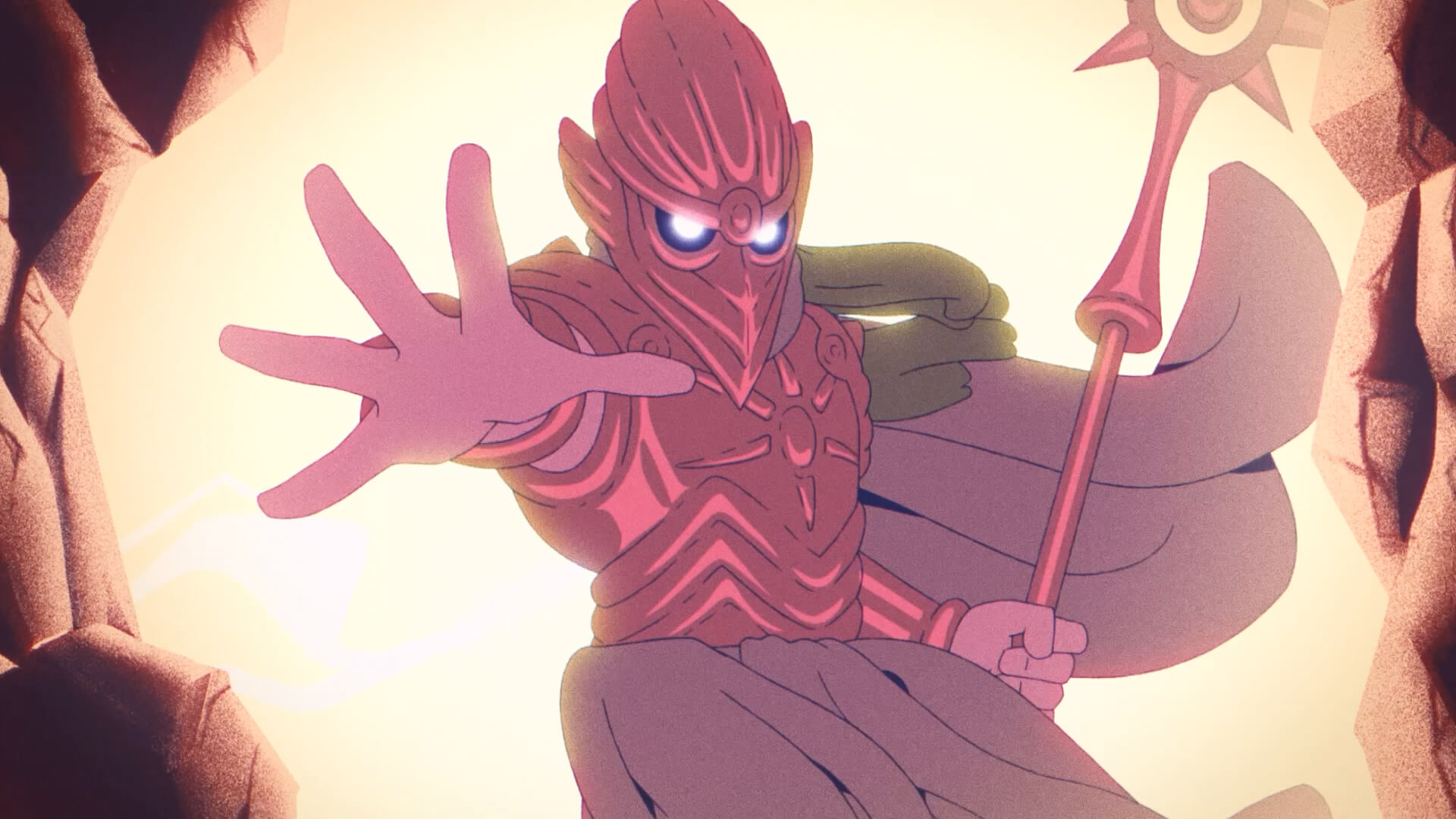
They say the demon Guayota trapped the sun inside a volcano. The Guanches asked for help from the only being capable of defeating the evil one: Achamán, the god of the skies and the earth, and they faced one another in the fiercest battle the world had ever seen.
Illustrator and animator Nicolás Marsá, from Madrid, reinterprets this ancient legend with a very personal, urban style, full of vibrant colours, giving the characters and scenes great dynamism and energy.
PRINCESS ICO
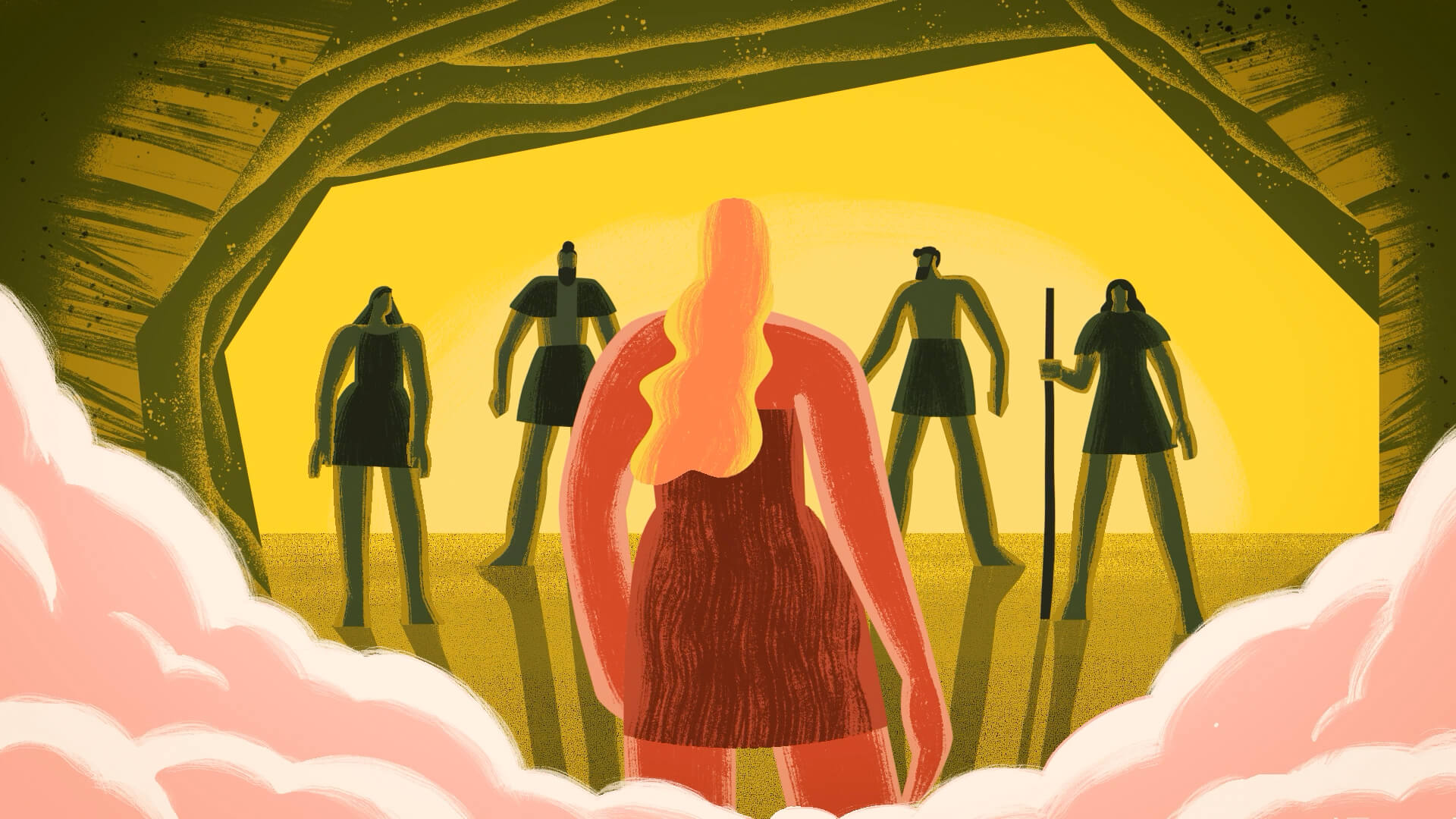
Canarian illustrator Carla Garrido is the artist tasked with portraying Princess Ico, who was sealed in a smoke-filled cave by her people as a test to prove her royal lineage.
Carla’s colourful and highly expressive style adds great depth and energy to the characters and spectacular landscapes of this legend.
ROBERTO’S WALL
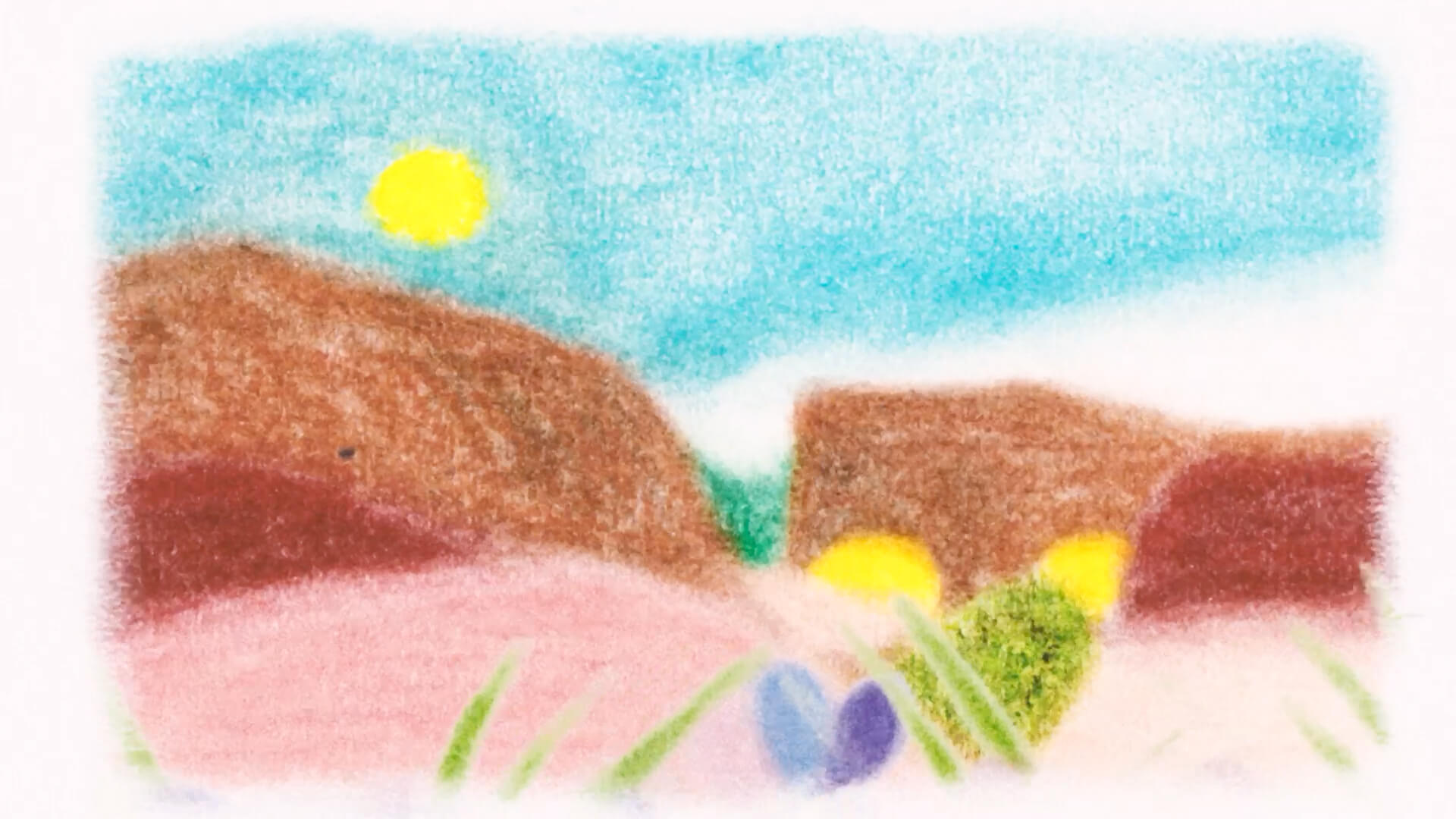
Using oil pastel, coloured pencils and gouache, Anglo-Irish illustrator Ciara Quilty-Harper lends imagery to this tragic love story in which the devil raises a stone wall to prevent the love of two young lovers.
Her style has a cinematographic air, with muted tones and soft details that seem to capture a suspended moment.
THE GIANT MAHAN
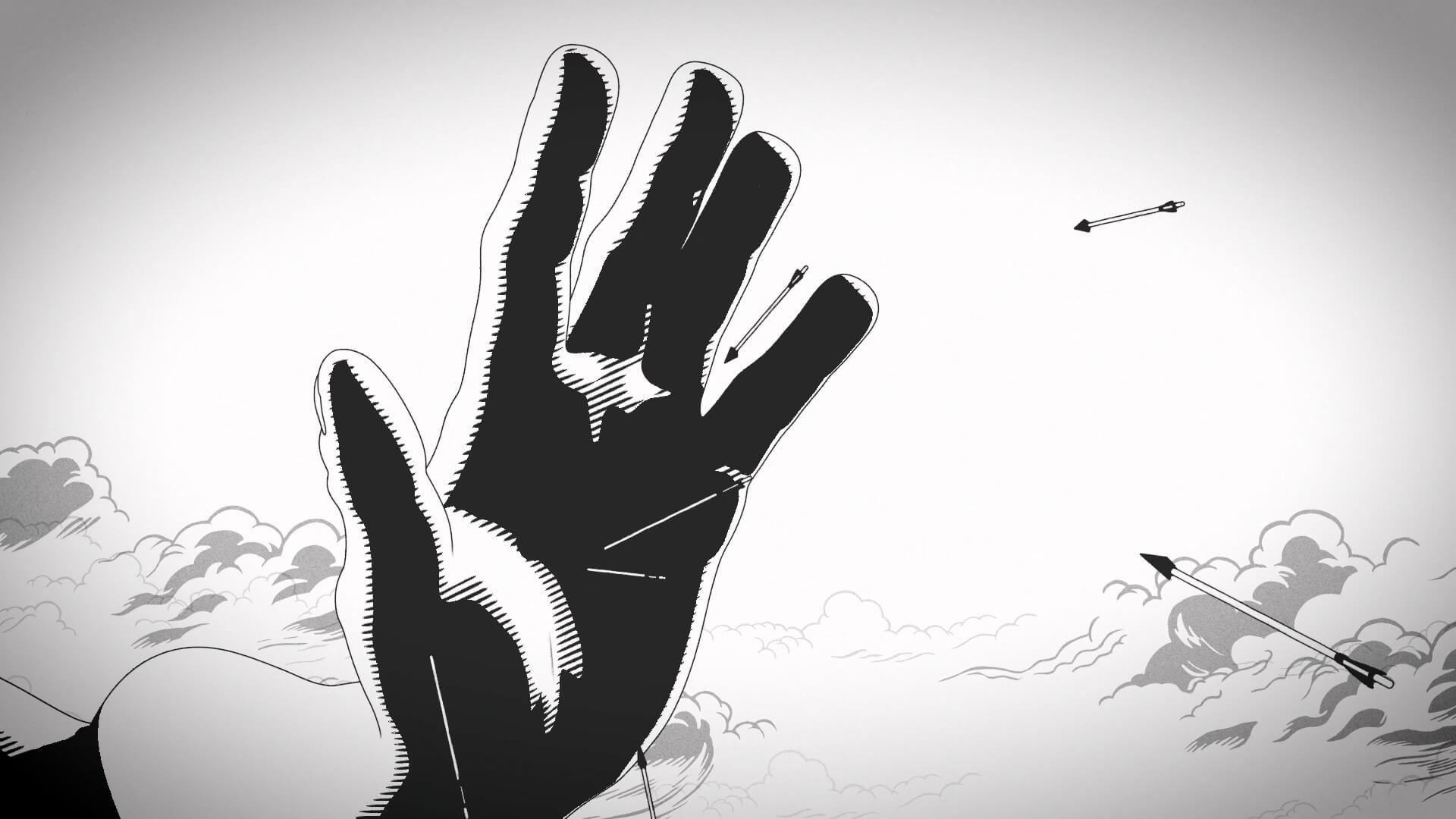
Tenerife-born Sara Herranz imagines, with her direct, fresh, and recognisable graphic style, the legend of this giant who scared away pirates and entire armies to protect his people and his island.
In Sara’s work, black and white are not merely an aesthetic choice, but a way of narrating with silence and contrast.
THE GAROÉ TREE
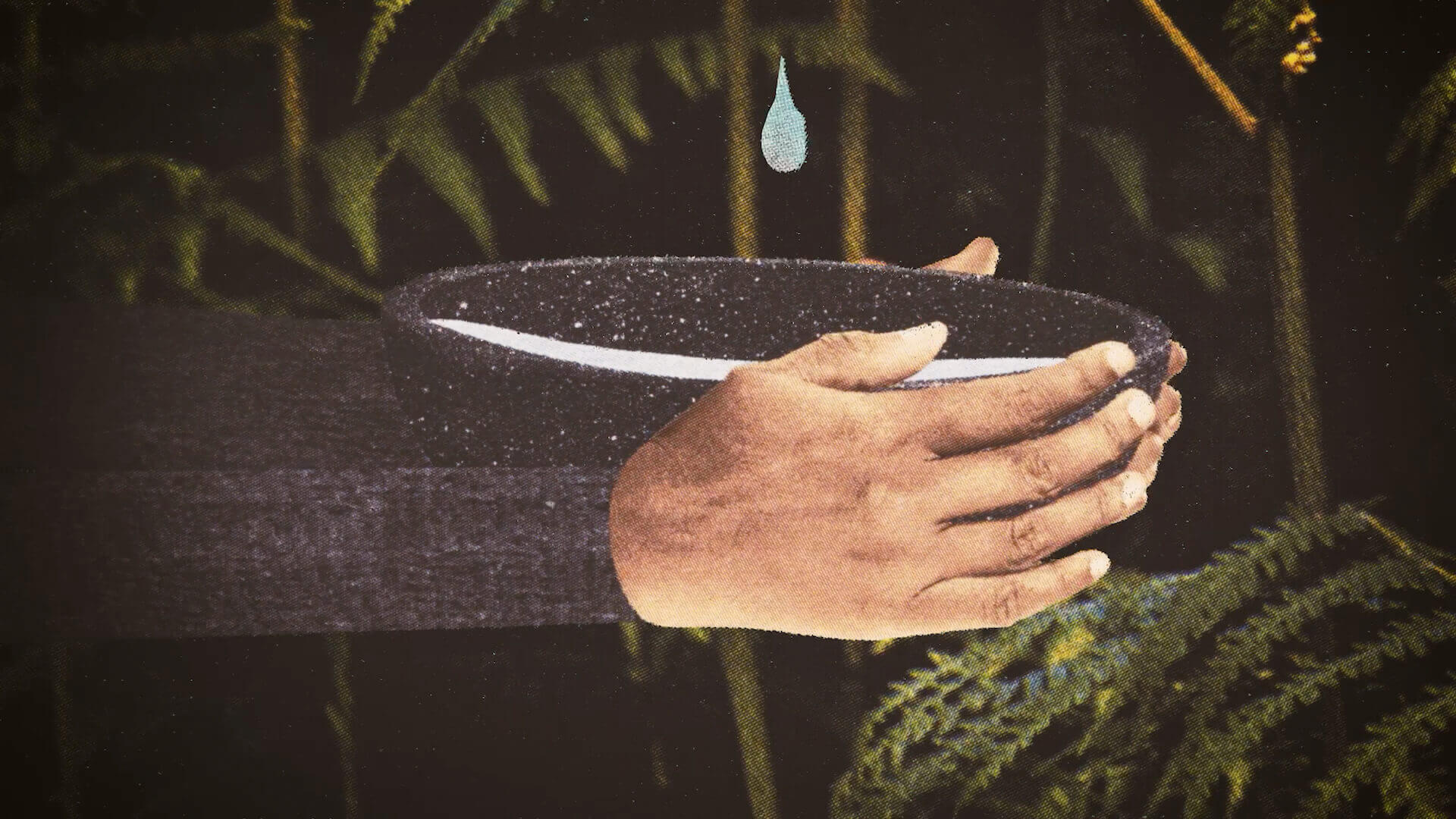
The Barcelona-based studio Dedo Ciego, founded by Joaquín Urbina and Ana Gale, combines different mixed techniques (collage, stop motion, etc.) to tell the story of this mystical tree, capable of turning fog into water and thus supplying the indigenous people who lived on its island.
How do you draw a legend?
Developing these seven animated episodes required many months of work and, above all, the collaboration and effort of many people: experts in Canary Islands indigenous culture, illustrators, animators, creatives… even a musician specialising in the pito herreño (a Canarian whistle from El Hierro).
In short, it required an exhaustive study of the islands’ cultural identity and nature in order to represent these legends, as well as the flora, fauna and indigenous culture that appear in them, as faithfully as possible.
Here we show you part of the process, from the initial sketches and character design to the digital animation techniques used to maintain the artisanal texture of the original illustrations.