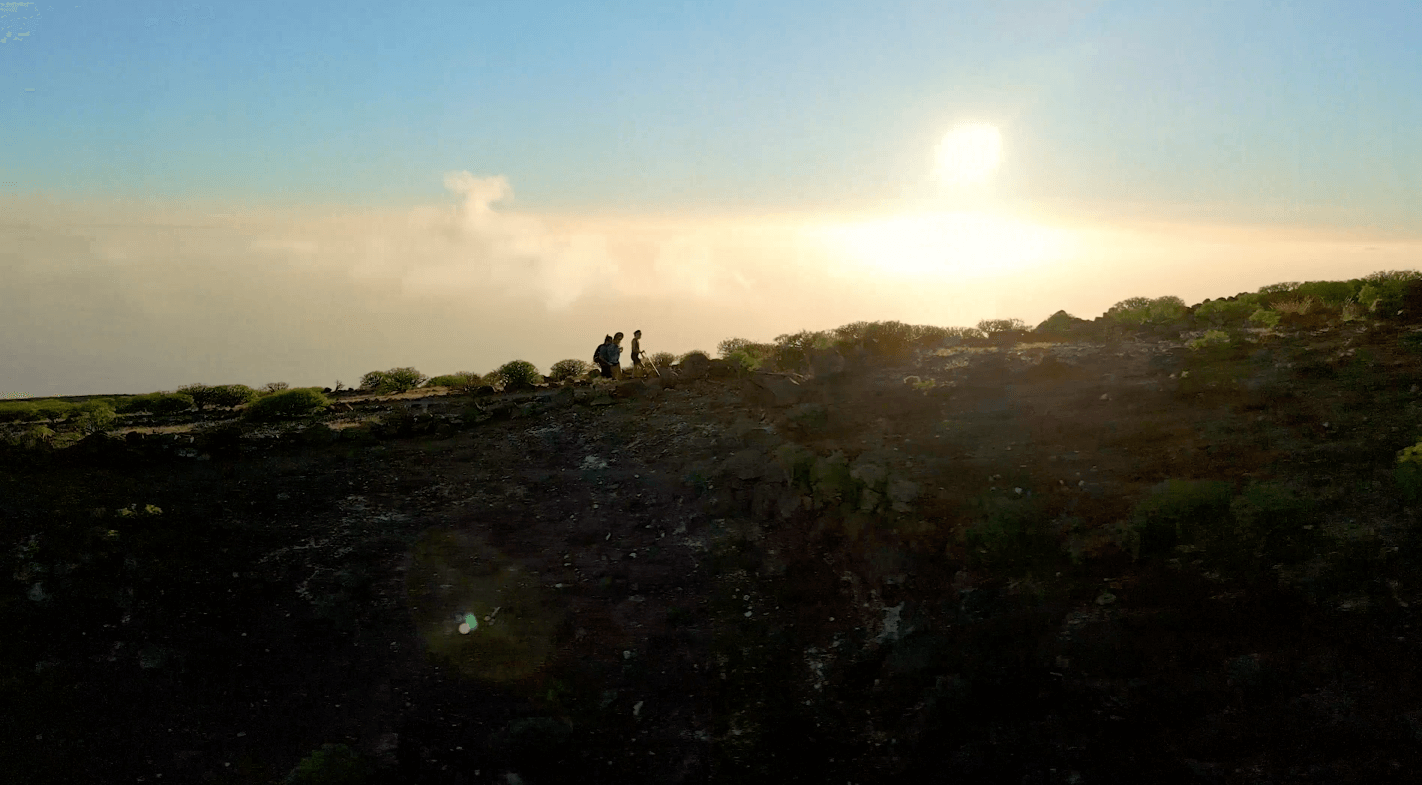


One of the greatest treasures of the Canary Islands is the wild and diverse nature they contain. Volcanoes, ancient forests, deep ravines, imposing cliffs, idyllic beaches, a teeming ocean and clear skies form an exceptional ecosystem that is home to unique flora and fauna. This rich biodiversity, with its many endemic species, and the sheer beauty of its landscapes, make the Canary Islands one of the planet’s most precious natural spaces.

Nature that awakens the senses
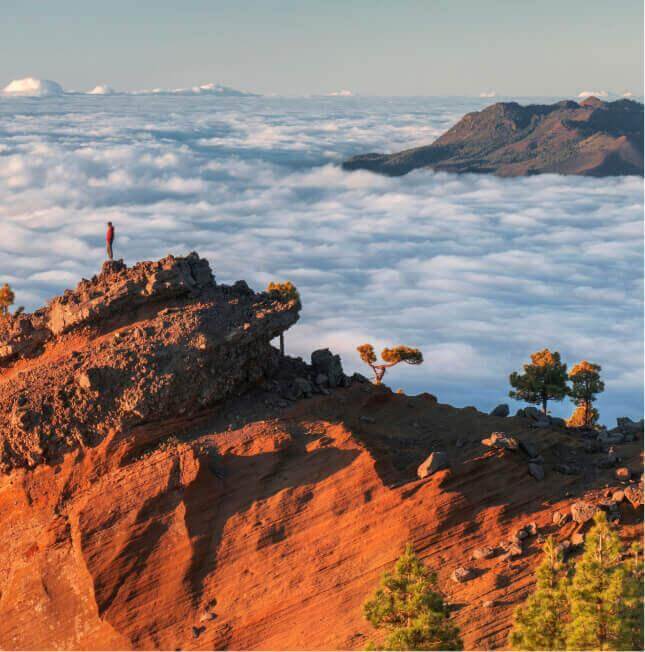
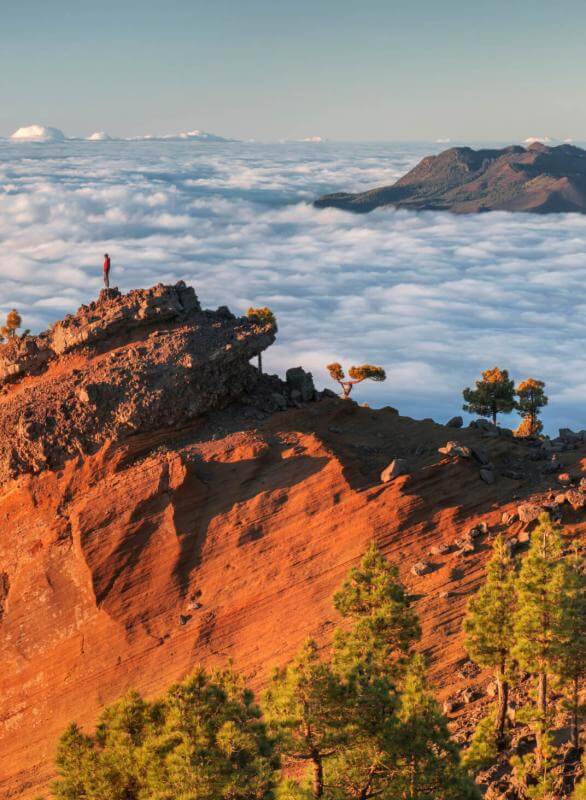
Travelling through the Canary Islands means feeling a connection with a vibrant natural world. Those exploring the landscapes of the archipelago’s eight islands are accompanied by sensations like the cool air of the ancient laurissilva forests, the constant caress of the trade winds, and the dazzling light of over 3,000 hours of sunshine a year. Here, you can live out unforgettable experiences: venturing into otherworldly scenery, witnessing the awe-inspiring presence of volcanoes and seas of lava, or rising above a sea of clouds. These are experiences that only truly make sense when enjoyed first-hand.
Islands of contrasts
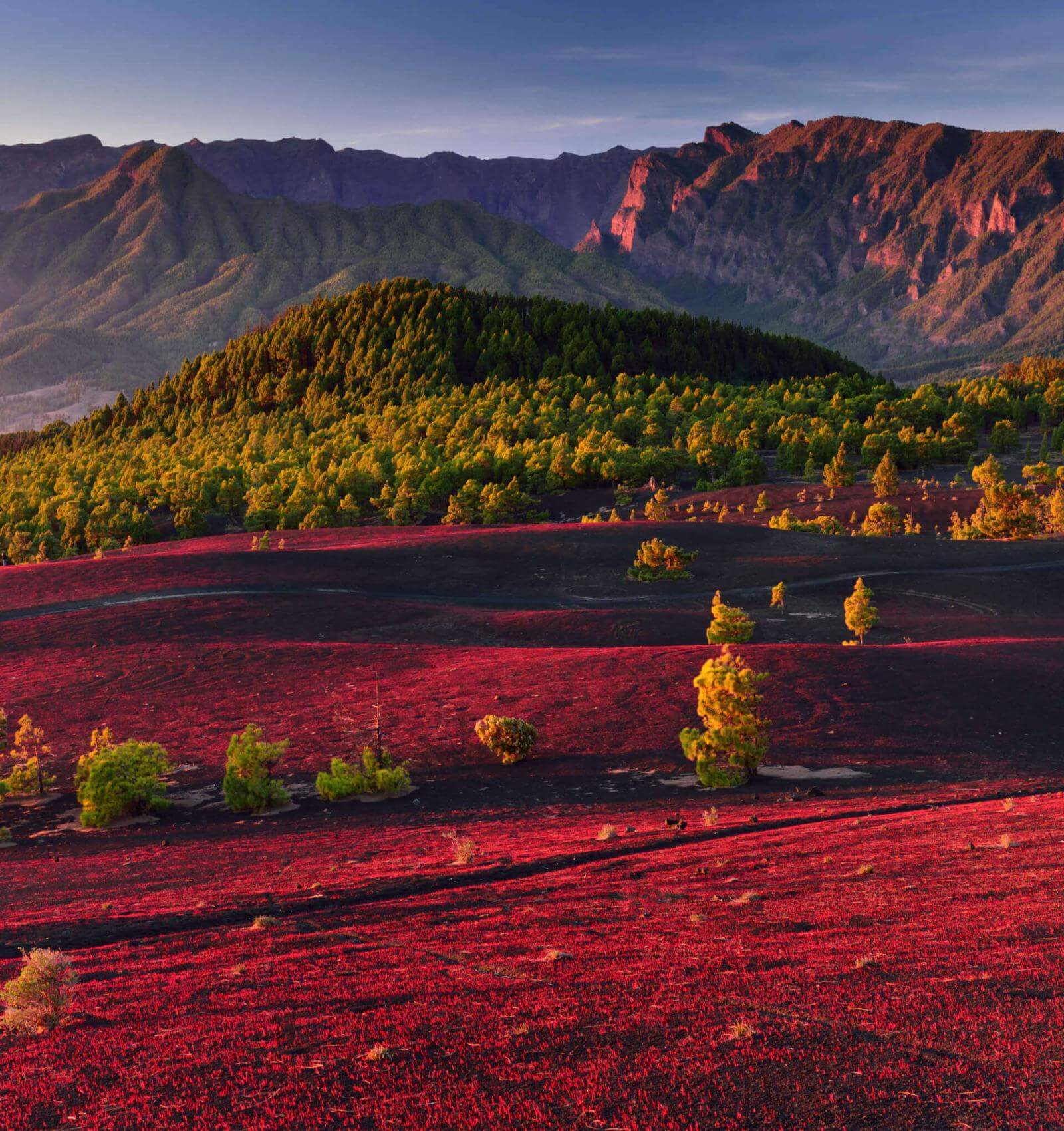
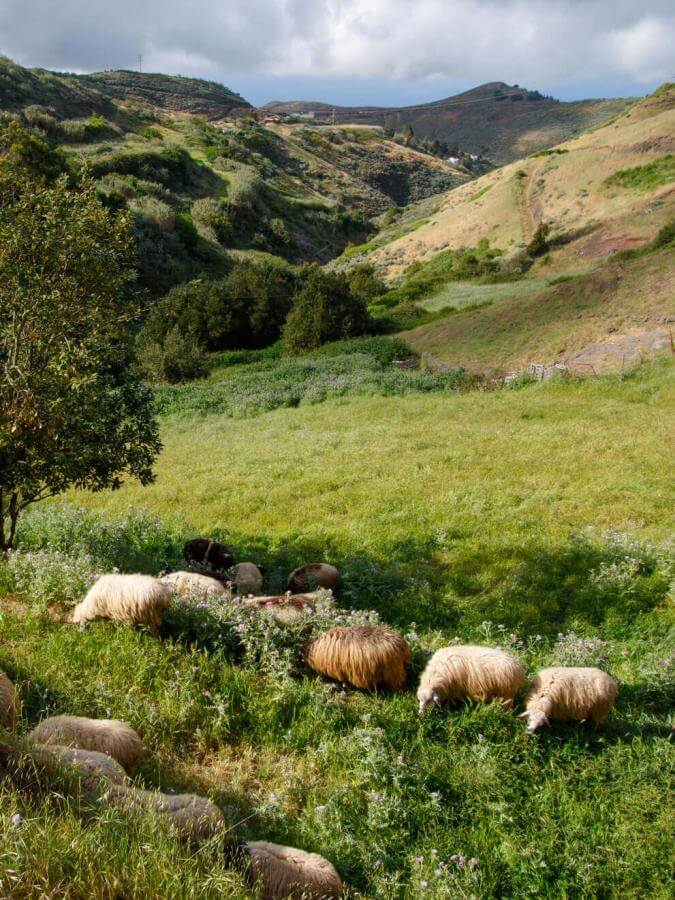
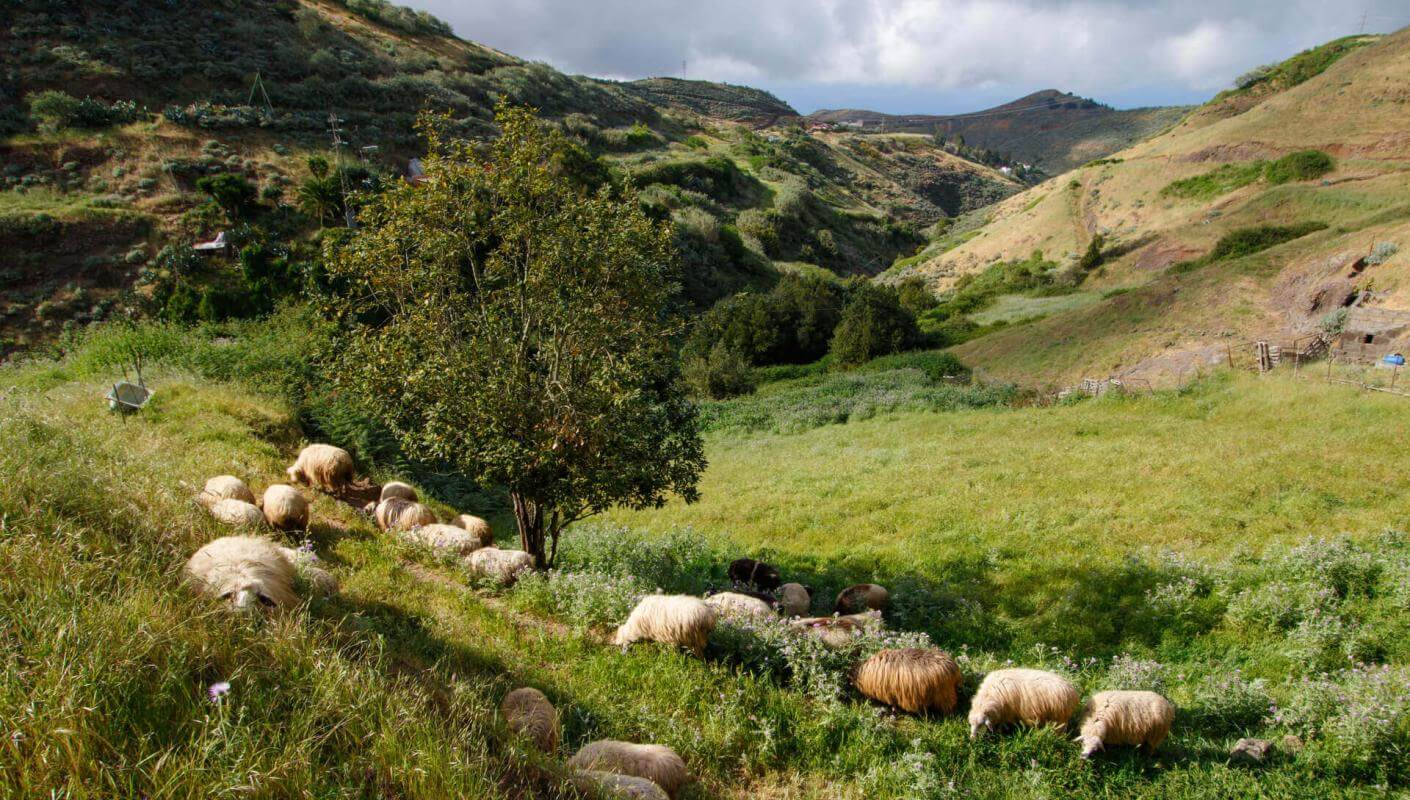
The archipelago’s volcanic origin gives it a unique character, defined by dramatic contrasts visible on each island and indeed between them. They range from the sparse, flat volcanic plains and lava flows of the eastern islands to the lush, intensely green forests of the western and central ones. In the latter, high peaks that beget deep ravines give way, within just a few kilometres, to immense dune fields, impressive cliffs, and beaches with sands of every conceivable colour.
Volcanic landscapes
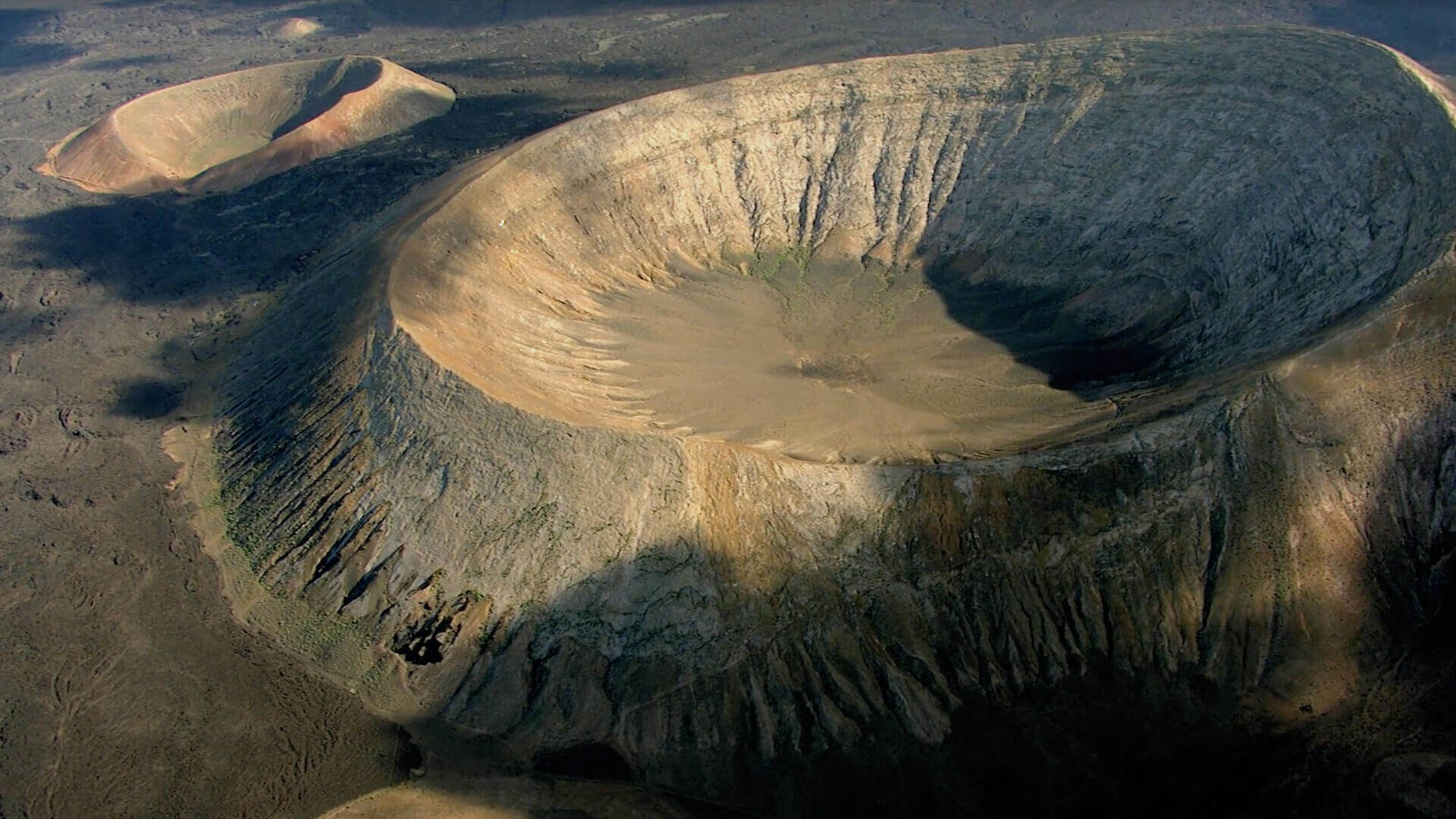
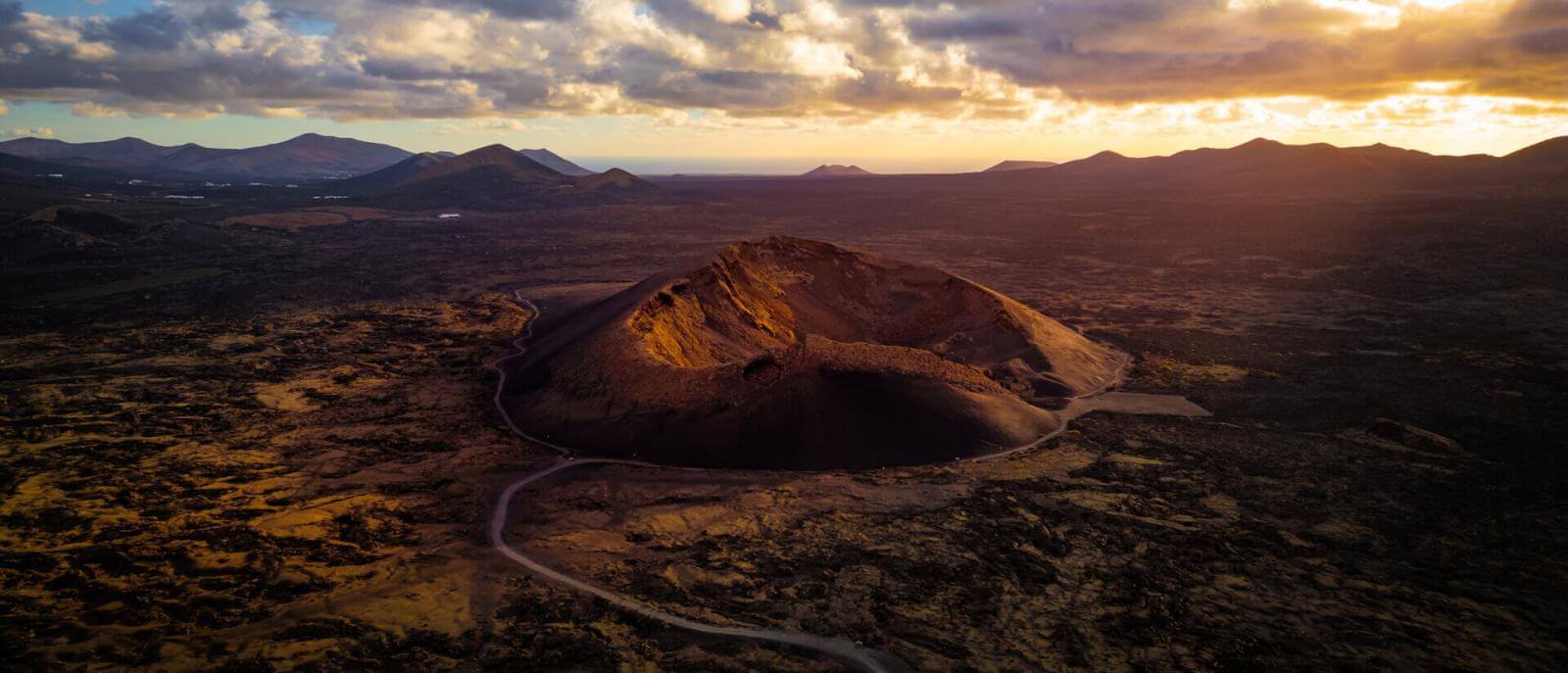
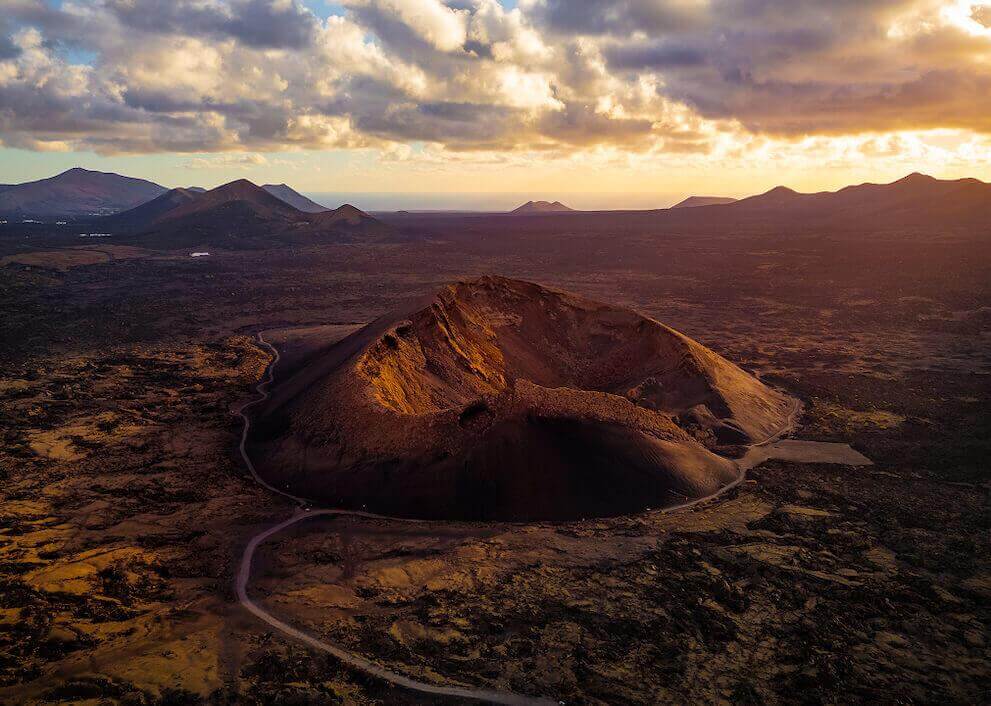
The Canary Islands are a world-renowned location for studying the life cycle of volcanoes - a veritable natural laboratory. Craters, cones, lava flows, calderas, rock spires and seas of volcanic stone create astonishing landscapes. Standing out from among them is Timanfaya National Park in Lanzarote, a clear testament to nature’s raw power. This vast expanse, shaped by relatively recent eruptions, is a spectacular landscape of lava fields and volcanoes, dominated by a deep silence and a palette of colours ranging from deep reds to browns, ochres and blacks.
Las Cañadas, in Teide National Park, Tenerife, forms an immense volcanic amphitheatre several kilometres in diameter, surrounded by rock formations resembling natural sculptures and crowned by Spain’s highest peak. At dawn and dusk, Mount Teide casts its own shadow across the Atlantic - the largest such shadow on earth projected onto the sea - creating a truly unique spectacle.
Prehistoric forests and the sea of clouds
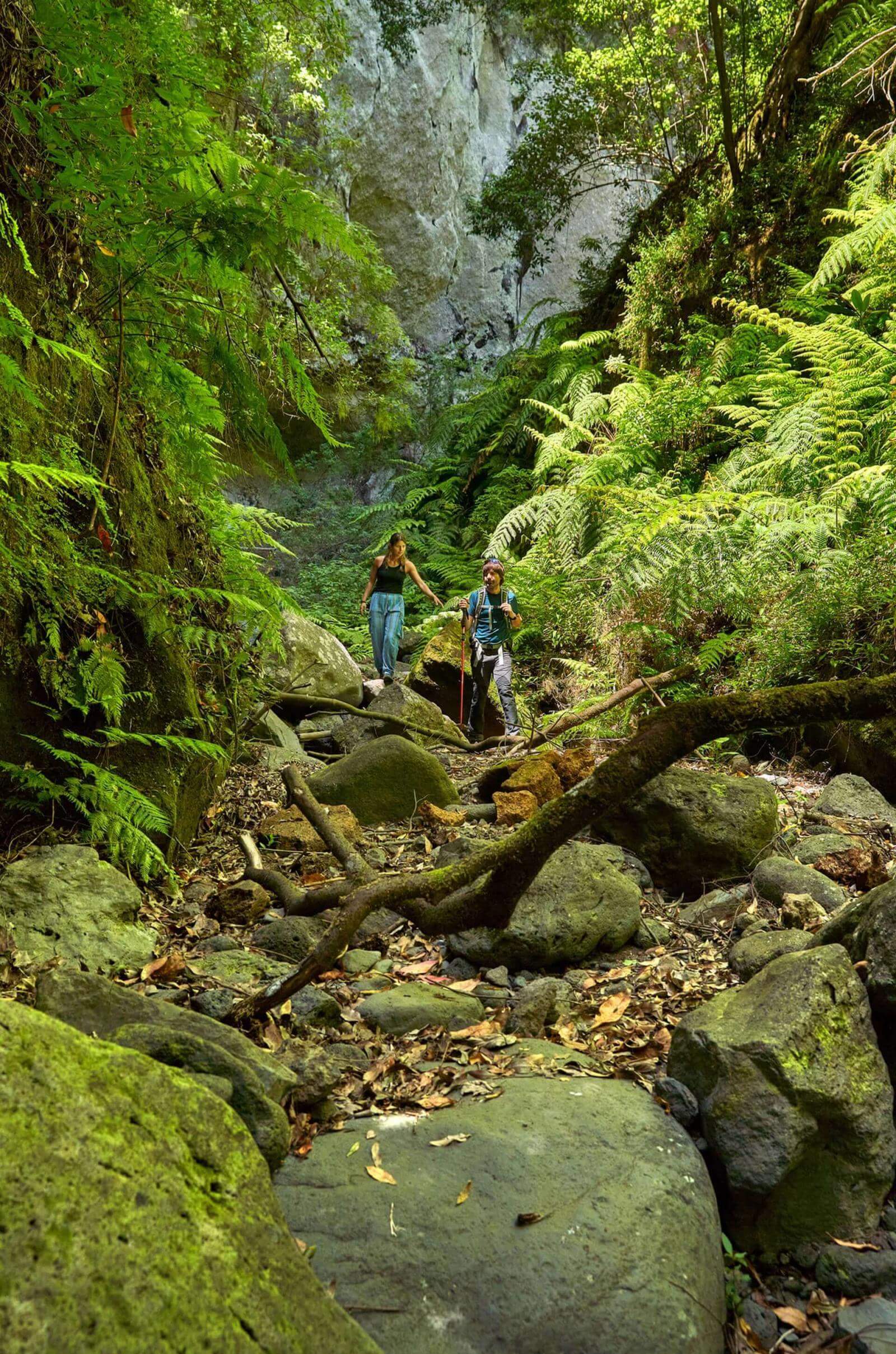
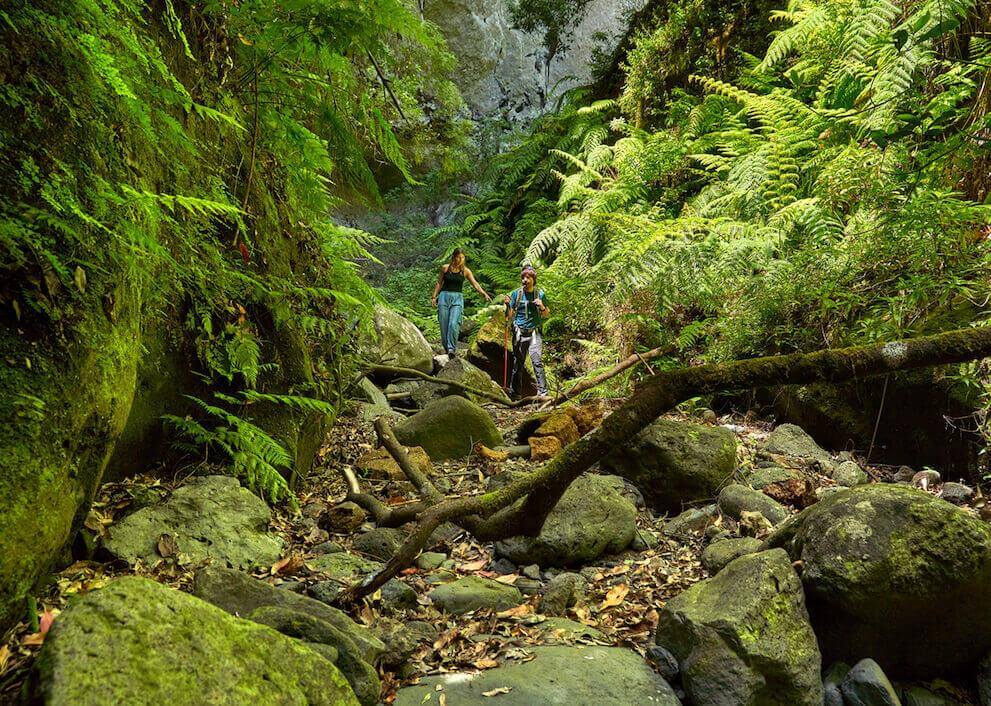
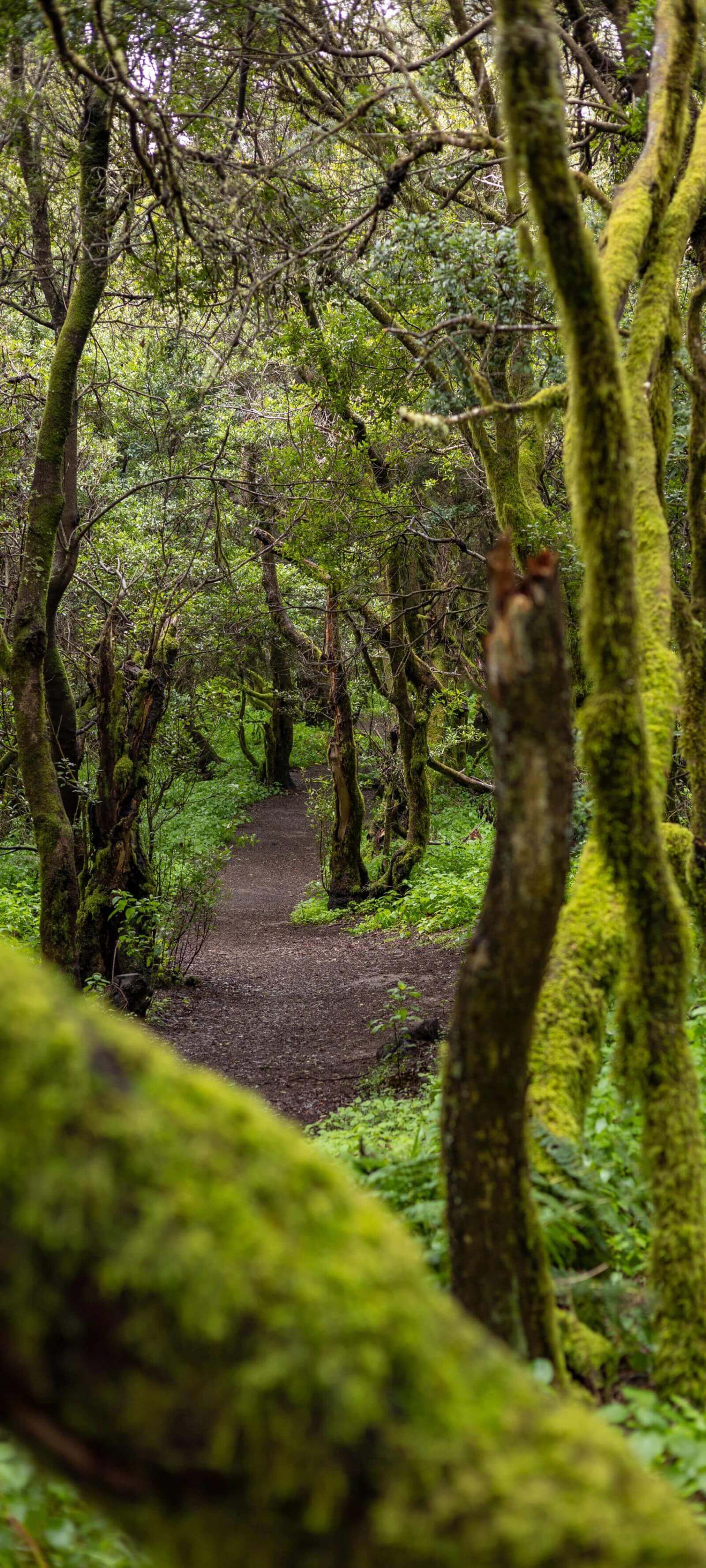
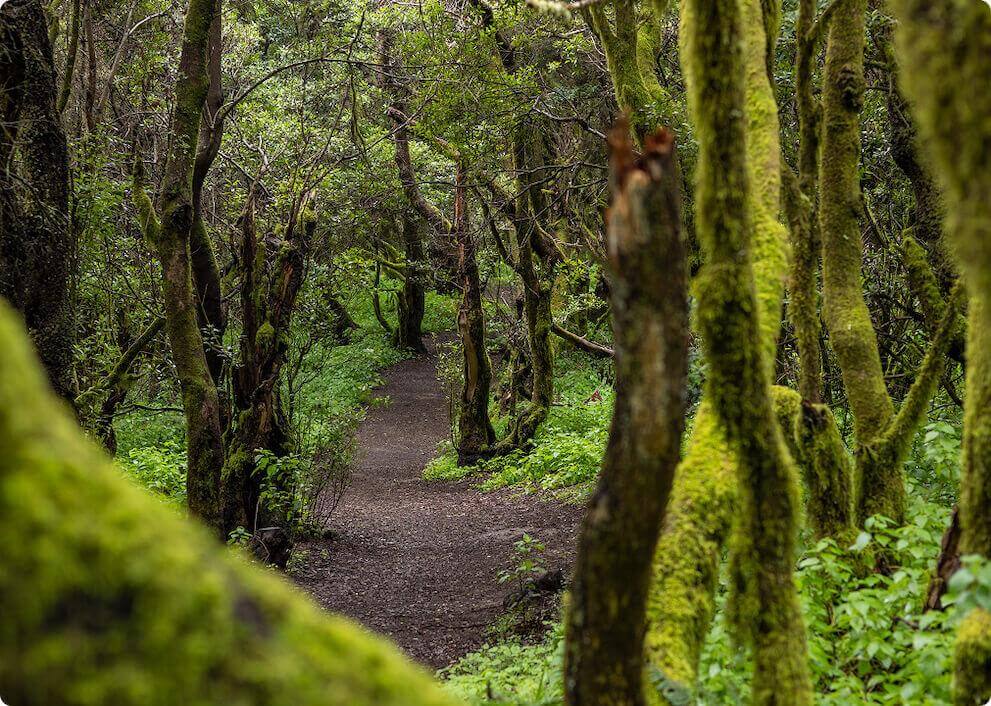
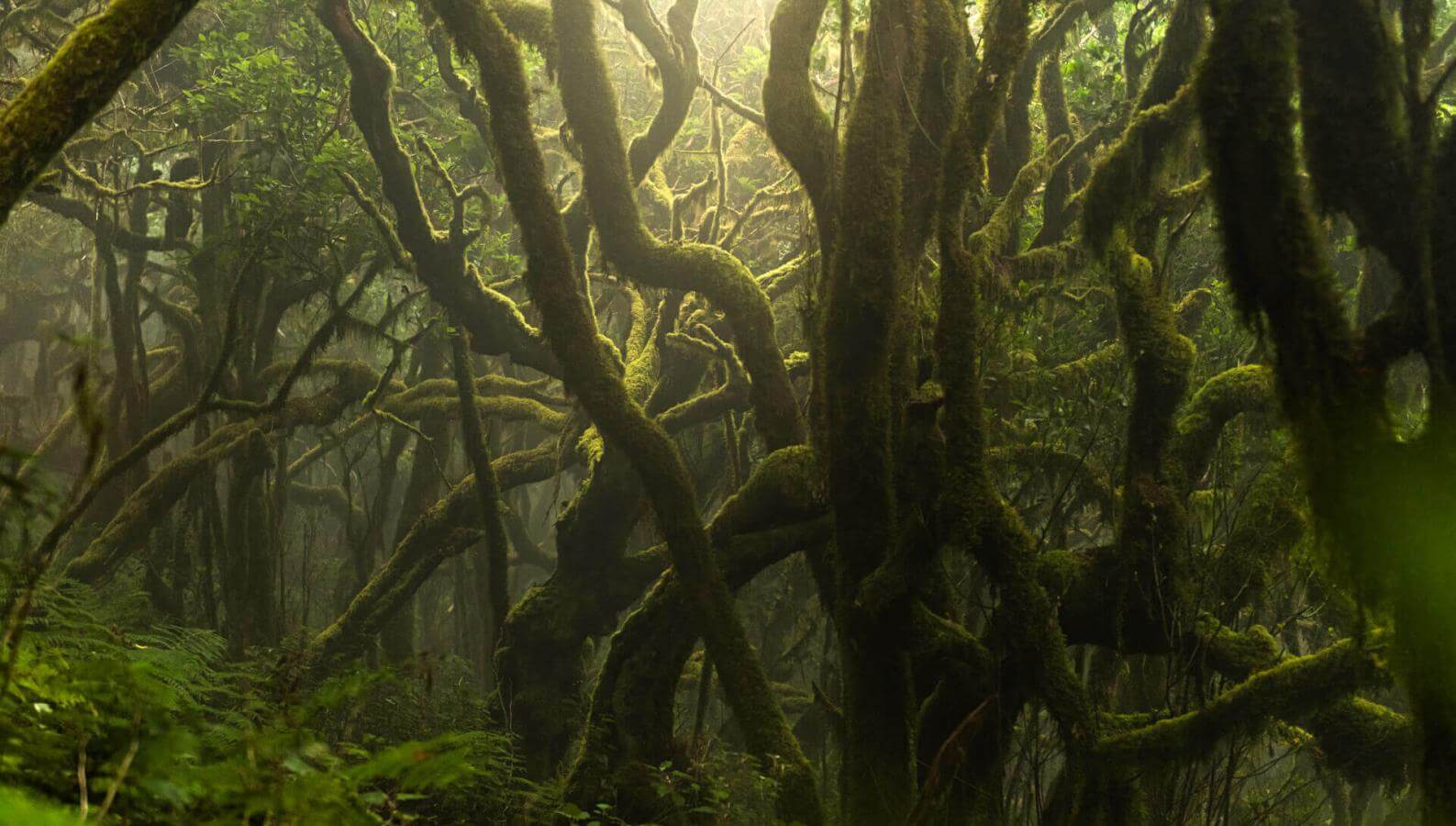
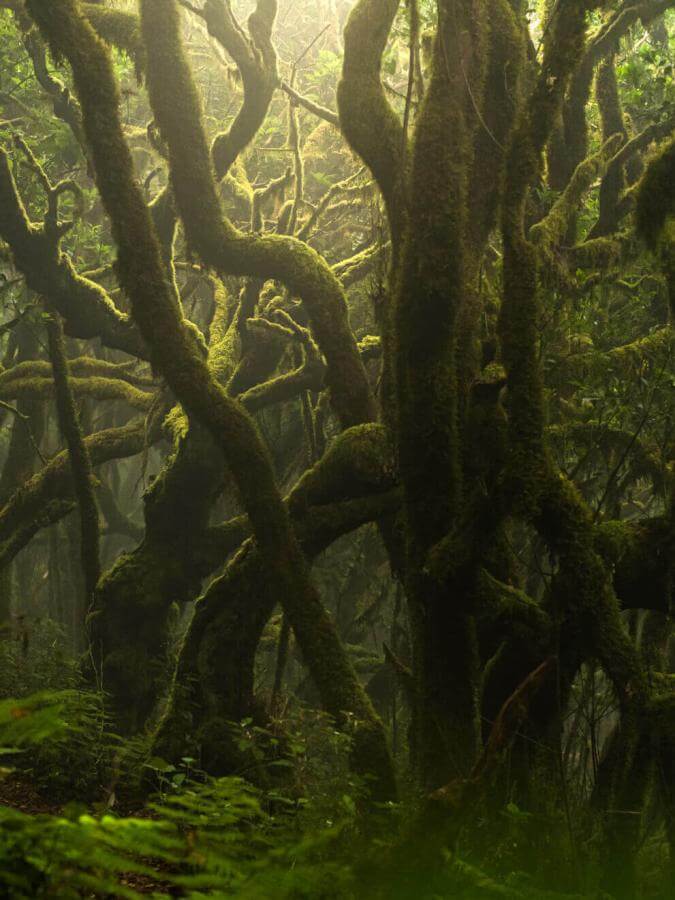
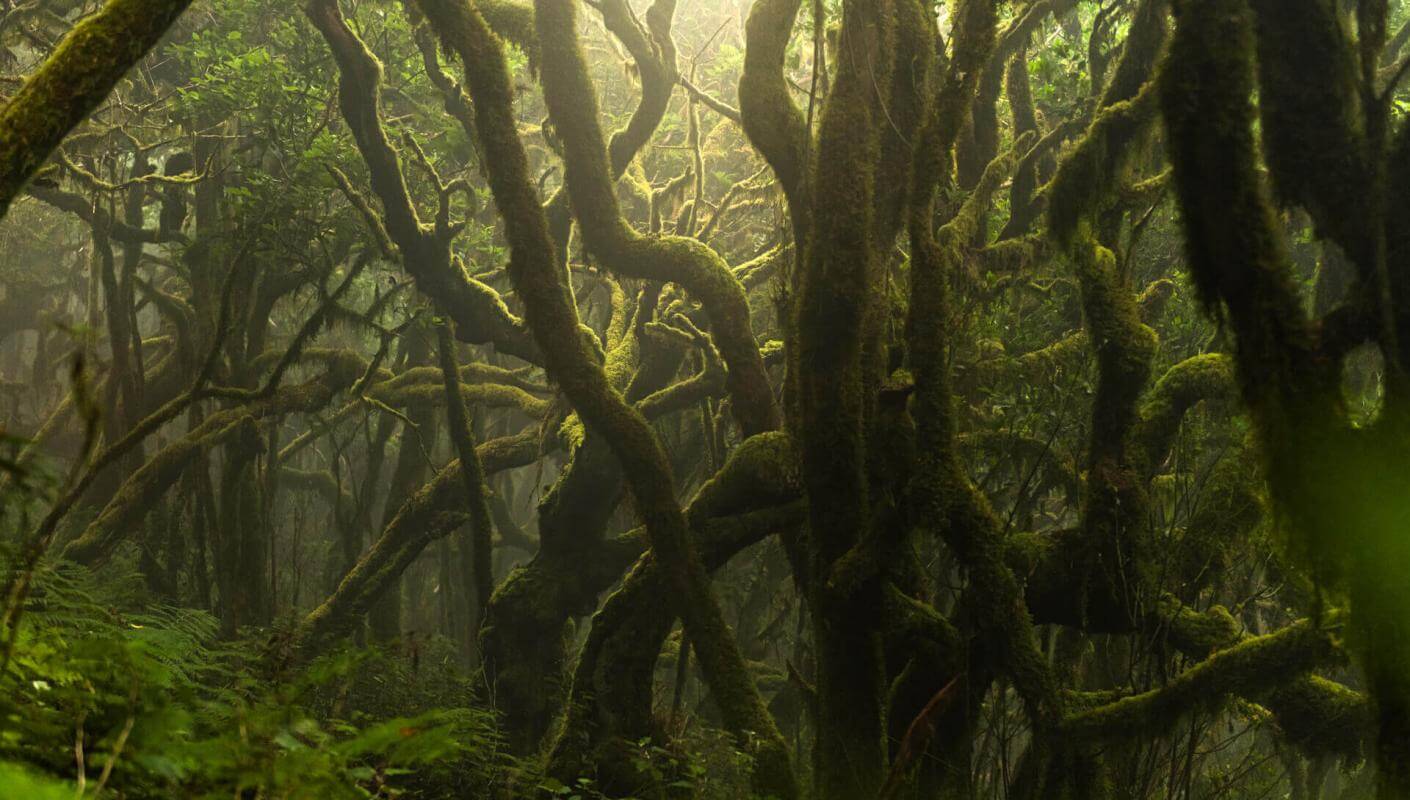
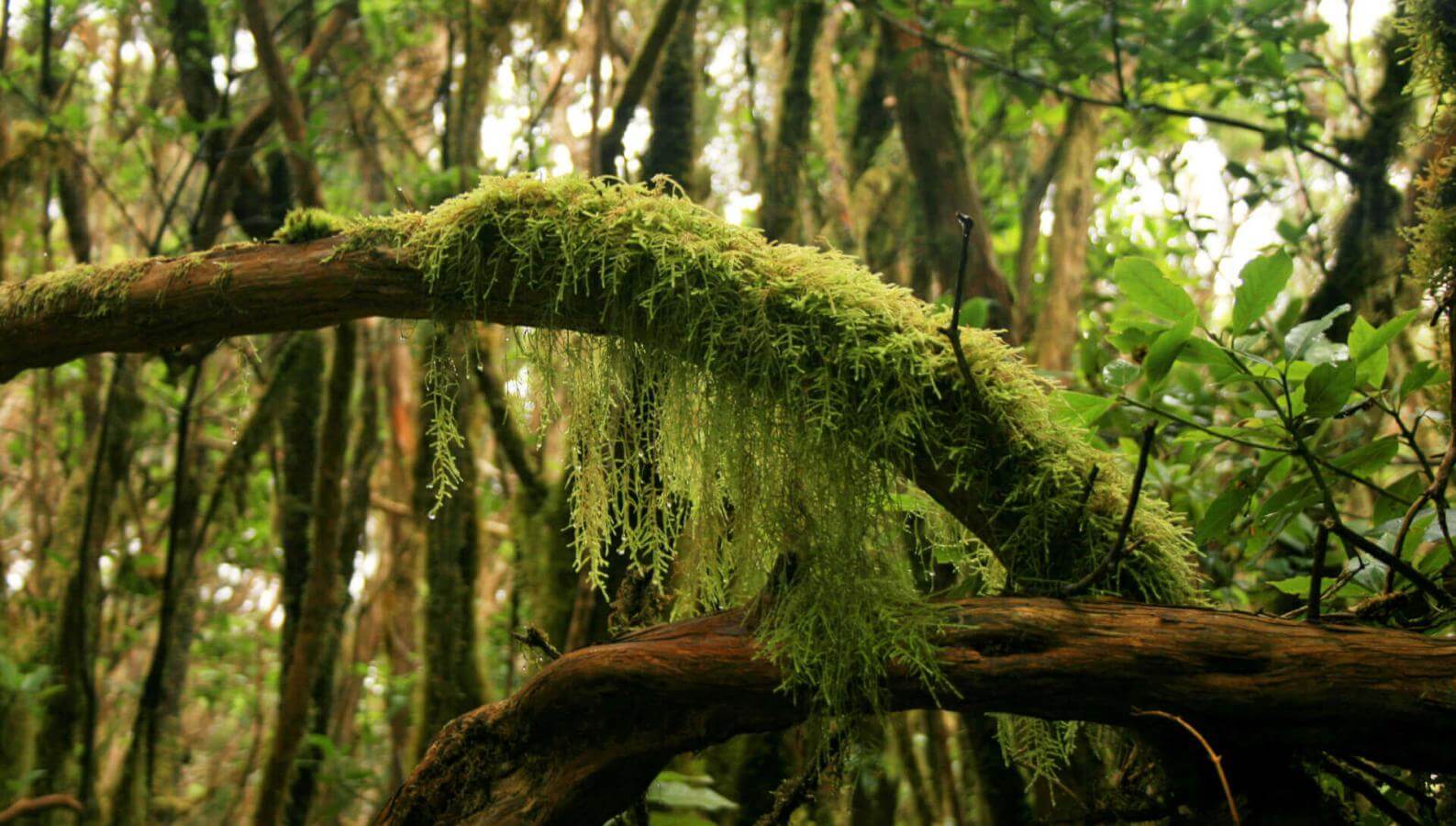
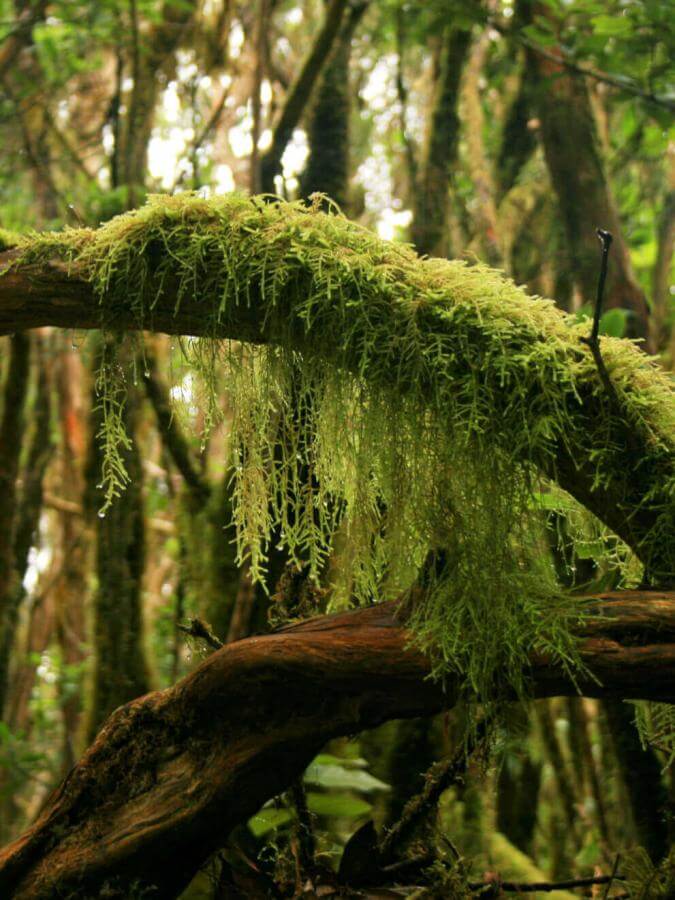
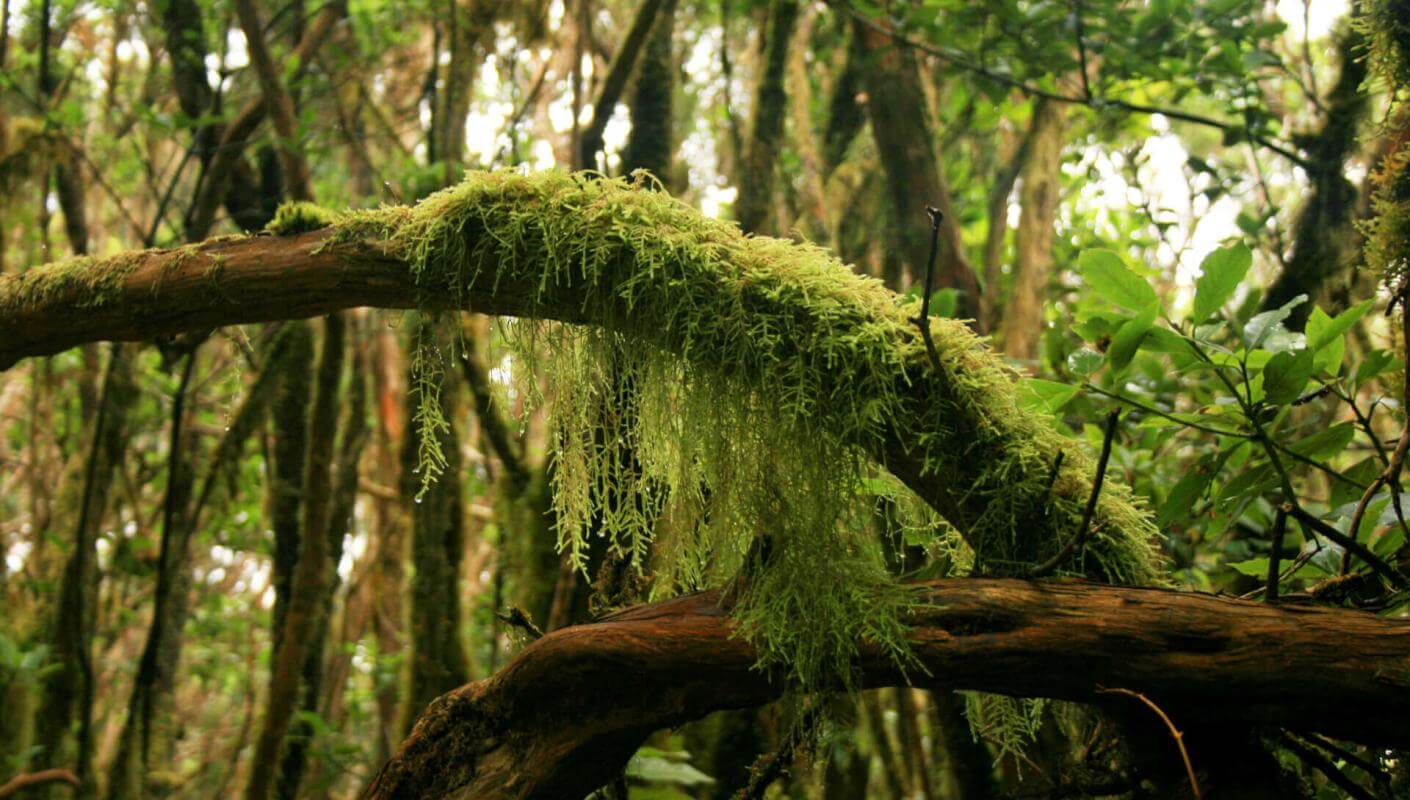
The Atlantic laurissilva forests, such as those in Garajonay National Park on La Gomera, Los Tilos on La Palma or Anaga on Tenerife, are genuine living fossils. They are a remnant of the subtropical forests that covered much of Europe and North Africa millions of years ago. These ecosystems, authentic jewels of the archipelago's natural heritage which found a refuge here, harbour unique diversity, with species found only in these forests.
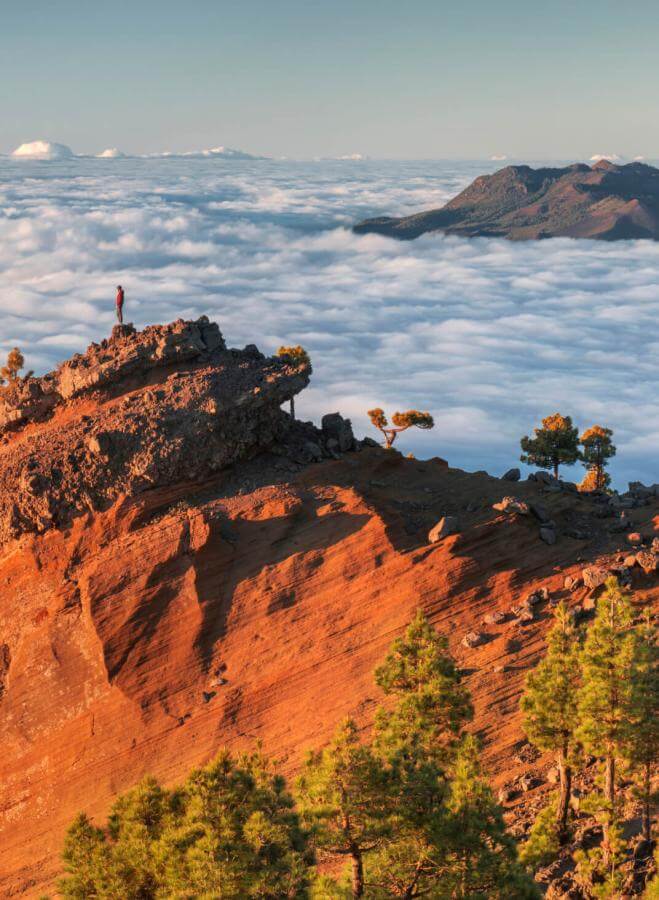
This lush vegetation thrives on the highest islands, on north-facing slopes where the moisture-laden trade winds settle as a blanket of mist, forming the so-called sea of clouds. This phenomenon provides continuous moisture through what is known as “horizontal rain”, essential for the preservation of the laurissilva forest and the species that depend on it.
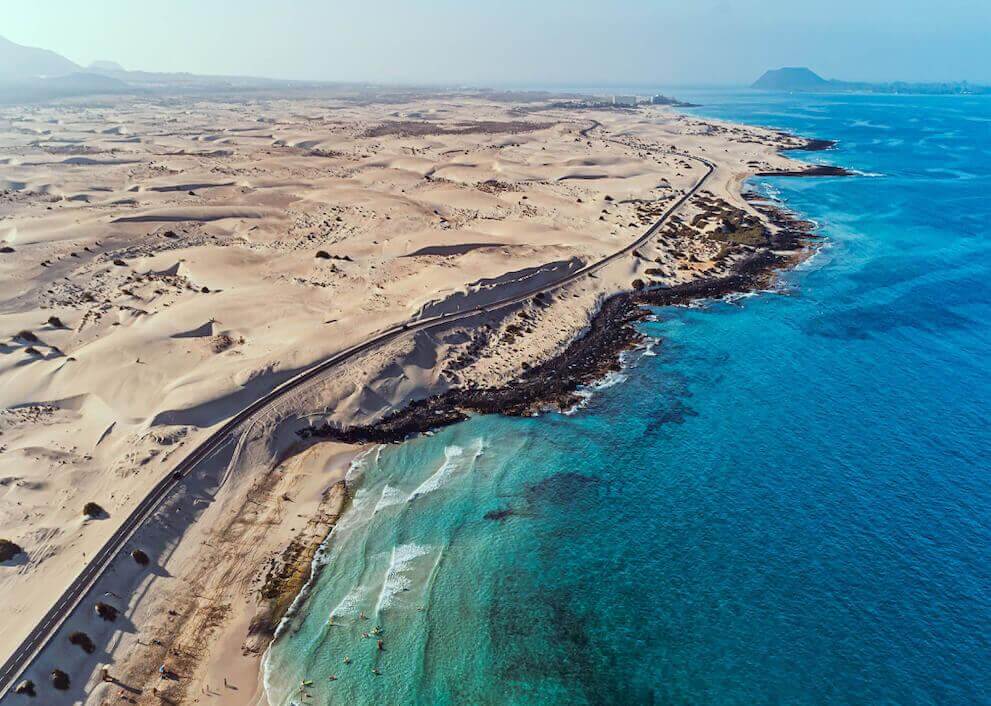
Beaches, natural pools and dune fields
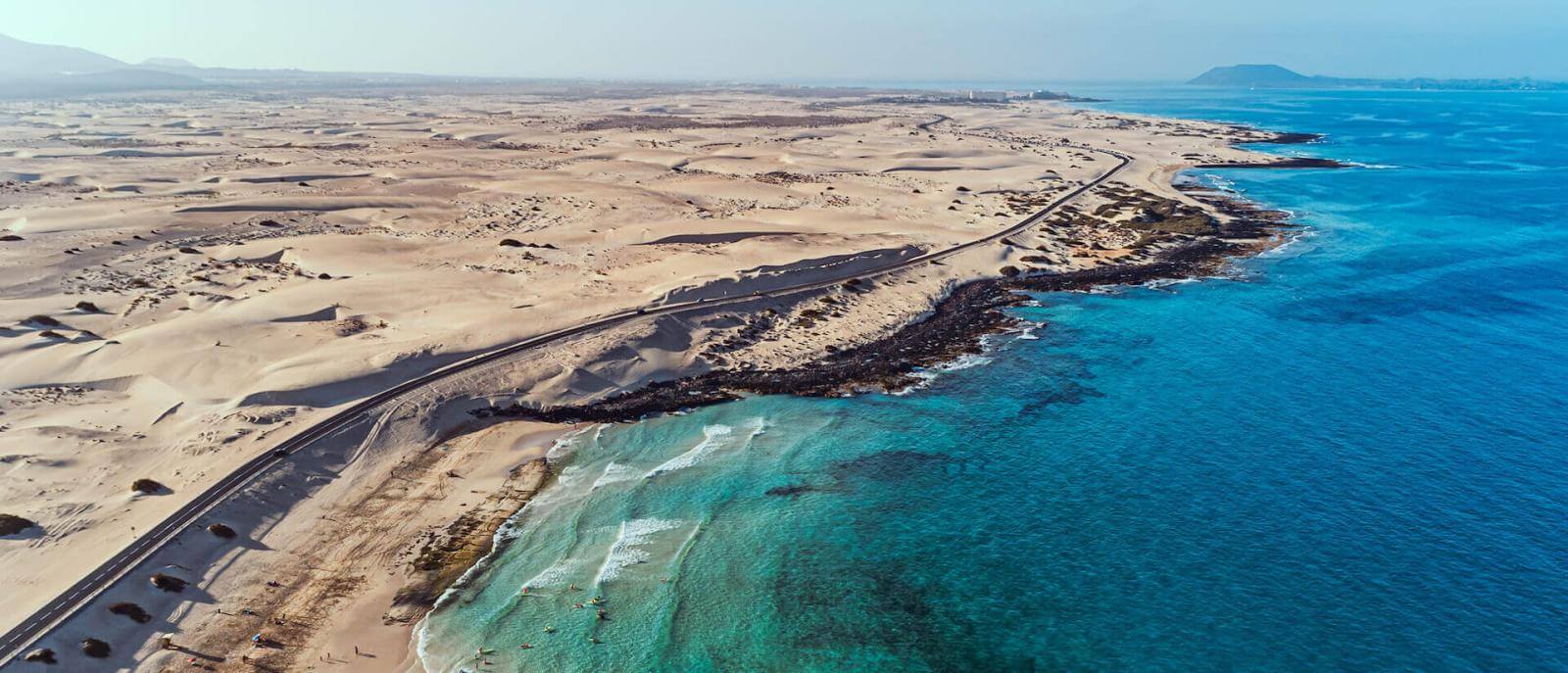
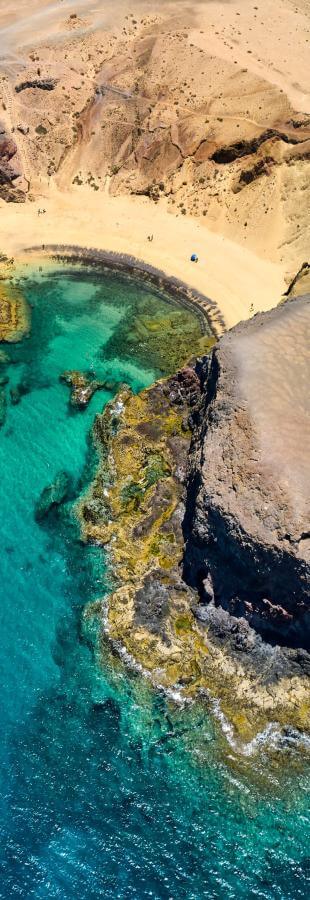
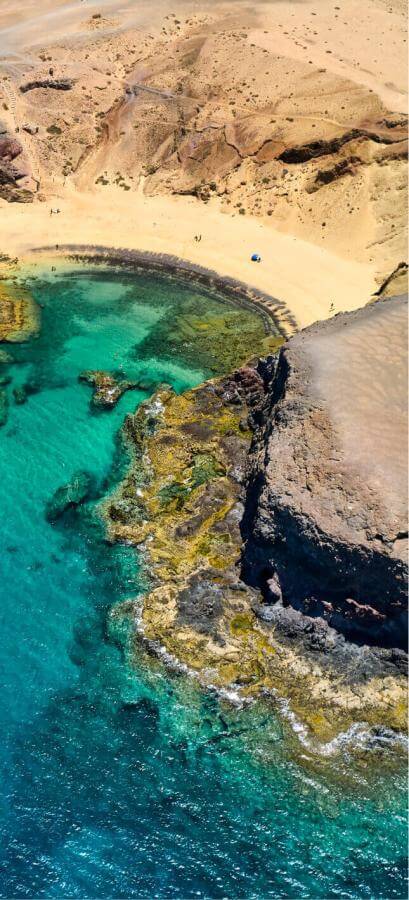
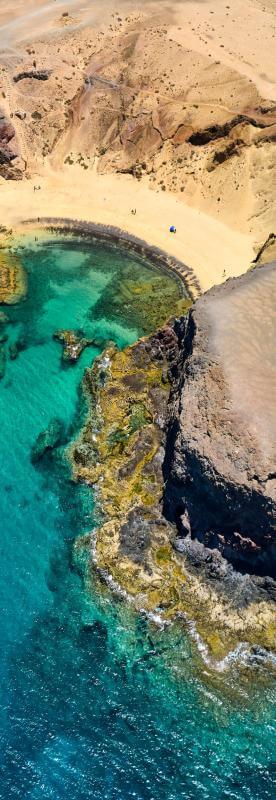
With 1,583 kilometres of coastline, the Canary Islands offer a diverse shore where tranquil swimming spots, vast beaches and landscapes sculpted by the force of the Atlantic coexist. The archipelago’s beach sands vary by island and region: from white and golden to the darker tones, and even distinctive reds, of volcanic origin. For those seeking wilder settings, Cofete beach on Fuerteventura stands out for its immense length, isolation and imposing presence against the open ocean. Or, discover dune fields like Corralejo, on the same island, where a shifting sand dune system meets the sea in a fascinating landscape.
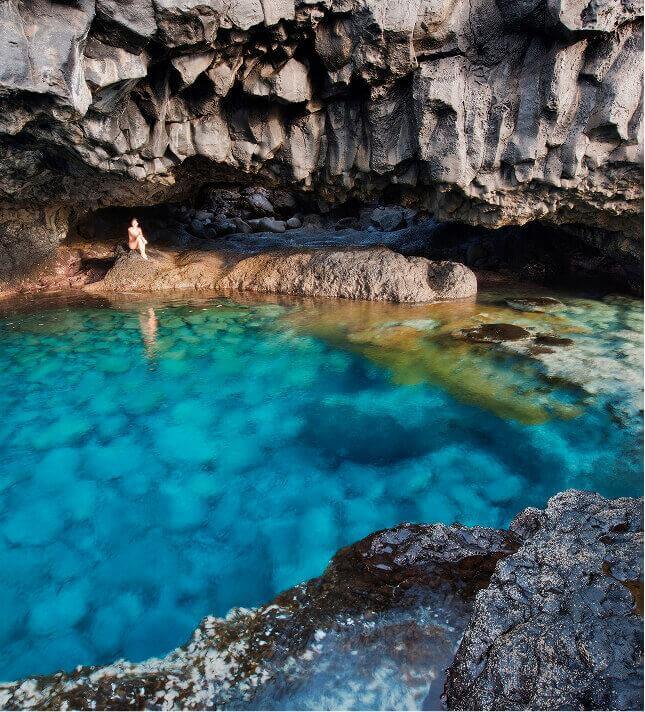
Beyond the beaches, the Canary Islands boast superb natural swimming pools, formed when flowing lava reached the ocean and solidified, creating sheltered areas protected from the waves.
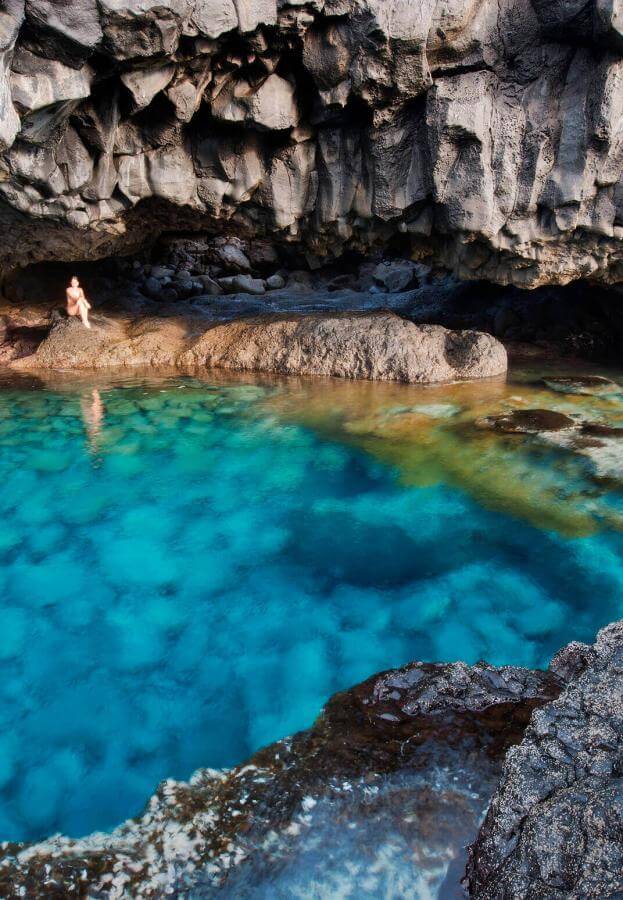

Under the starlight
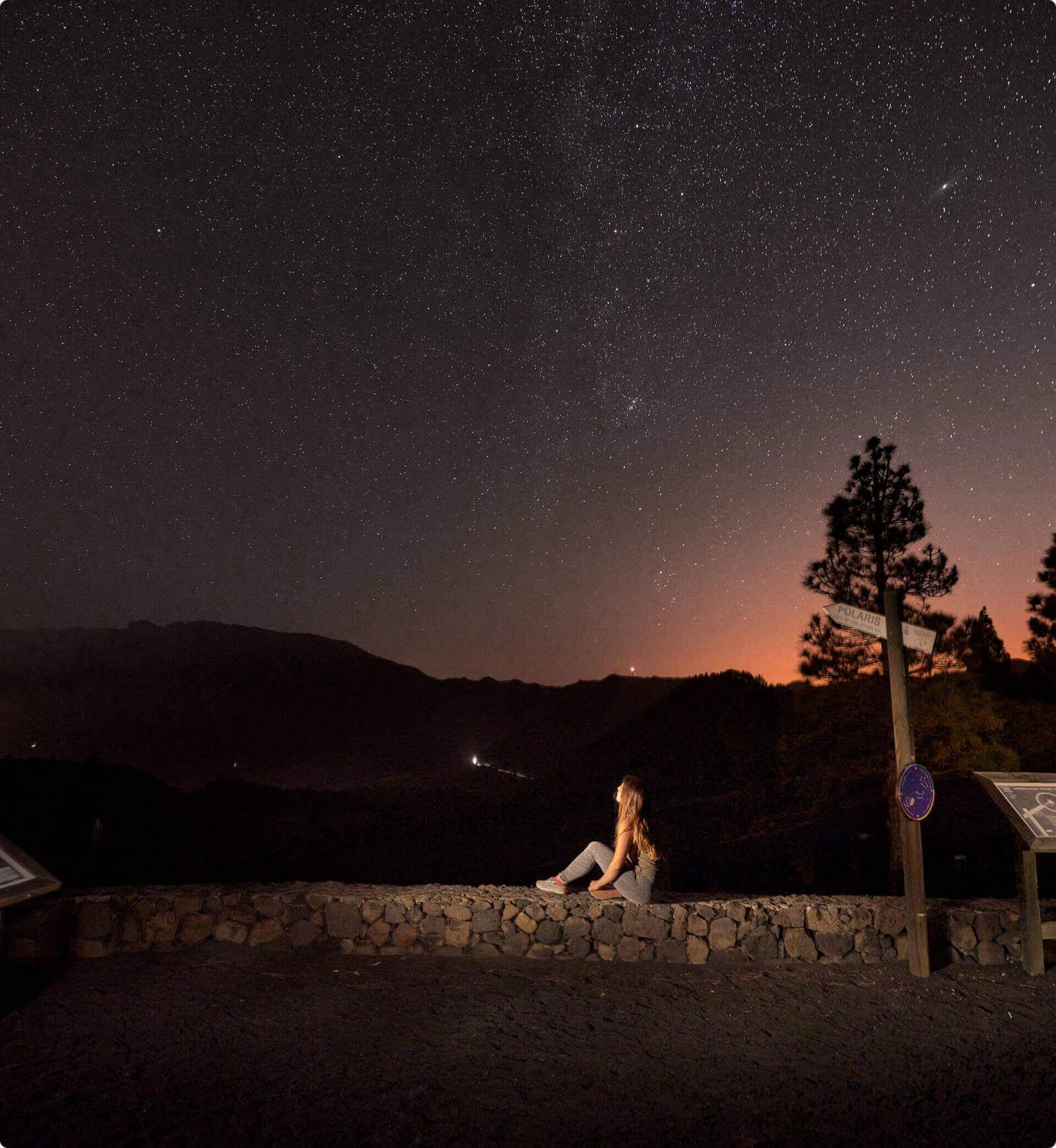
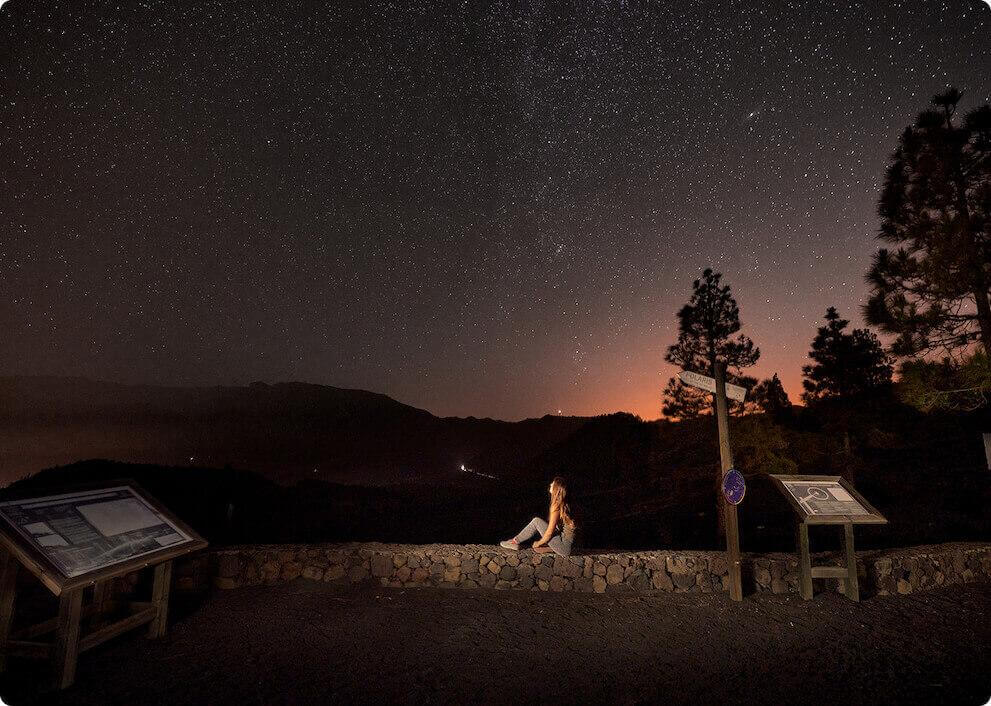
The Canary Islands archipelago is considered one of the top three places on the planet for astronomical observation. Its climate conditions provide exceptionally clear skies, recognised as the cleanest and most transparent in Europe. These are further protected by the Sky Law, a pioneering regulation controlling light and atmospheric pollution.
This privileged setting makes stargazing in the Canary Islands as simple as looking up at the firmament. After sunset, it is possible to see constellations, planets and meteor showers like the Perseids or Lyrids with the naked eye. The archipelago’s altitude, atmospheric stability and sky clarity create exceptional conditions for astronomical observation from the numerous viewing points on every island.
Four islands hold prestigious Starlight certificates, endorsing them as prime destinations for astrotourism. These are complemented by two international observatories located on the peaks of La Palma and Tenerife: the Roque de los Muchachos Astrophysical Observatory at an altitude of 2,426 metres, and the Teide Observatory at 2,390 metres. Both are excellent sites for observation and are open to the public.


A universe of life to discover
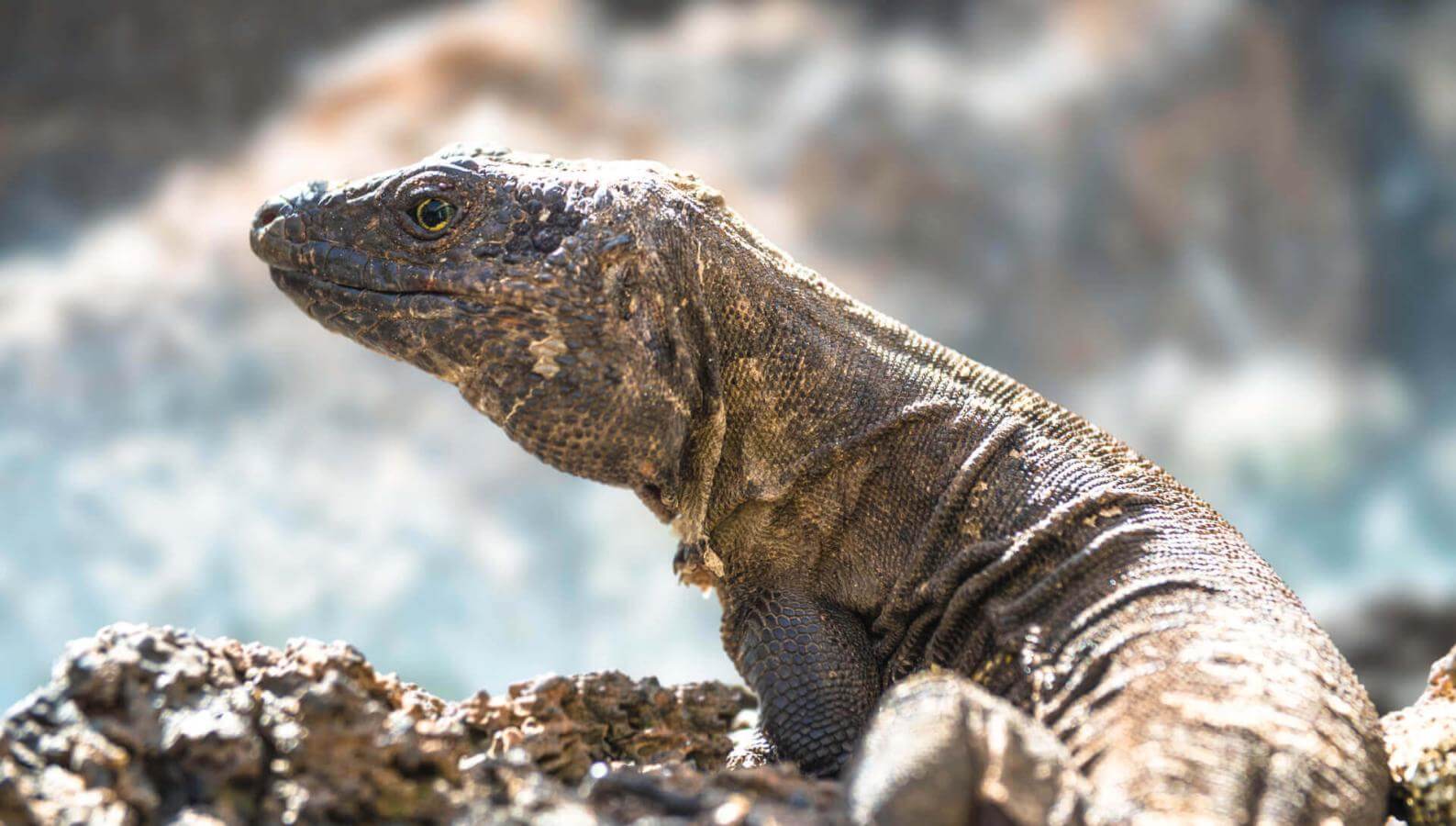
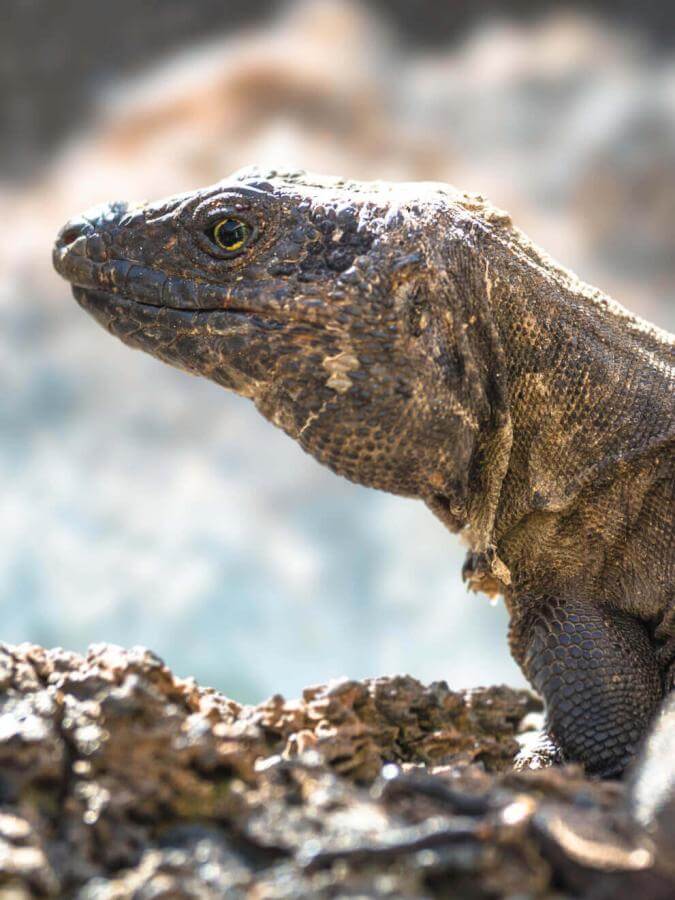
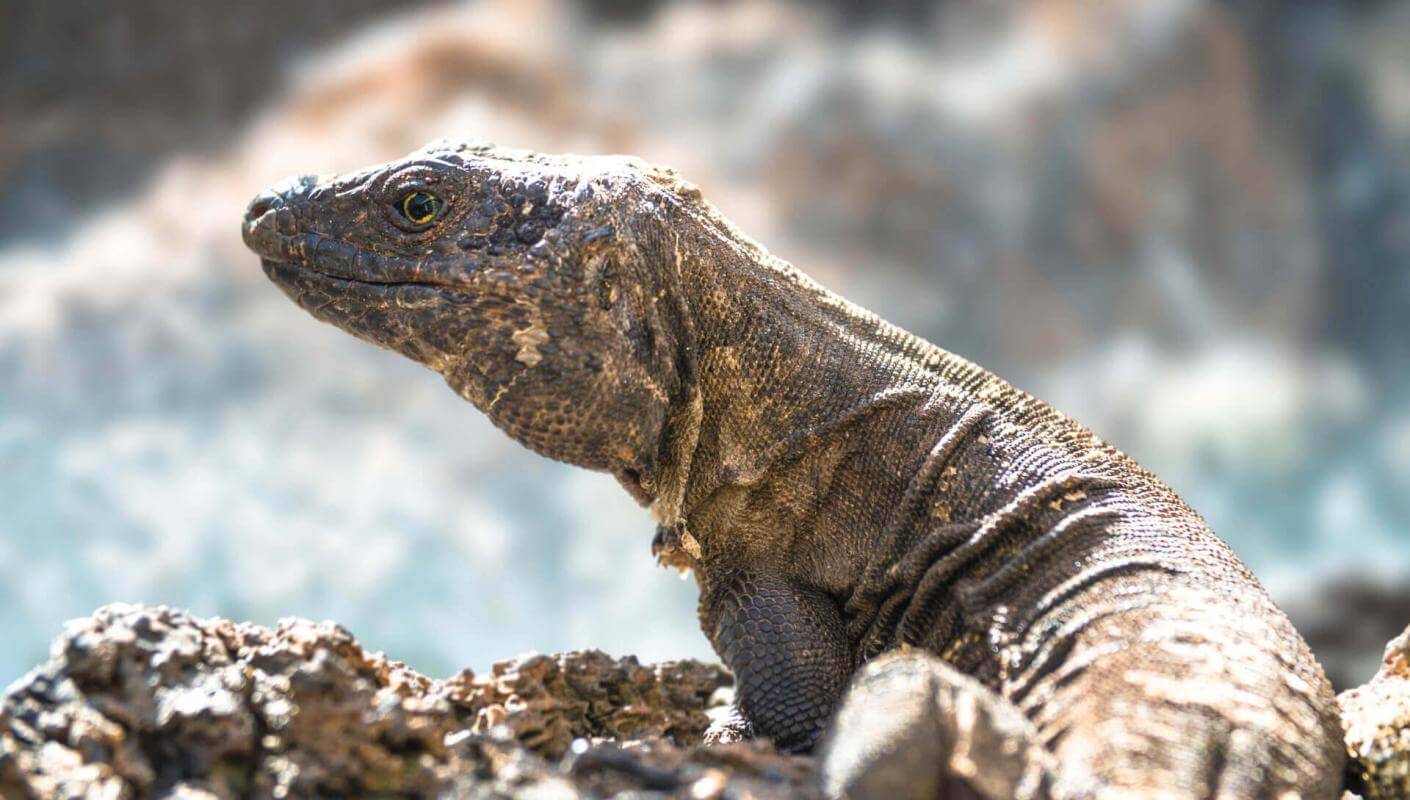
The Canary Islands are considered a true “natural laboratory” due to their extraordinary biodiversity. They are home to more than 17,000 animal species, many of which are endemic. This is the habitat of lagartos gigantes (a protected endemic lizard of the Canary Islands), murciélagos orejudos (an endemic bat with ears measuring 40 mm), musarañas canarias (a shrew endemic to the Canary Islands) and small reptiles like the perenquén de Boettger (a reptile endemic to the Canary Islands) - species only found in this archipelago.
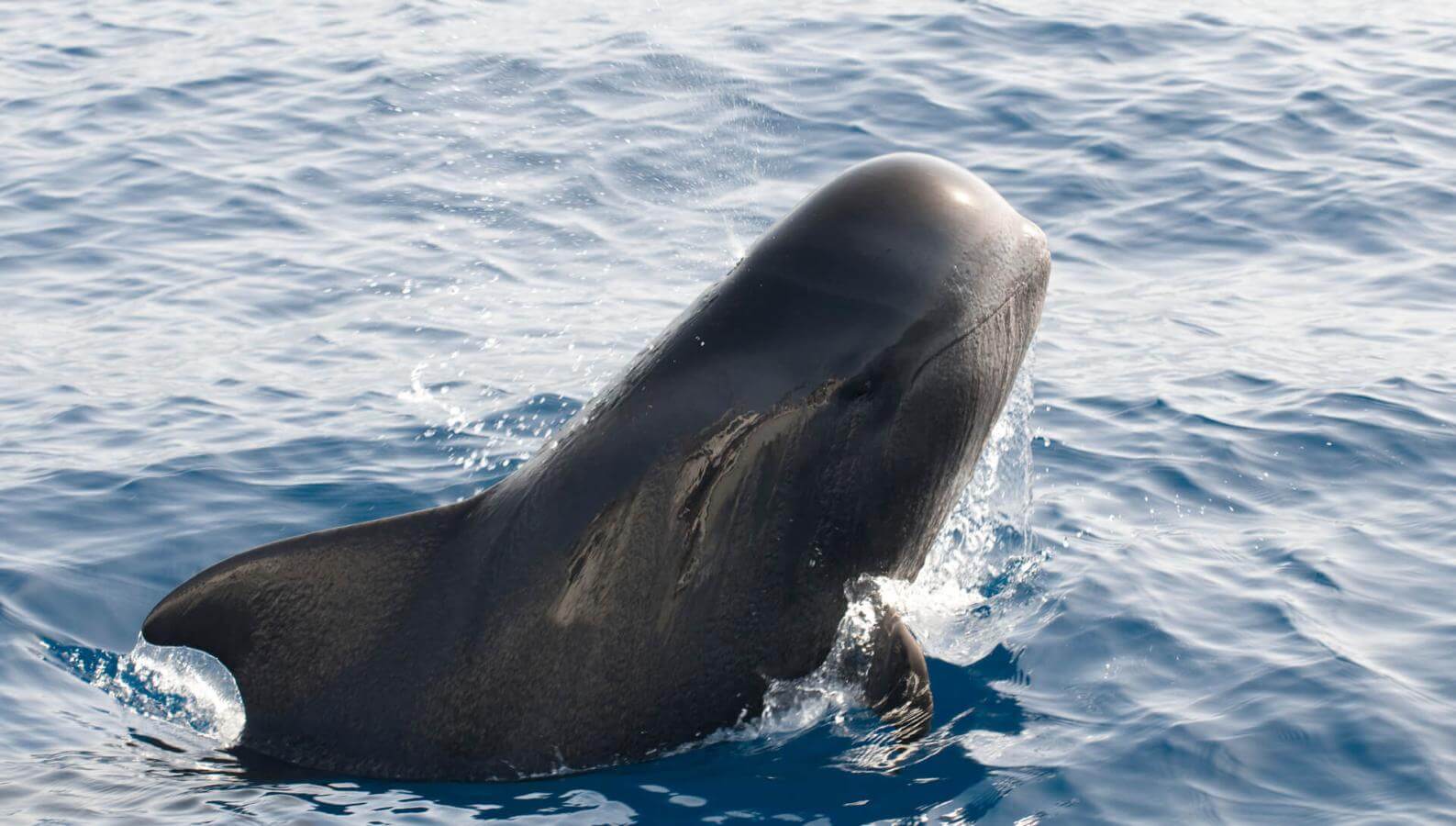
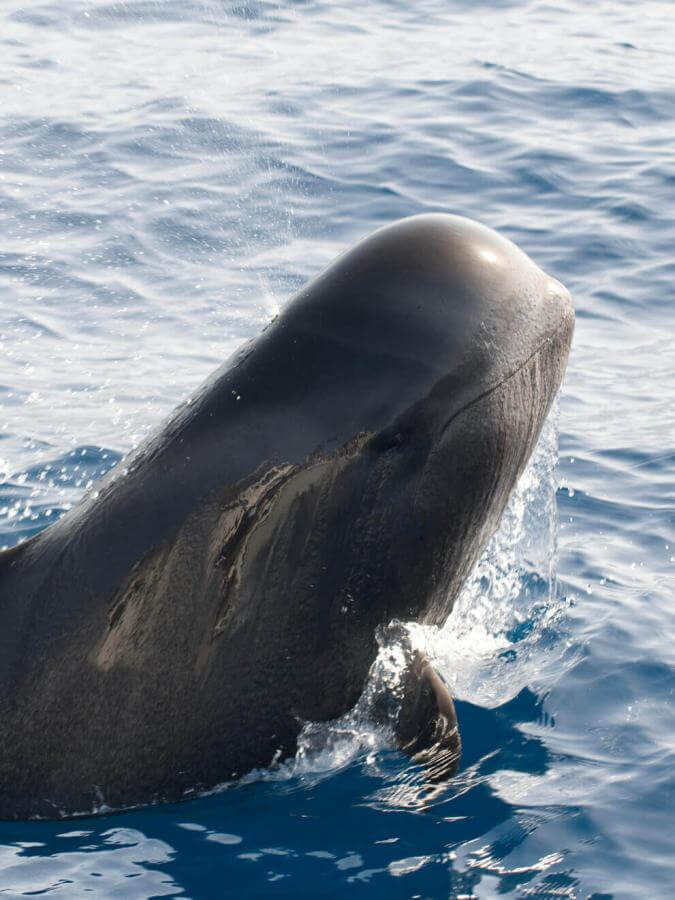
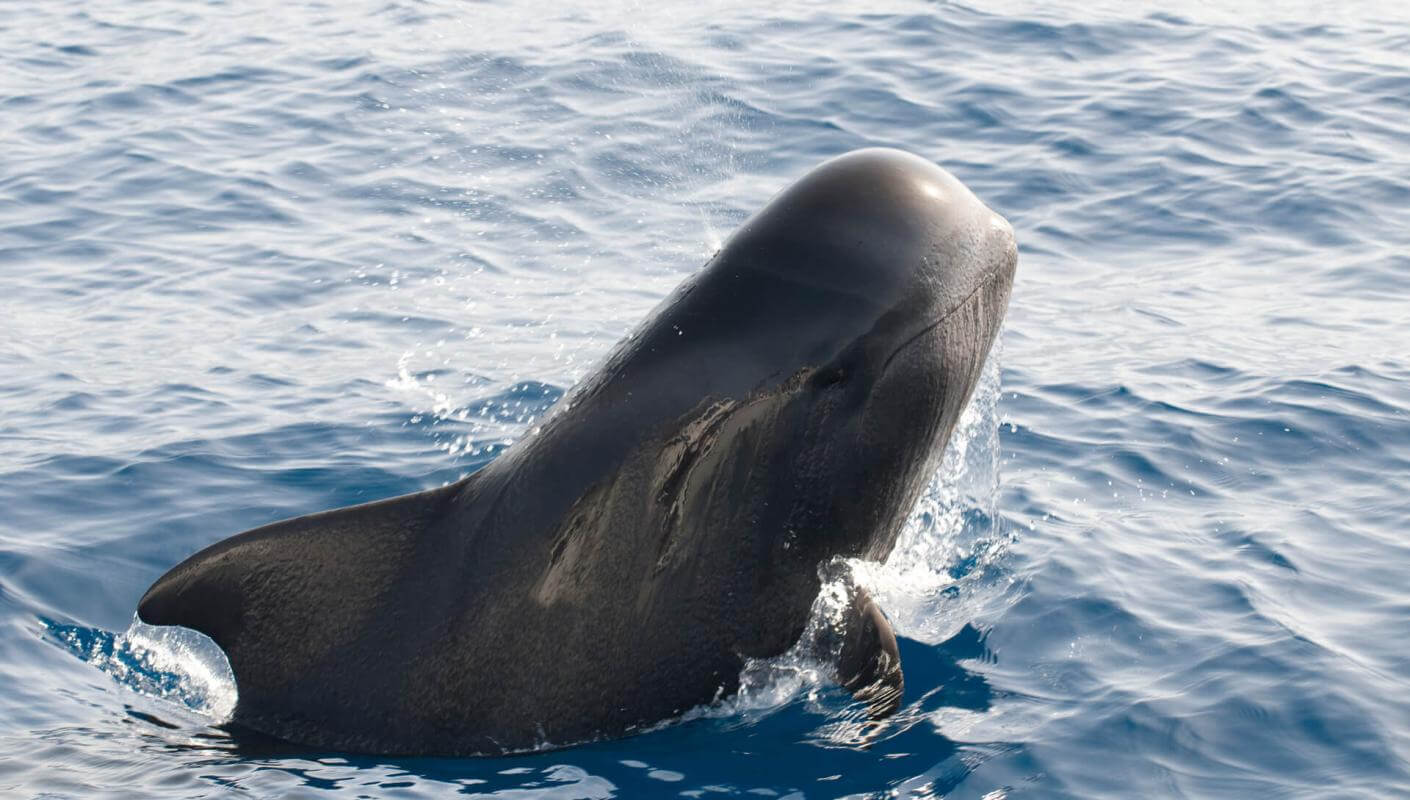
Their waters host cetaceans year-round: bottlenose dolphins, pilot whales and beaked whales swim close to the coasts, allowing for relatively easy sightings. Furthermore, the archipelago boasts three official Marine Reserves: La Graciosa and the islets north of Lanzarote, La Palma and El Hierro. These protected areas help conserve unique marine ecosystems and aid the recovery of vulnerable species.
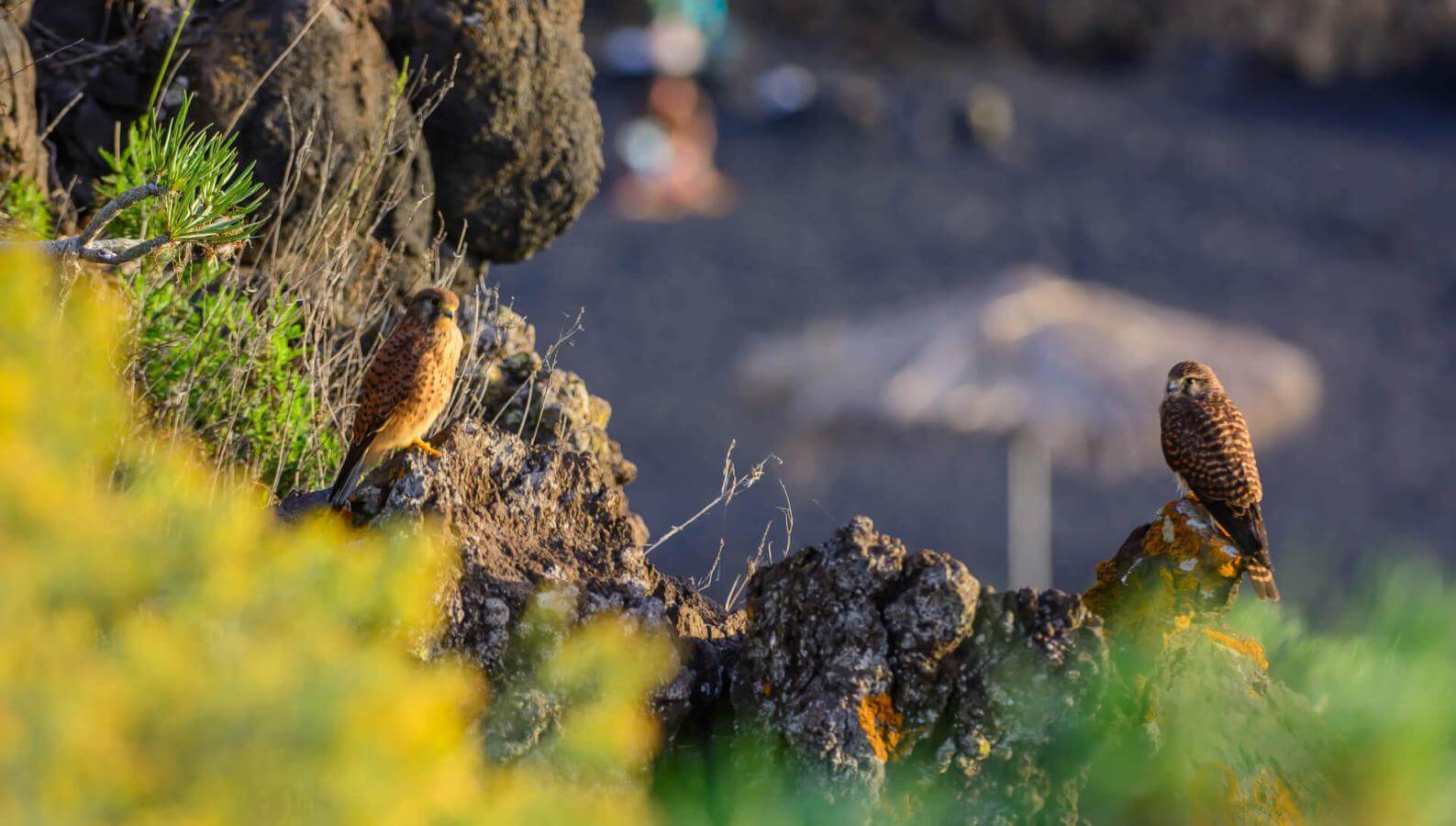
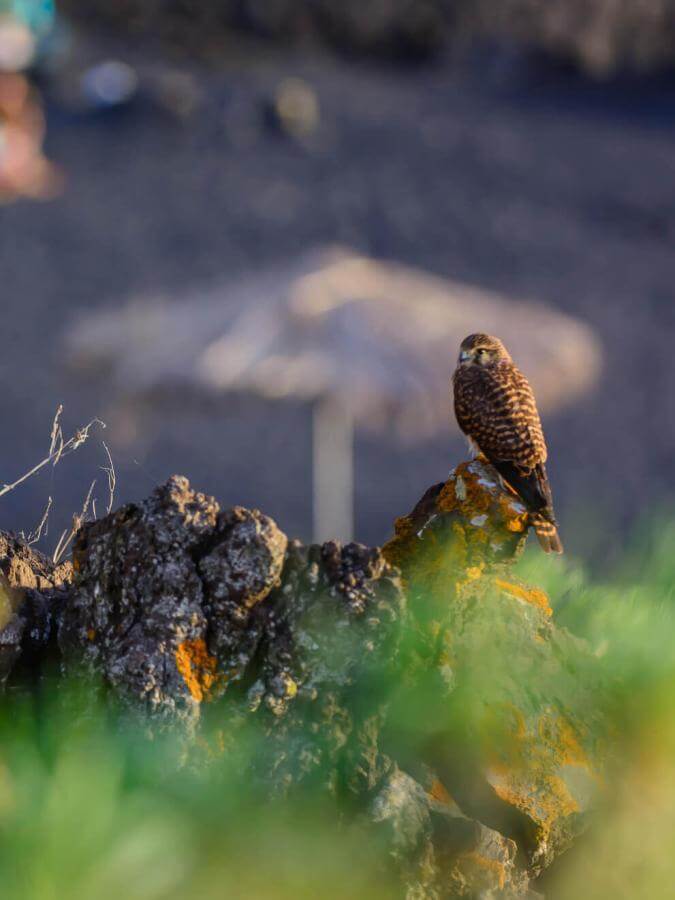
The Canary Islands are also a paradise for birdwatchers, with a huge variety of endemic species such as the paloma rabiche (a pigeon with grey plumage and red eyes), the pinzón azul (a bird endemic to the Canary Islands) and the mosquitero canario (a small bird with a joyful song), highly prized by ornithology enthusiasts. The flora, meanwhile, shows exceptional diversity, with over 2,000 plant species identified - approximately 500 of which are endemic - reflecting the territory’s wide range of habitats.
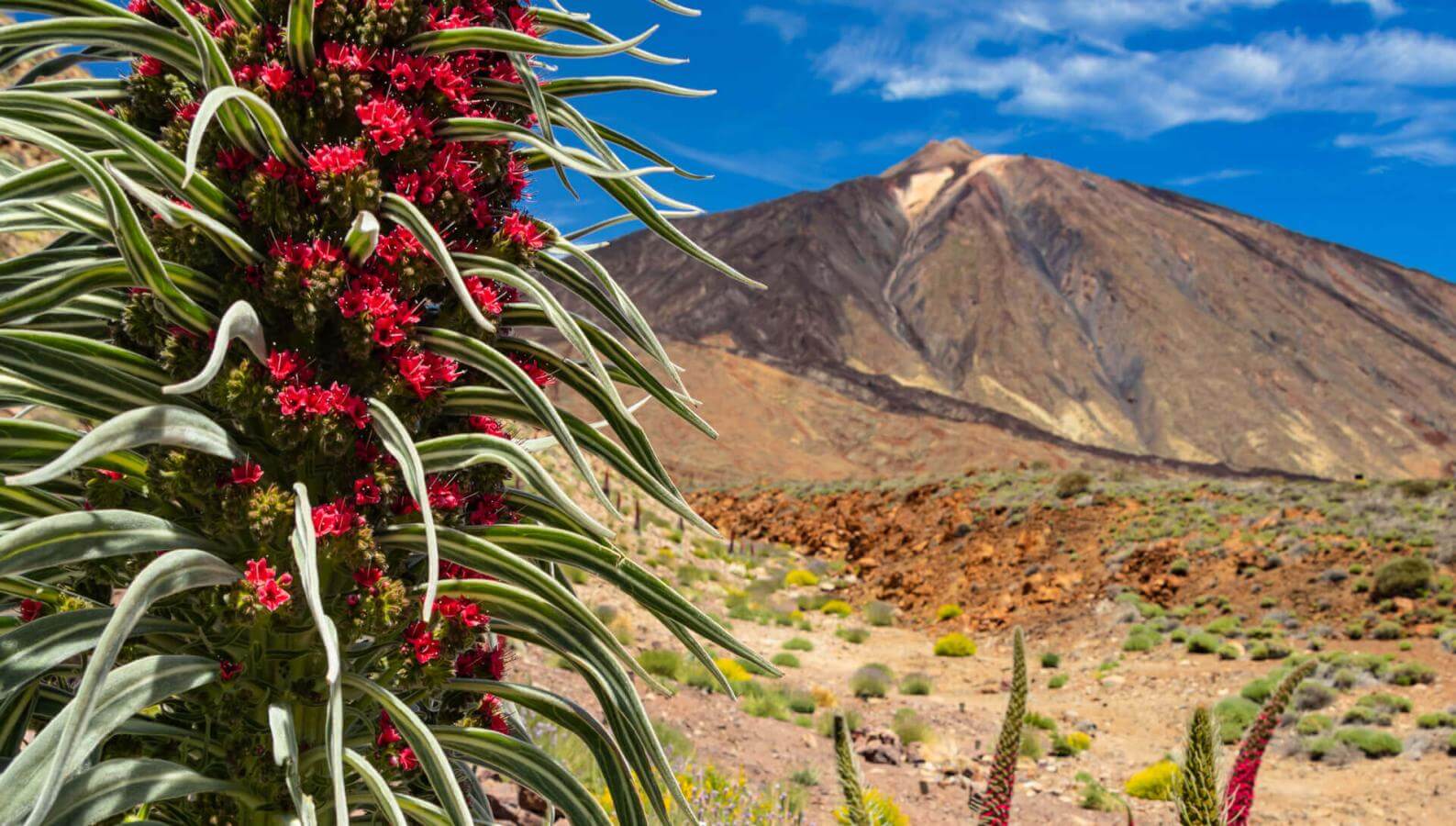
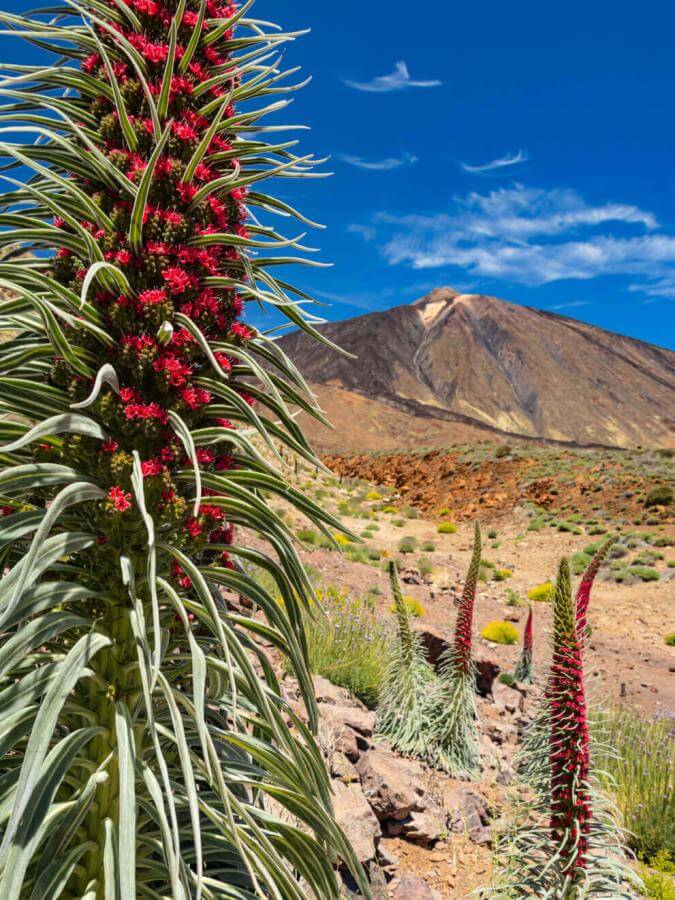
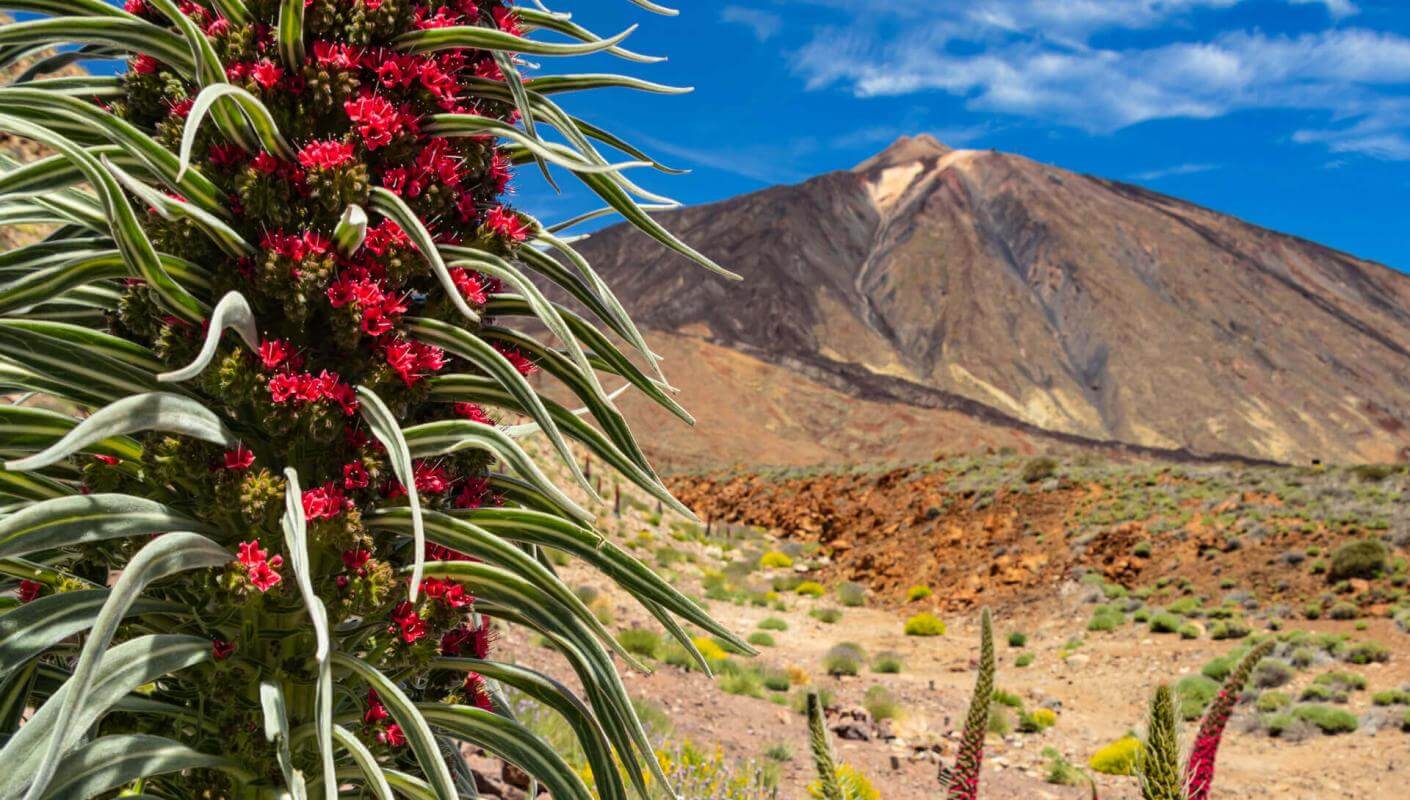
In addition to the laurissilva forests in humid mid-mountain zones, the archipelago’s flora includes emblematic species of dry, windy environments like sabinas (an endemic bush with very small, bright green leaves), as well as plants native to higher altitudes, such as the tajinaste rojo (a bush endemic to the Teide), or the flor del Teide (a small, perennial plant that grows among the rocks of Mount Teide). All contribute to the distinctive character of the Canarian landscape. This natural wealth can be discovered up close through specialised local guides, who help one observe wildlife and flora with the utmost respect for the environment.

Over 4,000 kilometres of trails to discover the islands
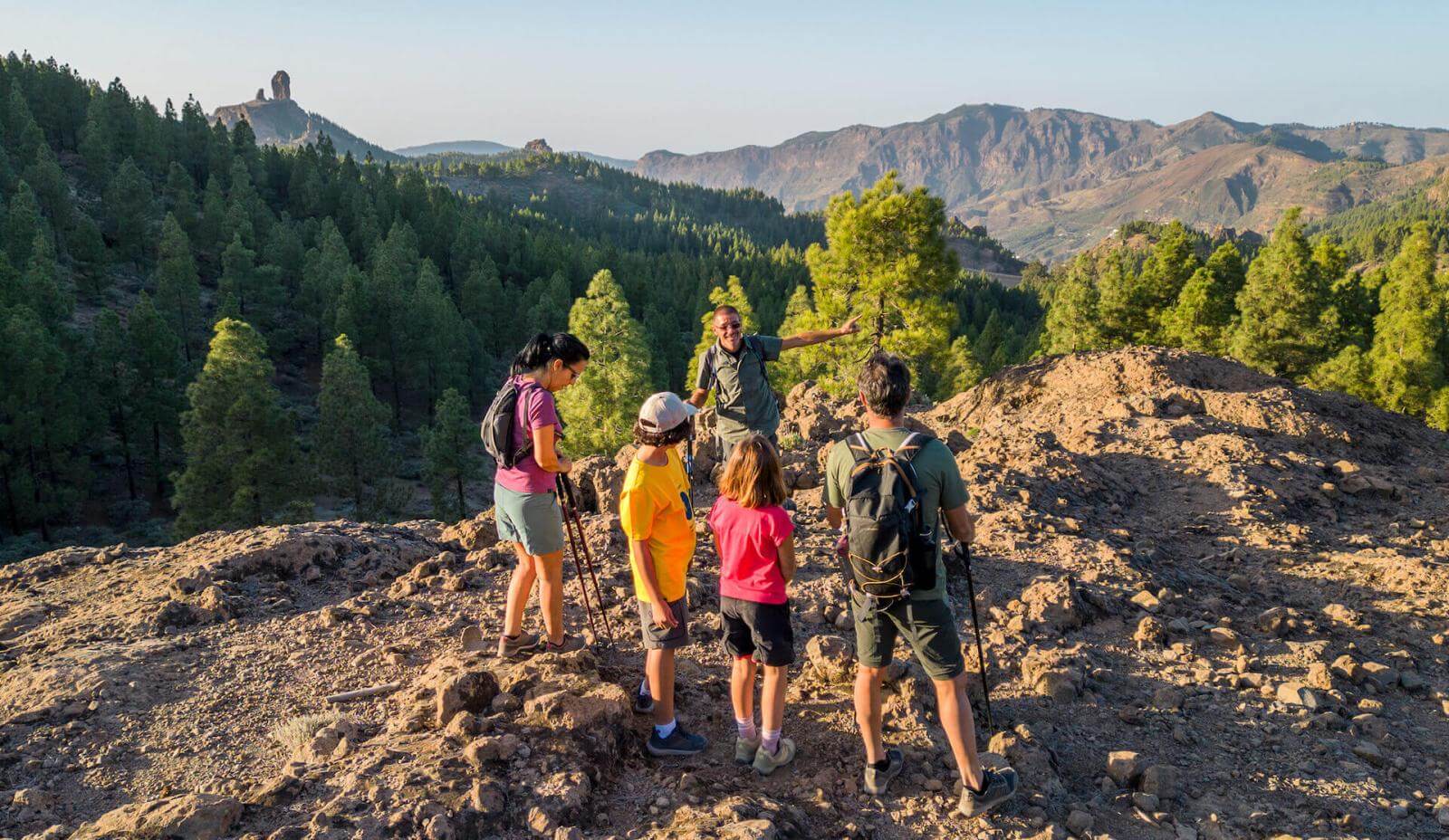
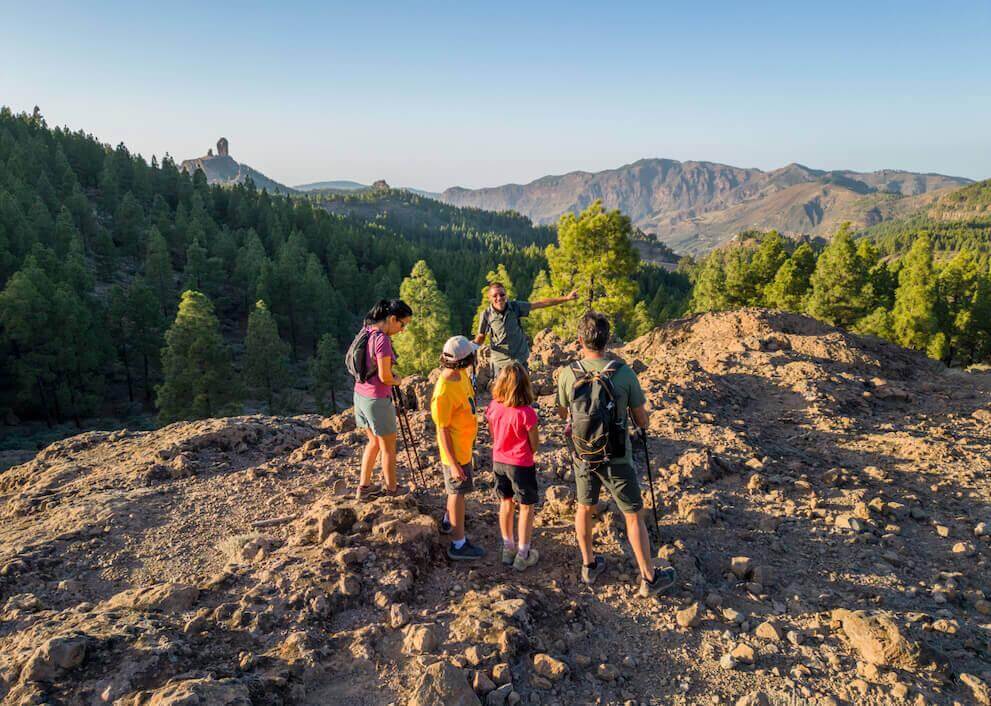
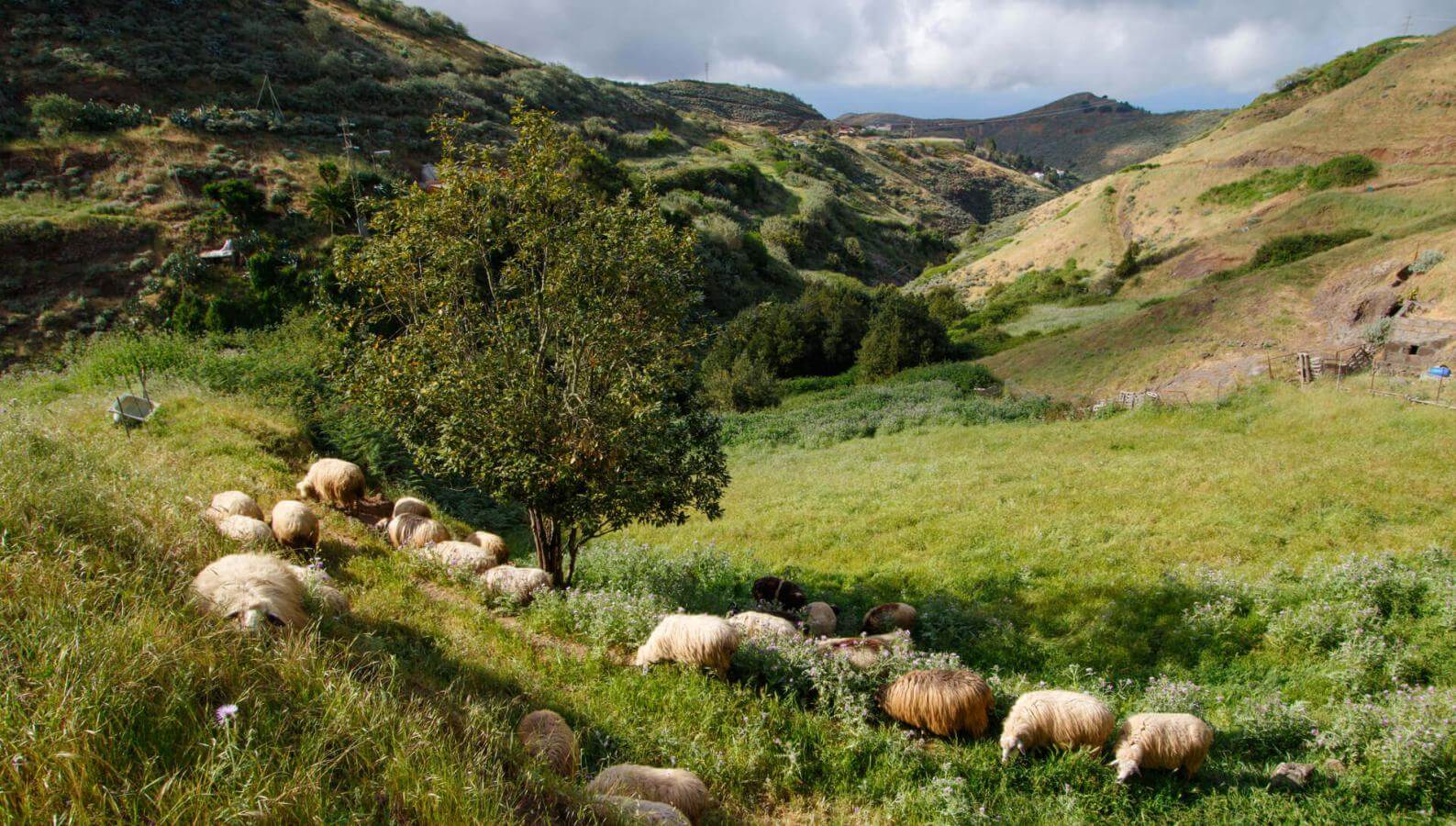
The variety and uniqueness of the Canary Islands’ landscapes are best enjoyed up close and at a leisurely pace, step by step. This is easily achieved thanks to the ideal climate and the extensive network of trails criss-crossing every island. Across the archipelago, there are more than 400 signposted routes, categorised by distance. This allows every walker to find an option suited to their level and motivation: short strolls through lush forests or pine groves, paths that traverse volcanoes, and routes of over 50 kilometres packed with ascents and descents - perfect for sports-oriented pursuits.

But walking in the Canary Islands can also be a way to connect with their identity and culture. Many trails pass through places where the cultural heritage reveals over 2,000 years of history: from the remnants of the first inhabitants in the El Julan Cultural Park, or the cave system of Cenobio de Valerón, to spaces rich in symbolism like Risco Caído and the Montañas Sagradas, and on to the hypnotic vineyards of La Geria. Every route offers a different way to get to know the Canary Islands.