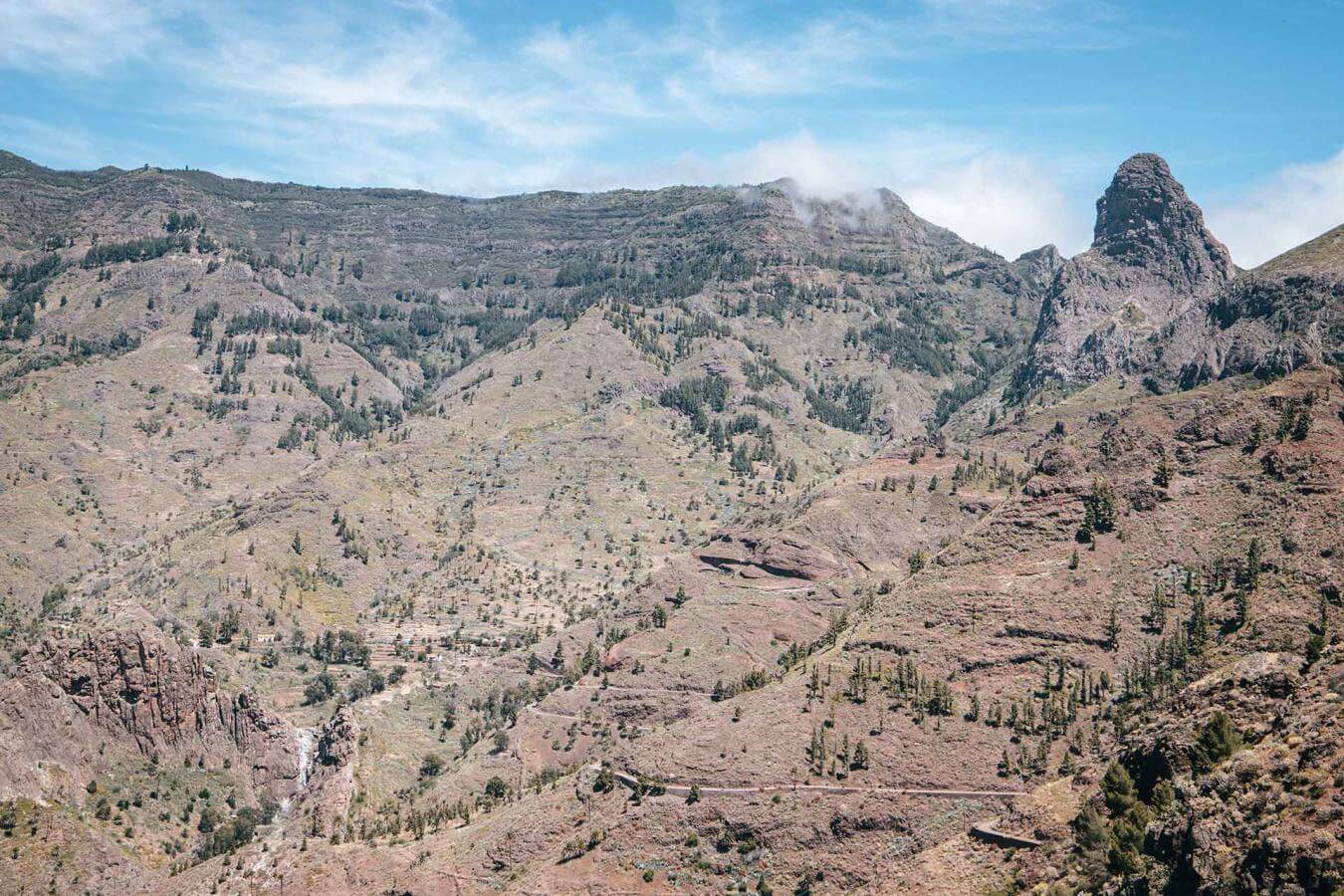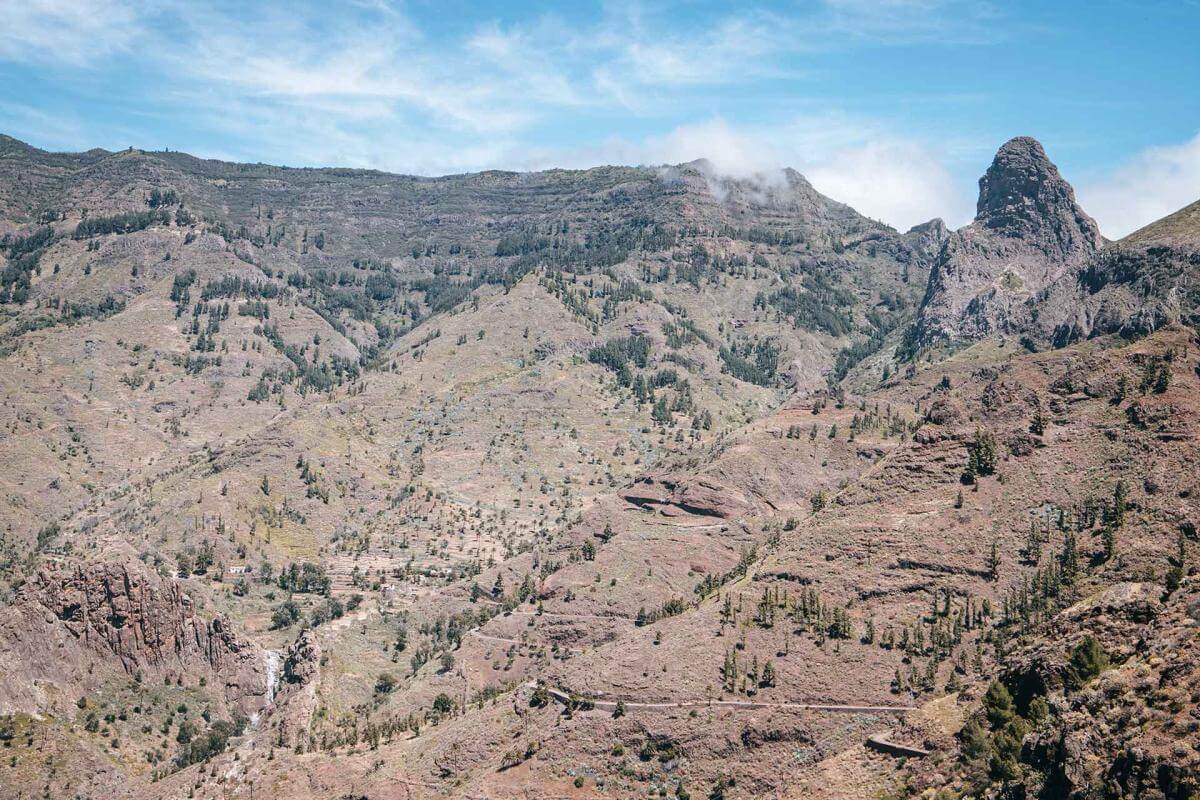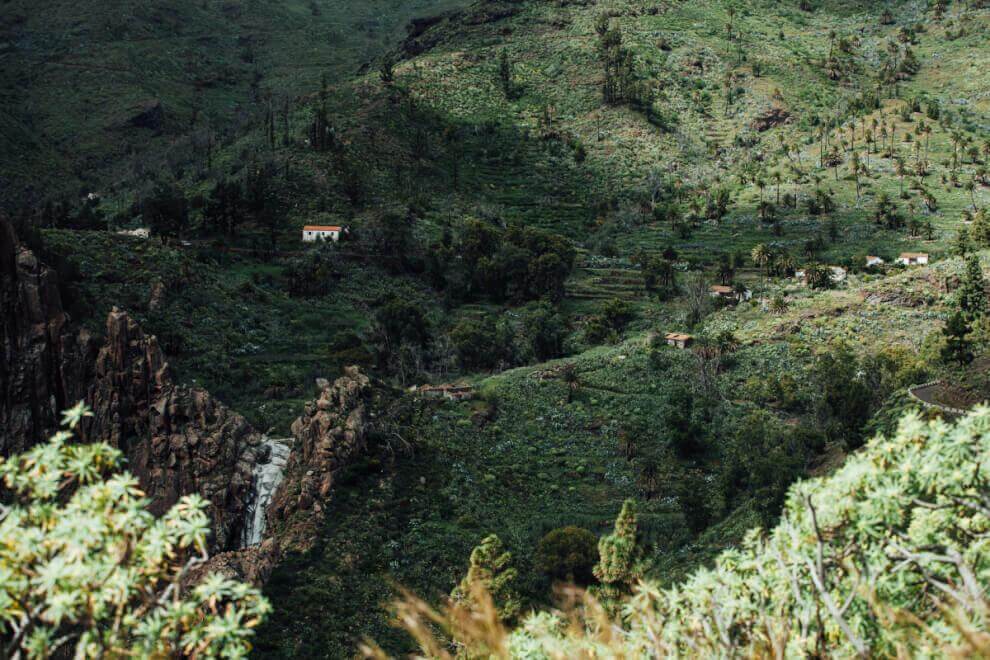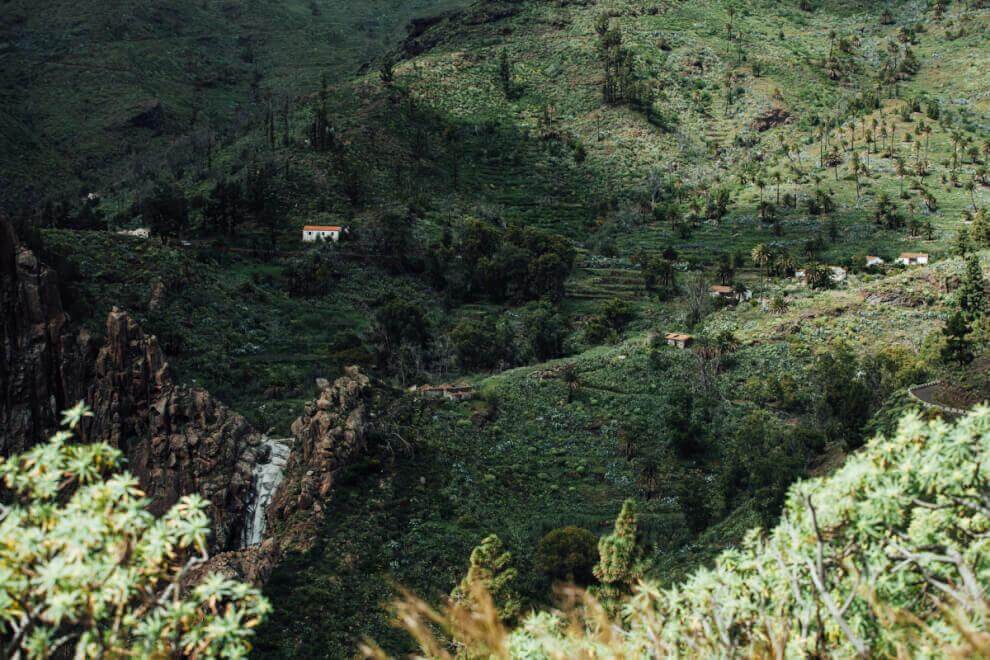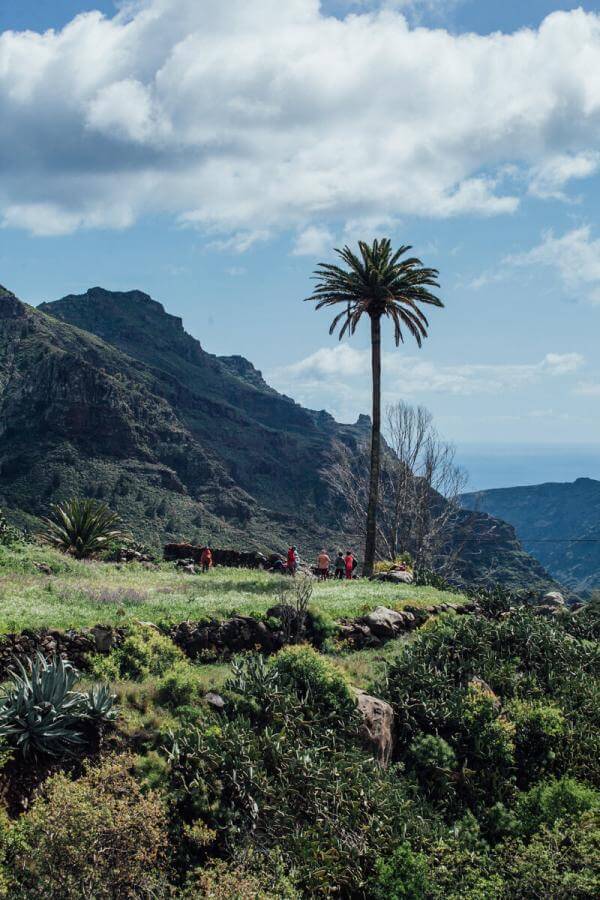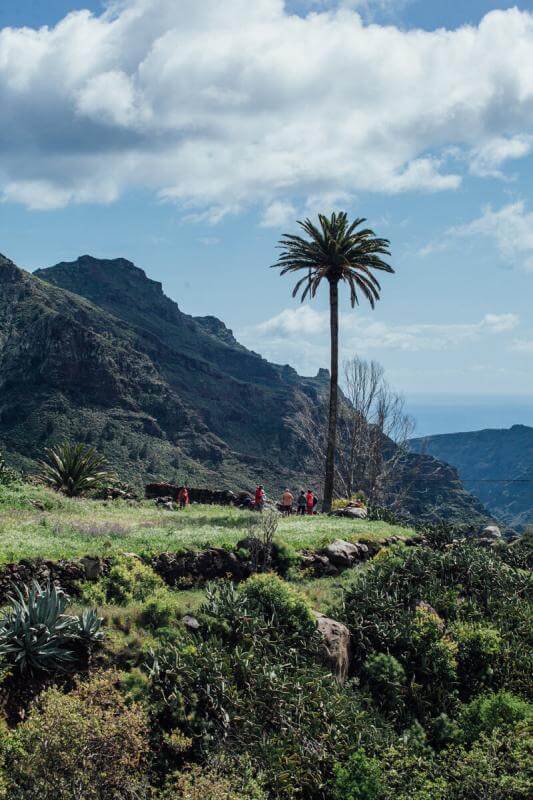


This extensive circular route passes through one of the sectors of Garajonay National Park that was most severely affected by the 2012 forest fire, offering visitors the opportunity to observe firsthand the significant progress made in ecological restoration programmes on the island’s southern slope. Along the trail, evolving landscapes can be seen, with young stands of fayas and heaths gradually reclaiming areas once occupied by Canary Island pine plantations, which are now in decline. For much of the route, the path crosses a young fayal–brezal in the process of maturation, where natural regeneration is advancing rapidly thanks to increased light availability and the strong resprouting capacity of many native species. This dynamic landscape provides an excellent example of how the Park’s ecosystems respond to restoration processes and to the removal of reforested species. In the lower sections, pine woodlands still in the process of replacement can be observed—areas where young pines coexist with emerging heaths and juvenile fayas. These vegetational contrasts illustrate the different stages of forest restoration and help visitors understand the complex transition toward the original dry monteverde landscape. As the route approaches the edge of La Gomera’s central plateau, the landscape opens up and offers some of the most beautiful panoramic views in this sector of the Park. From elevated points, the erosive calderas of Benchijigua and Imada can be clearly seen—two impressive volcanic-erosive depressions that form part of the island’s most spectacular geomorphology. These vistas, especially striking on clear days, are among the highlights of the route. This trail is ideal for those wishing to understand the Park’s restoration processes, enjoy wide views of the southern part of the island, and explore young forest environments that showcase the regenerative capacity of the monteverde ecosystem.