

The Canary Islands are an authentic natural laboratory. Over time, birds have adapted to the singular characteristics of the Canary Islands: the winds, the volcanic landscapes and the diversity of ecosystems. They have even evolved into unique species that can only be seen in the wild here.


A biodiversity hotspot
The Canary Islands are one of the world’s great natural treasures. They are home to more than 17,000 wild species, and nearly one in three is endemic, meaning they originated here and are not known to exist in the wild anywhere else on the planet. This biological richness makes the destination a veritable global biodiversity hotspot.
Furthermore, the Canary Islands contain 24 of the 168 natural habitats of community interest recognised in Europe. Among the most representative ecosystems are the laurissilva forests, the Canary Island pine forests, and the formations of cardon cactus and balsam spurge.

Nine species unique in the world
Birds hold a special prominence in Canarian nature. Around 100 nesting species breed in the archipelago, nine of which exist only here:
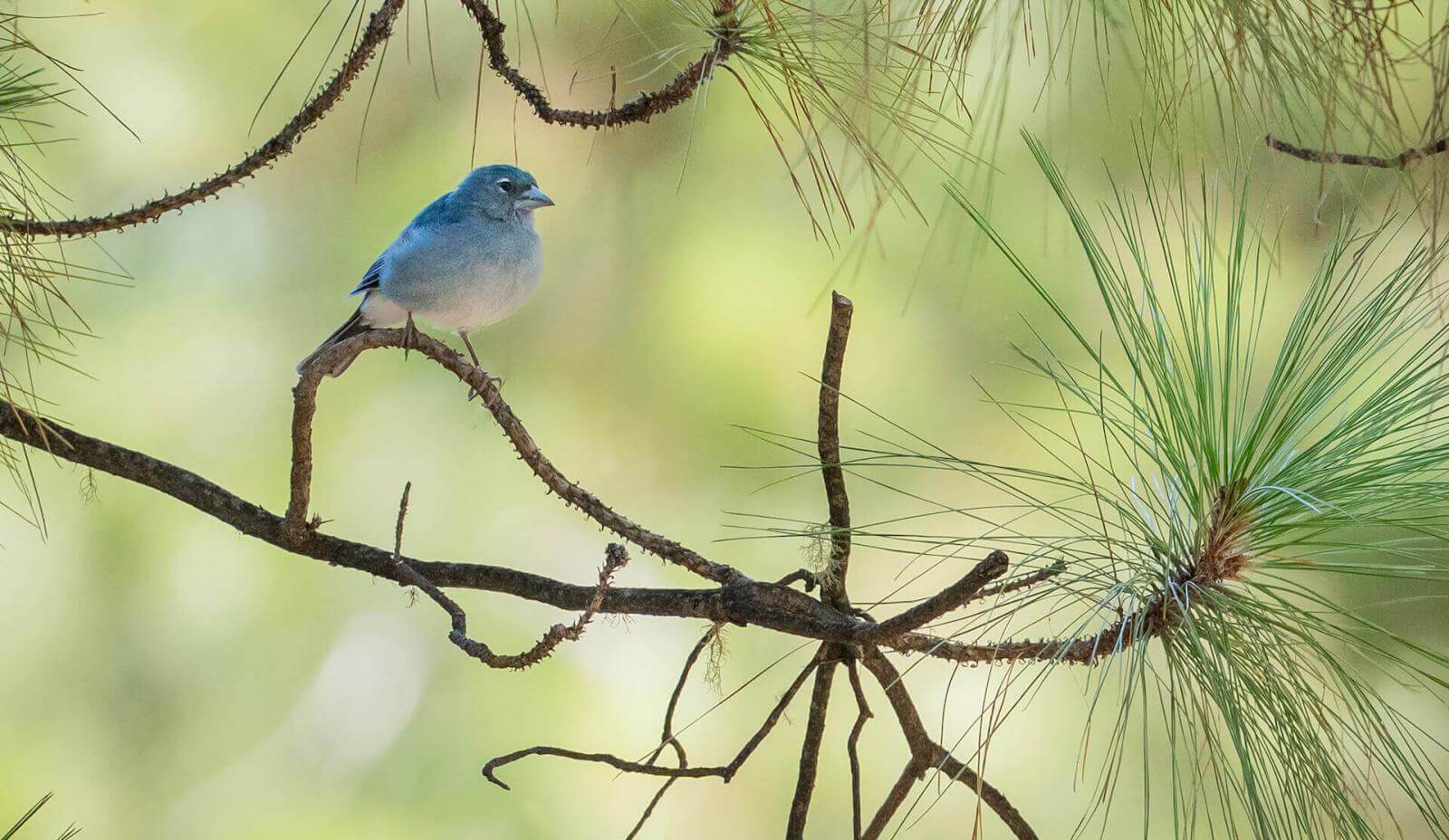
The Laurel Pigeon (Columba junoniae), the Bolle’s Pigeon (Columba bolli), the Tenerife Robin (Erithacus superbus), the Gran Canaria Robin (Erithacus marionae), the Canary Islands Stonechat (Saxicola dacotiae), the Canary Islands Chiffchaff (Phylloscopus canariensis), the Canary Islands Chaffinch (Fringilla canariensis), the Tenerife Blue Chaffinch (Fringilla teydea) and the Gran Canaria Blue Chaffinch (Fringilla polatzeki).
In addition, some ornithologists believe that the Tenerife Goldcrest (Regulus regulus teneriffae) could also be part of this list of unique species.
Birds shared with Macaronesia and other singular species
The archipelago also shares fauna with other Macaronesian islands - the Azores, Madeira, the Savage Islands and Cape Verde - a group of volcanic Atlantic archipelagos with a shared origin and many species in common. Among them, the Plain Swift (Apus unicolor), the Atlantic Canary (Serinus canaria), the Berthelot’s Pipit (Anthus berthelotii) and the Barolo Shearwater (Puffinus baroli) stand out.
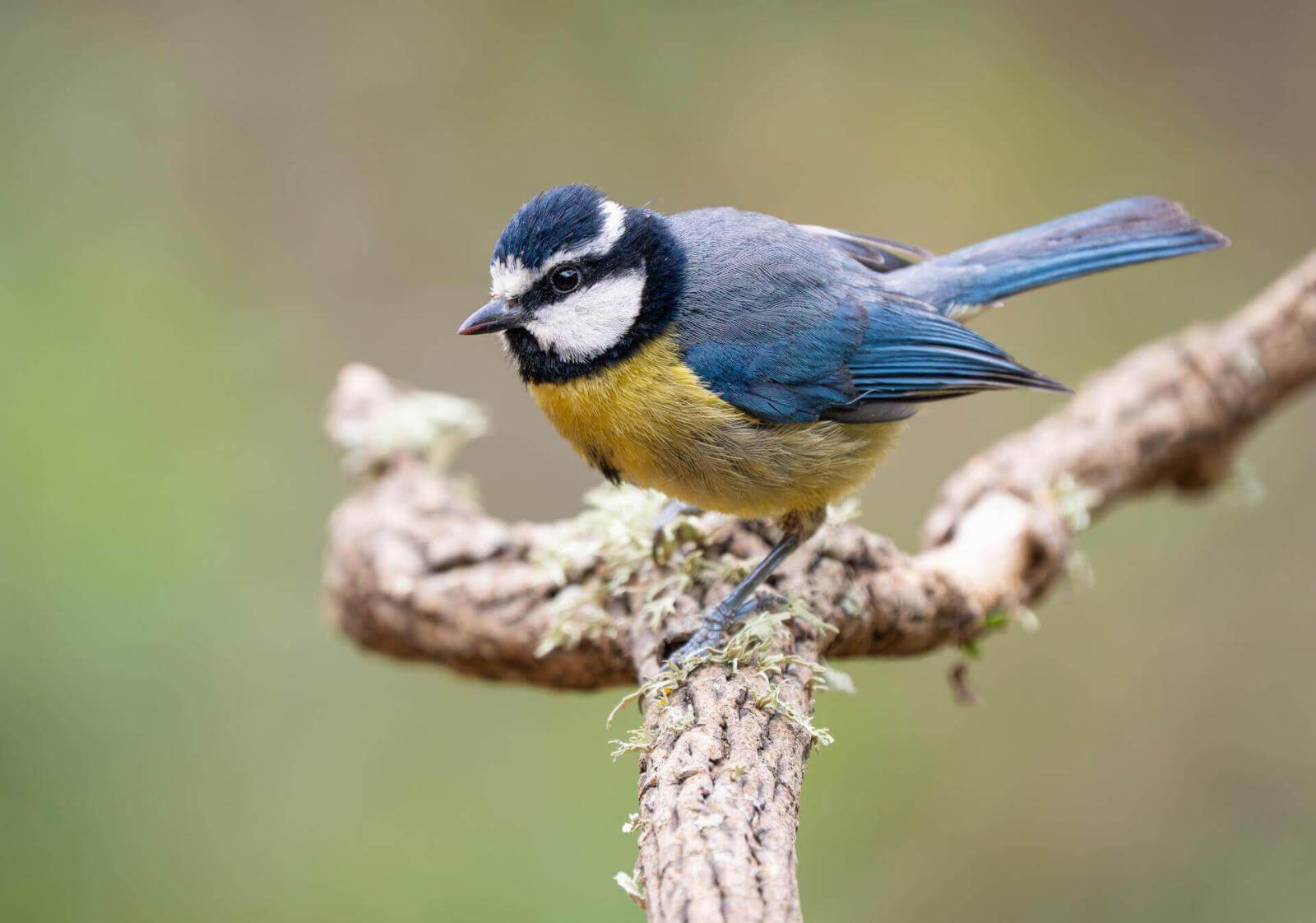
More than thirty bird subspecies have been identified in the Canary Islands, many of them clearly differentiated from their continental relatives. The Tenerife Blue Tit (Cyanistes teneriffae) and the Canary Islands Chaffinch (Fringilla canariensis) are good examples: both have their own variations on each island where they live - five subspecies in the first case and three in the second - resulting from the independent evolution of each population.
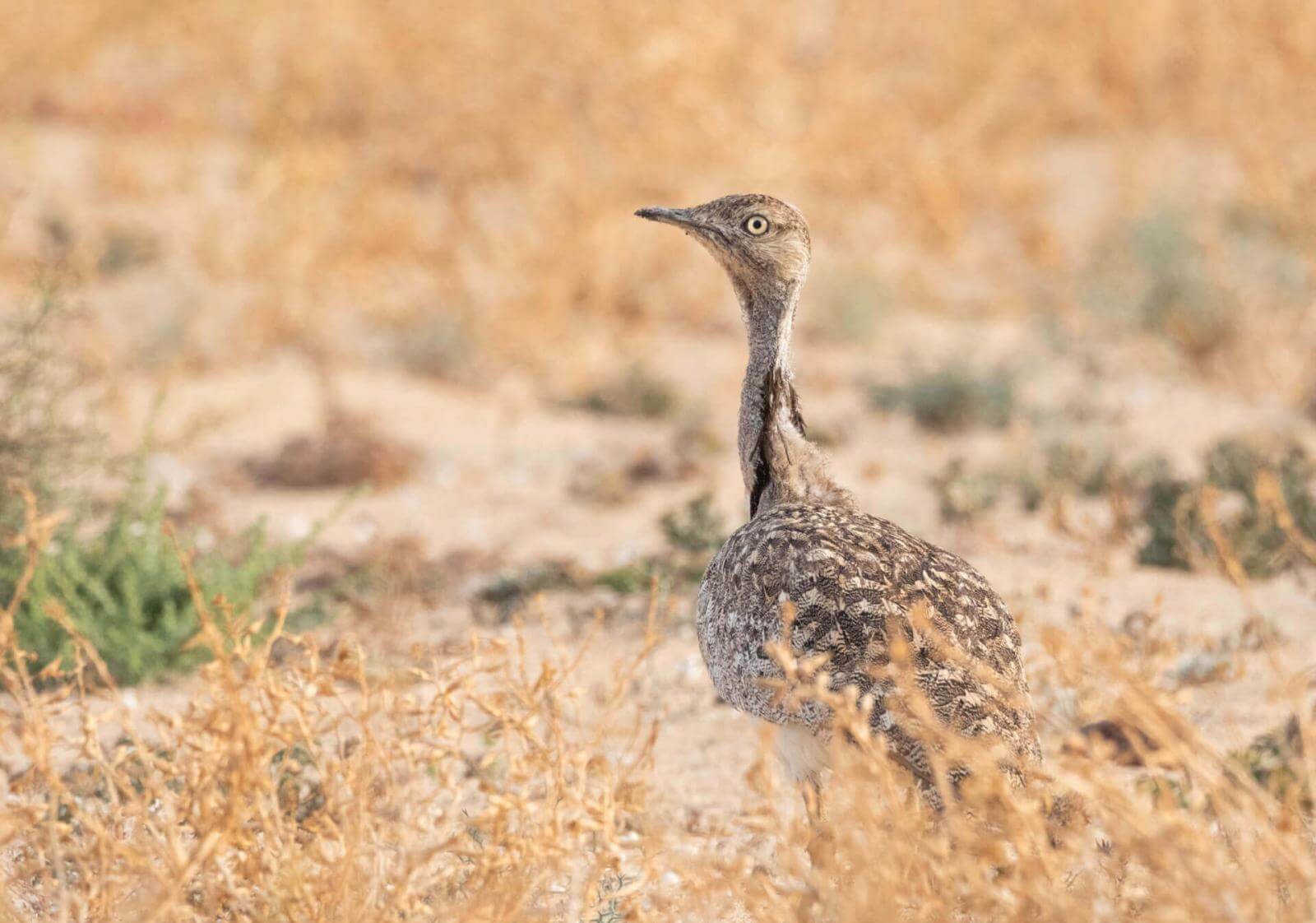
Added to this diversity are birds of tropical or Saharan origin that maintain stable populations within the European Union in the Canary Islands alone, such as the Canarian Houbara (Chlamydotis undulata), the Red-billed Tropicbird (Phaethon aethereus), and the Cream-coloured Courser (Cursorius cursor).