


For over two centuries, the Canary Islands have been a place of inspiration for naturalists, explorers and bird lovers. Their position in the middle of the Atlantic, their diversity of landscapes and the presence of species unique in the world have turned the archipelago into a veritable natural laboratory that remains as fascinating today as it was in the past.
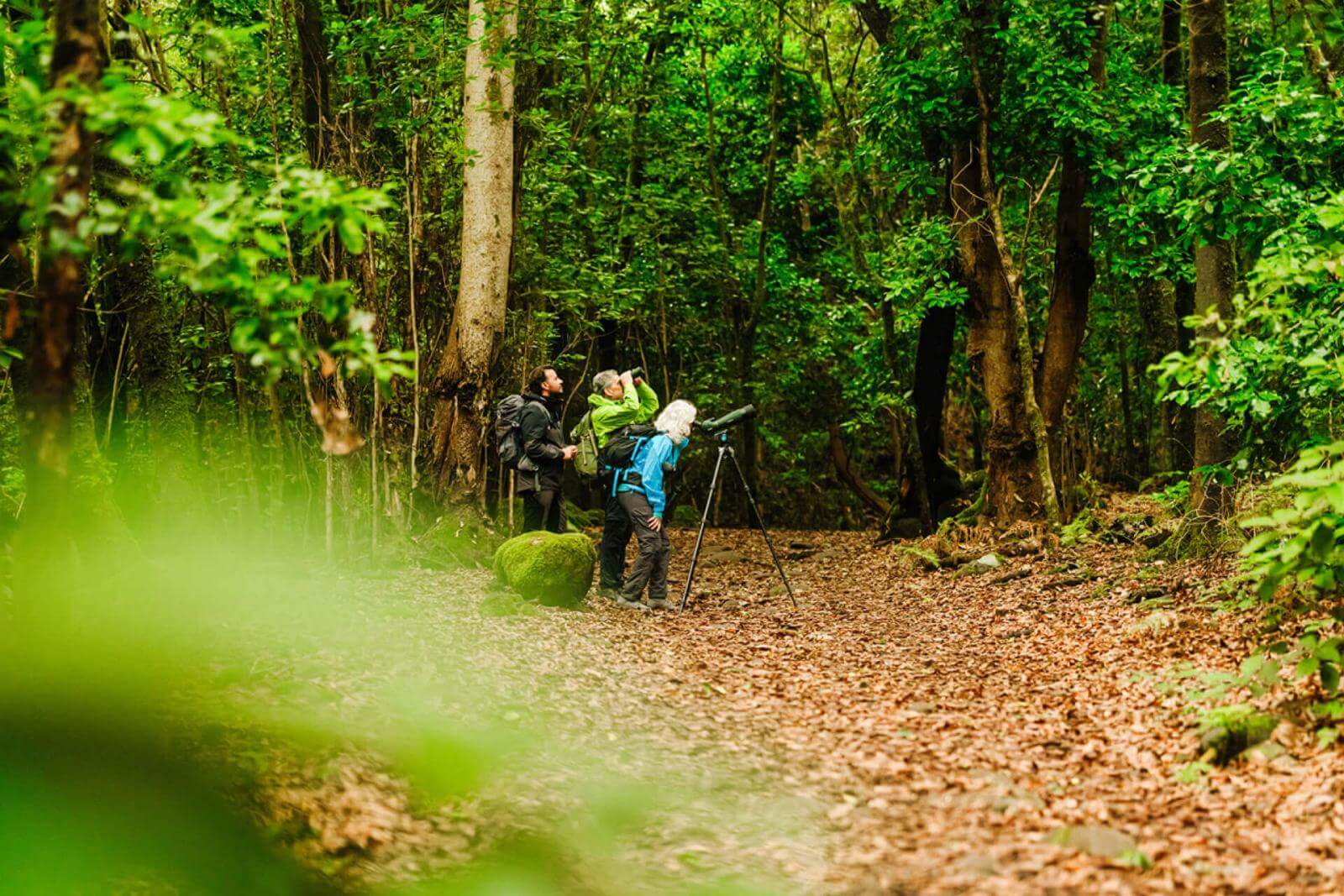
Humboldt, Berthelot and Barker-Webb: the first to be enamoured of Canarian biodiversity
For Alexander von Humboldt, his stop in Tenerife in 1799 was one of the most memorable of his voyage to the Americas. The ascent of Mount Teide marked a new way for him to understand nature: an interconnected system where climate, volcanoes, flora and fauna mutually influence one another. This global perspective inspired generations of naturalists.
A few years later, Sabin Berthelot and Philip Barker-Webb dedicated long periods to the detailed study of Canarian nature. Berthelot, deeply in love with the archipelago - to the point of residing here for a much of his life - researched fields as diverse as botany, zoology and ethnography.
Together with Barker-Webb, he travelled across the islands between 1822 and 1830, making field observations that would lead to the monumental Natural History of the Canary Islands (1836–1850), a key work for Europe’s understanding of the archipelago’s biological uniqueness.
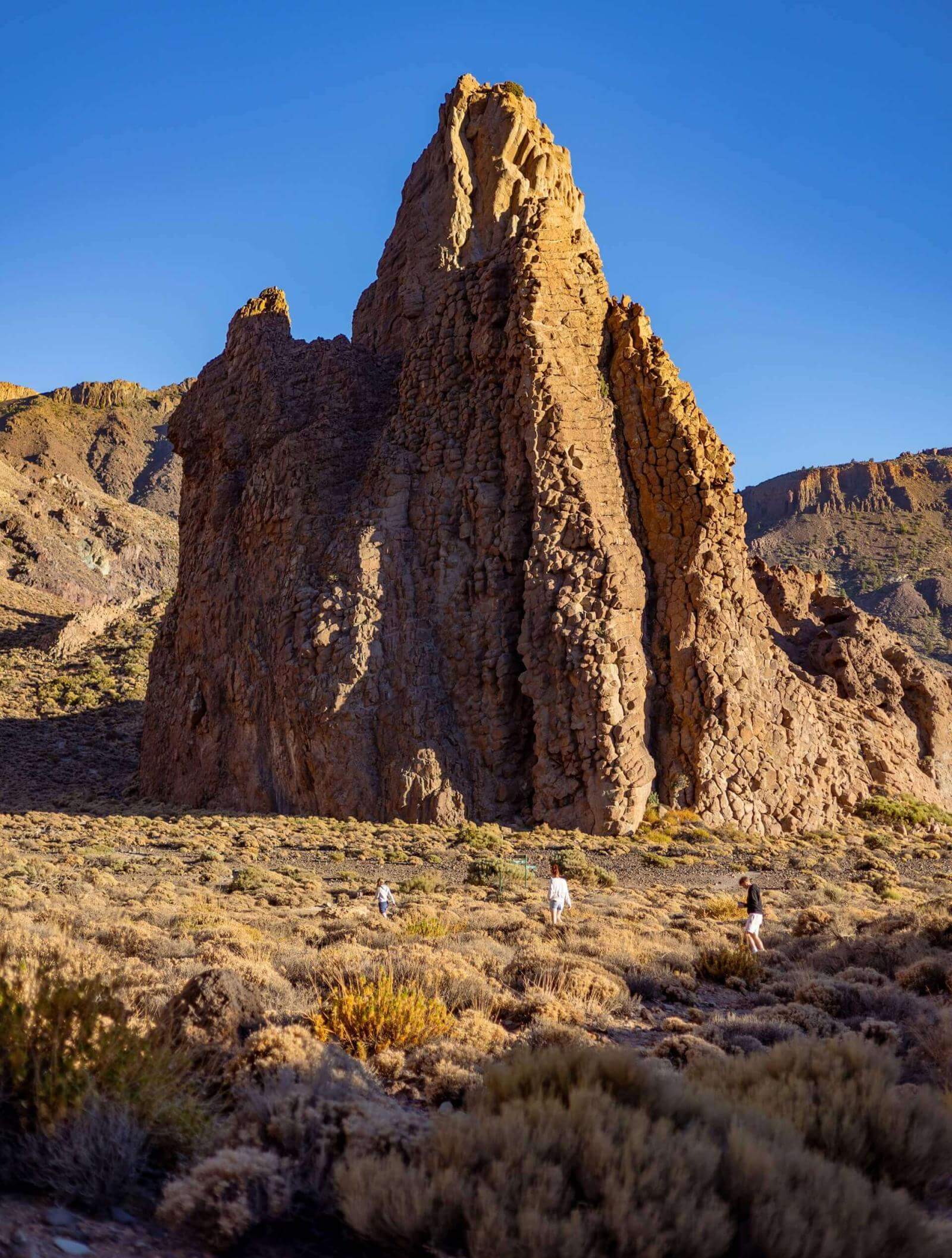
Explorers and ornithologists who expanded the natural history map
Interest in the fauna - and especially the birds - also attracted other important figures of natural history:
- Alfred Russel Wallace, co-author of the theory of evolution, never visited the Islands, but used them as an example of island colonisation and endemism, contributing to many European naturalists travelling to them, drawn by their biodiversity.
- Richard F. Burton, the British explorer, travelled through the archipelago in 1880. In To the Gold Coast for Gold, he describes the volcanic landscape and mentions the abundance of birds in the humid forests of the north.
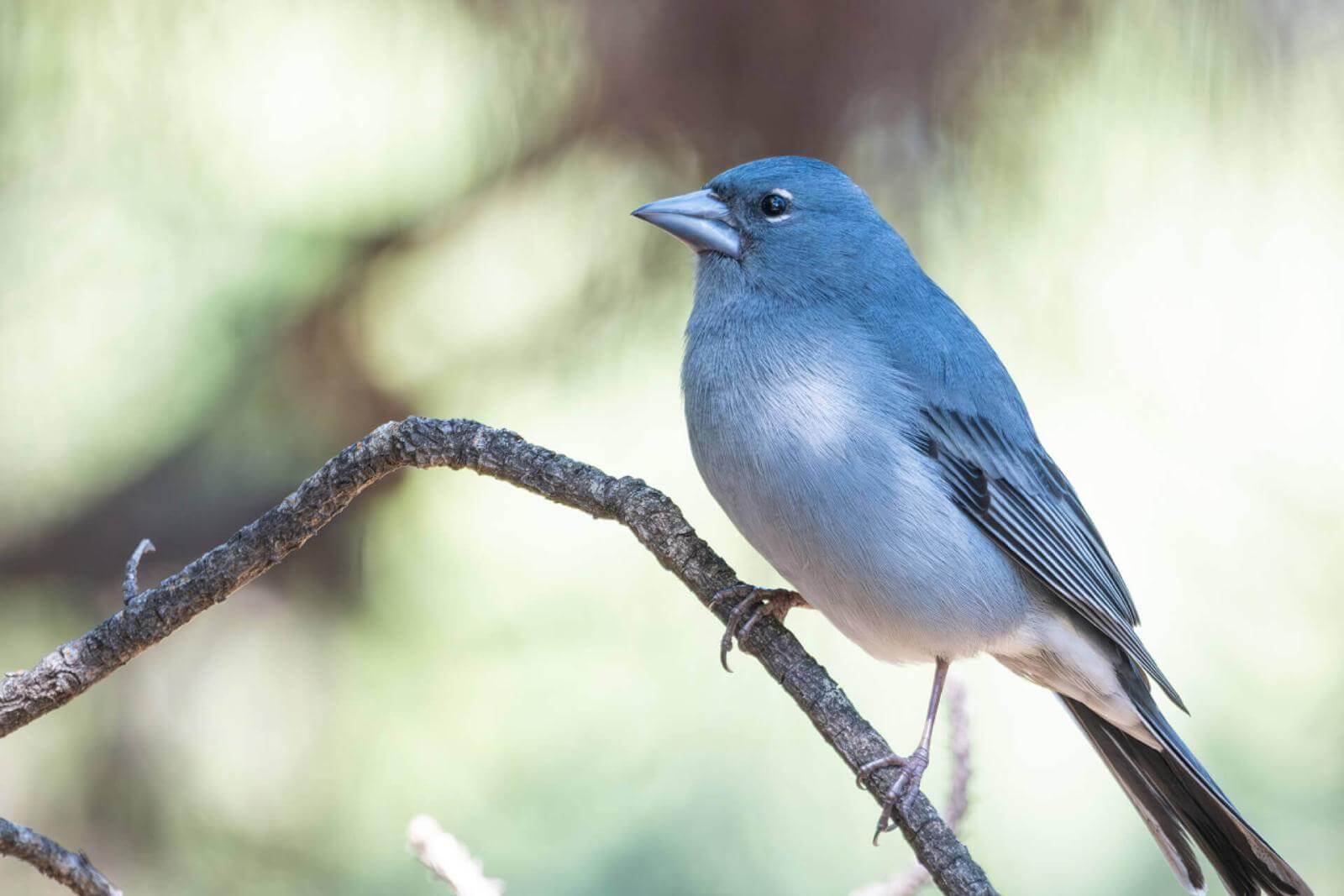
- Edwin Dodgshun, a 19th-century English ornithologist, visited Tenerife and compiled some of the first bird lists for the island, highlighting unique species such as the Tenerife Blue Chaffinch and the Laurel Pigeon.
- David Armitage Bannerman, one of the great British ornithologists of the 20th century, explored the entire archipelago and wrote Birds of the Atlantic Islands, a work that consolidated the importance of the Canary Islands in international ornithology.
All of them, from very different perspectives, were captivated by islands that continue to inspire the same fascination in today's birdwatchers.
Darwin and the dream of exploring the Canary Islands
Those who dreamed of studying Canarian nature also included Charles Darwin. Fascinated by Humboldt’s accounts, he saw the archipelago as a key place for understanding the relationship between climate, geology and biodiversity. He was drawn to the volcanic geology, the uniqueness of its island fauna, and the possibility of studying a nature shaped by oceanic isolation.
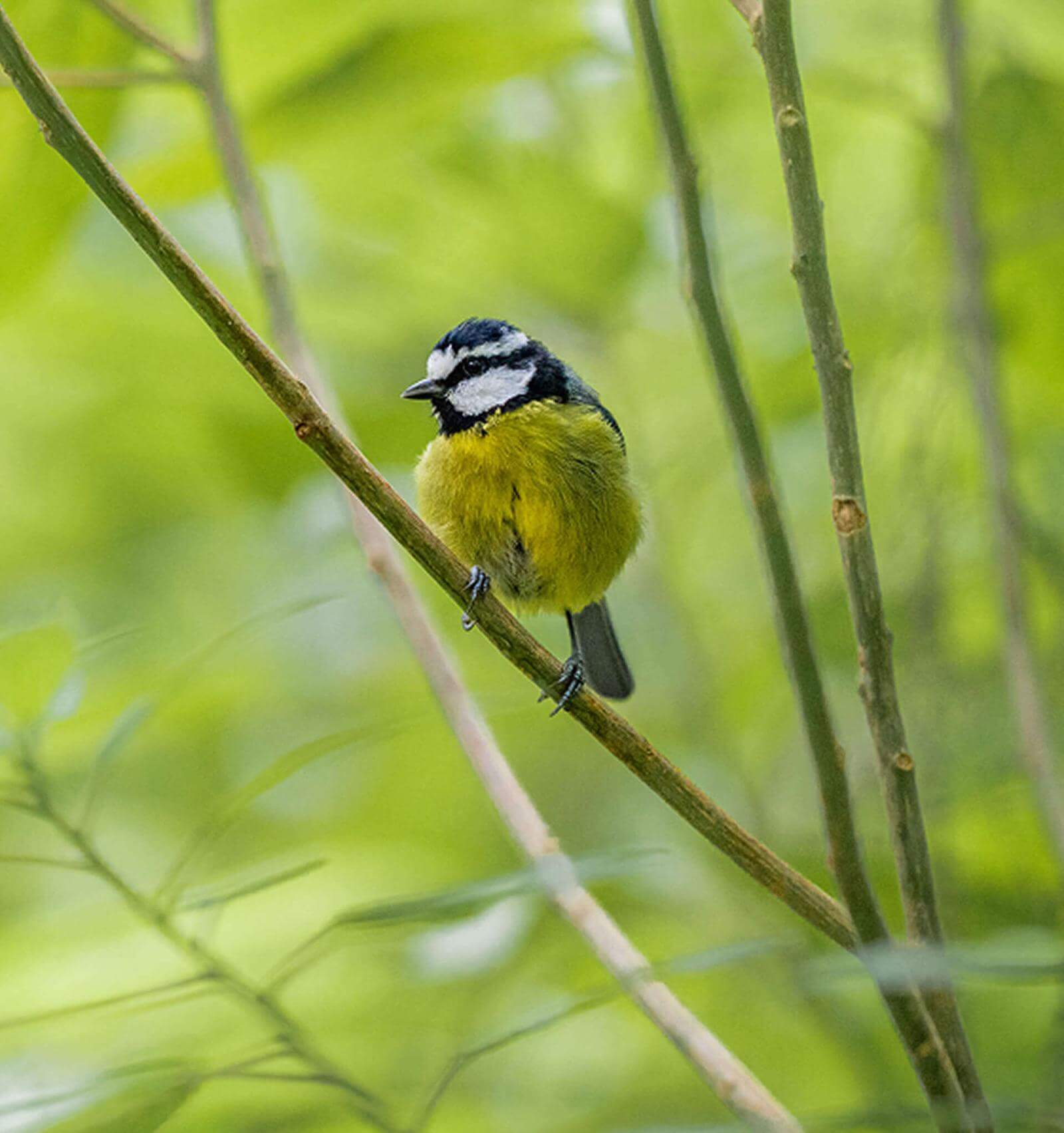
In 1832, during the voyage of the HMS Beagle, the ship anchored in the bay of Santa Cruz de Tenerife. However, a quarantine imposed due to a plague outbreak in British ports prevented them from disembarking. Darwin was thus left at the foot of Mount Teide, never familiarising himself with the volcanic landscapes or the birds that amaze travellers today: the Tenerife Blue Chaffinch, the Laurel Pigeon, the Canary Islands Chiffchaff or the endemic Blue Tit - species that would very likely have sparked the same scientific curiosity in him as the Galápagos finches.
From field notebooks to digital citizen science
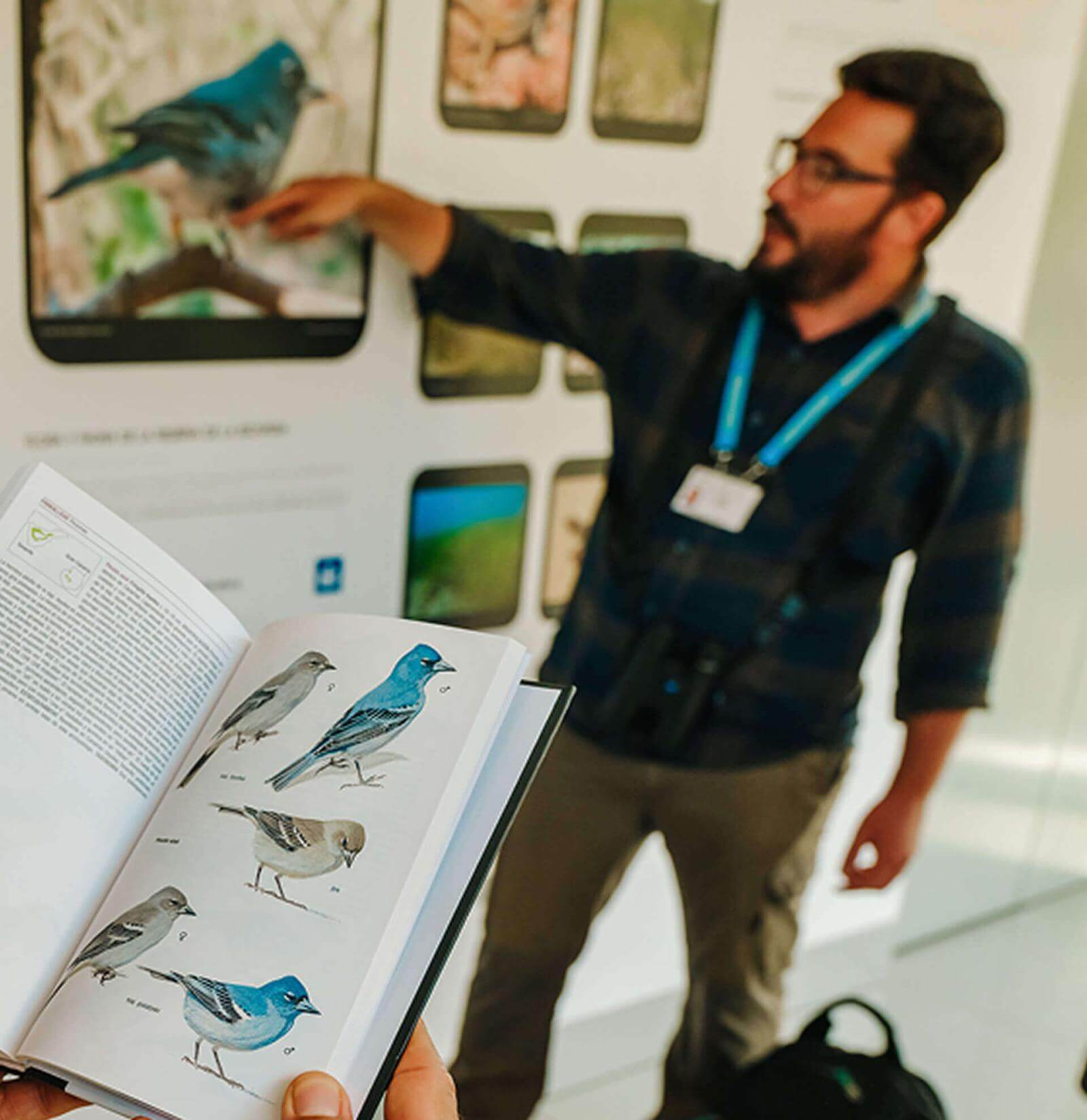
Today, travellers who practise birdwatching can follow in the footsteps of those naturalists using tools the latter could never have imagined. Citizen science platforms such as eBird, the world’s largest ornithological database, alongside Observation, iNaturalist or ORNITHO, allow users to record observations, discover points of interest, consult real-time distribution maps, and share lists with other enthusiasts.
In the Canary Islands, eBird gathers thousands of records each year that help to better understand bird migrations, the presence of rare birds, and the status of endemic species. Thanks to these tools, any traveller can become an explorer and contribute valuable data for conservation.