


Every year, bird migration moves billions of individuals that leave their breeding grounds in the northern hemisphere and fly south in search of food and a milder climate to survive the winter. This journey, observed since ancient times, has captivated humanity and continues to astound with its scale, its difficulty, and the beauty exuded by one of nature’s great phenomena.

A long, demanding journey with a layover in the Canary Islands
Migratory birds are authentic athletes. Flying thousands of kilometres each season, non-stop and guided by instinct, requires a level of endurance that is hard to imagine.
Small migratory warblers, weighing barely ten grams, can cover up to 500 kilometres in a single night between stopovers. At each stop, they rest, feed and double their weight to gather the necessary energy before continuing.
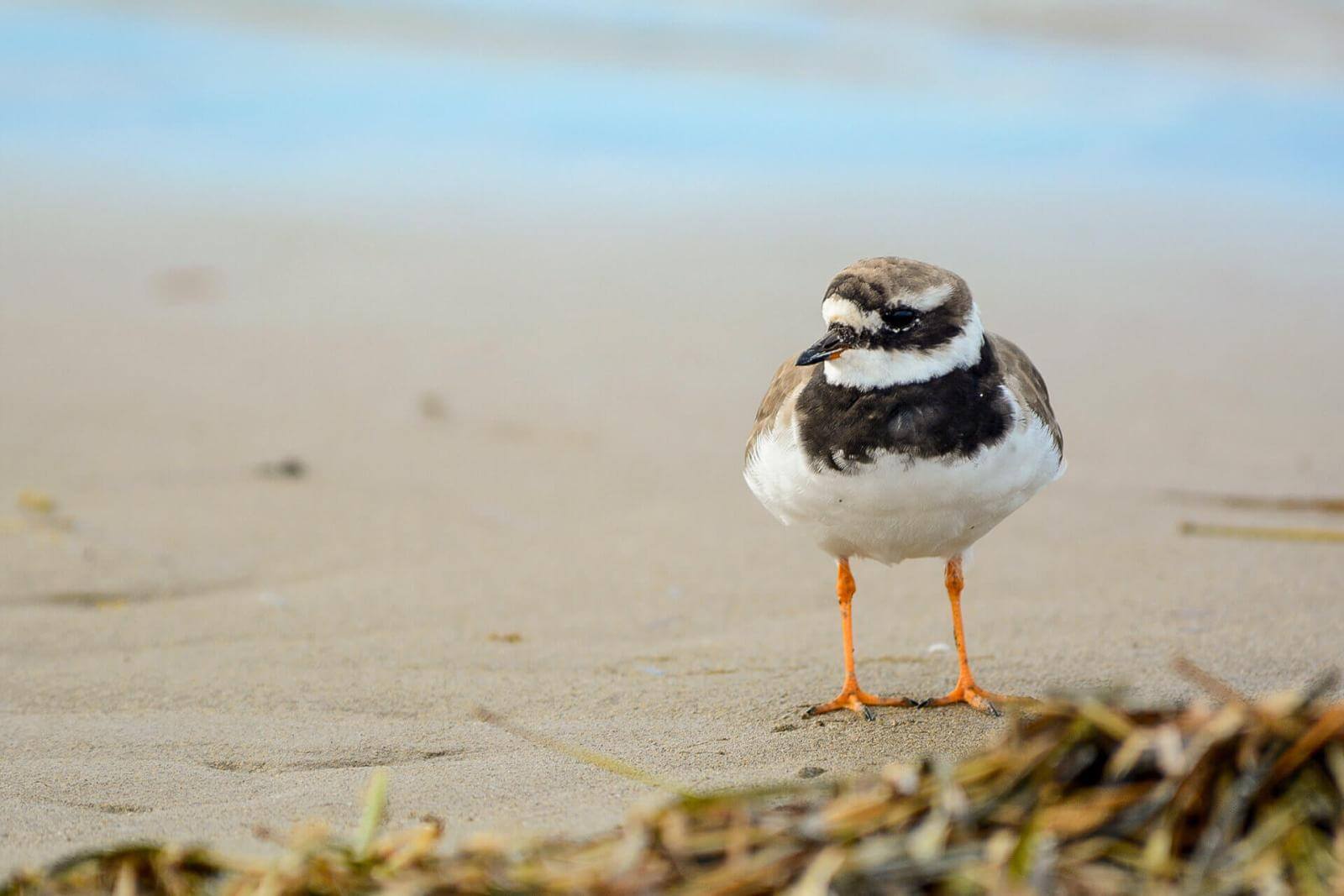
Migration typically coincides with the beginning and end of winter: between August and November, many species travel to their winter quarters in warm, tropical regions; while between February and May, they embark on their return to their breeding grounds in the north.
A sanctuary for migratory birds
Although the Canary Islands are not at the heart of the major migratory flyways, thousands of birds arrive each year in search of rest, food, and refuge. To date, over 300 migratory species that do not breed on the Islands have been recorded. Some are genuine rarities, observed only on infrequent occasions; others, however, are repeat visitors every winter.
Most of these birds come from central and northern Europe, the Arctic Circle, and even the Siberian tundra. Thanks to metal rings recovered by ornithologists, individuals from Canada, Finland, Iceland, Russia, Poland and England have been identified.
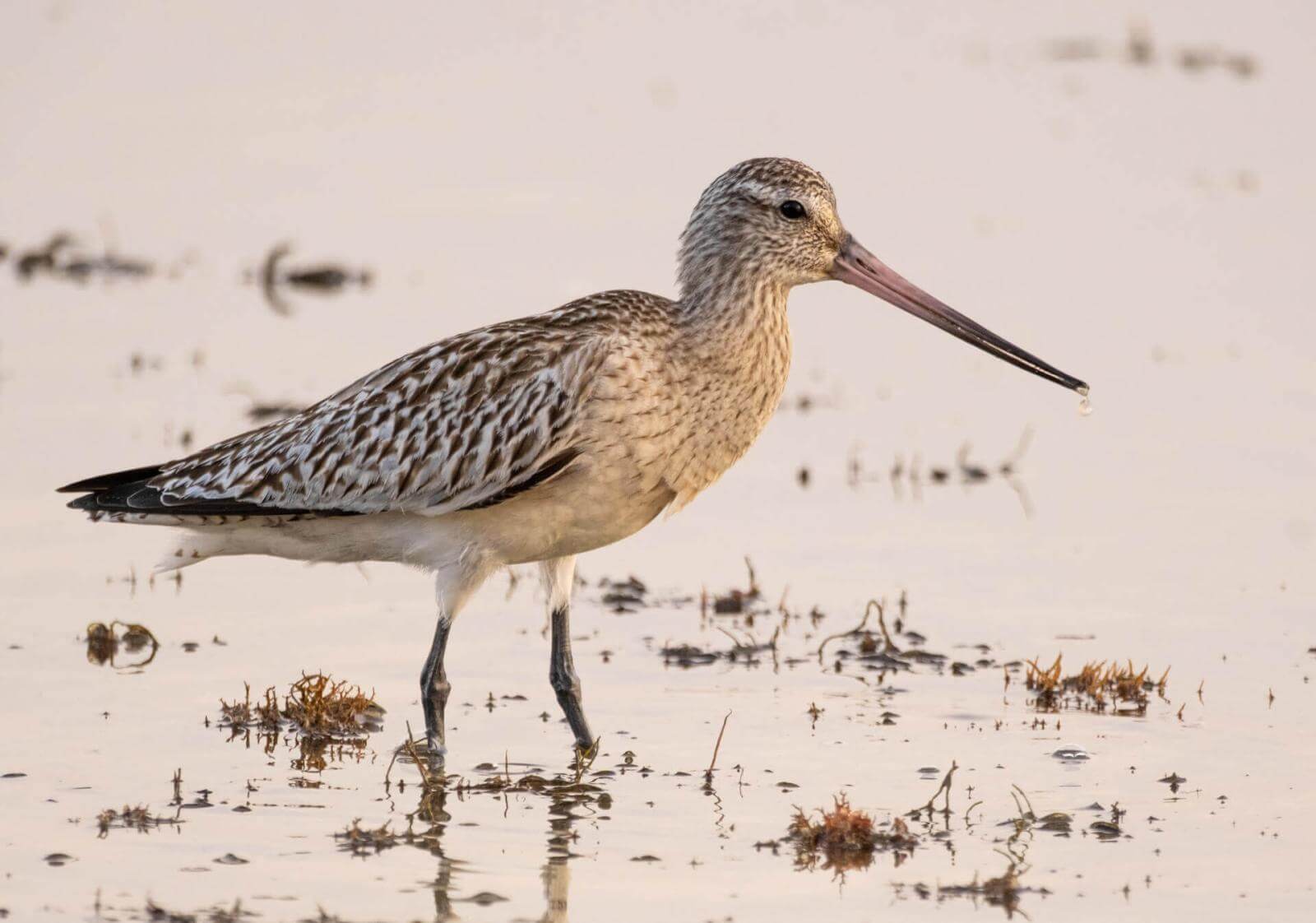
Witnessing their arrival is one of the great privileges of the Canarian winter. Places like the Salinas de Janubio saltworks in Lanzarote, the shallows of Corralejo and Sotavento beach in Fuerteventura, Charca de Maspalomas in Gran Canaria, Punta del Hidalgo in Tenerife or the Salinas de Fuencaliente saltworks in La Palma are some of the best locations to enjoy species such as dunlins, curlews, godwits, plovers, terns, herons, egrets, and sandpipers, among others.

The two main migration periods
The spring migration period, from February to May, is the richest in terms of species diversity. It is often marked by mass arrivals of birds, favoured by easterly or south-easterly winds. During these months herons, swallows, House Martins, bee-eaters, Lesser Whitethroats and flycatchers are abundant, among many others.
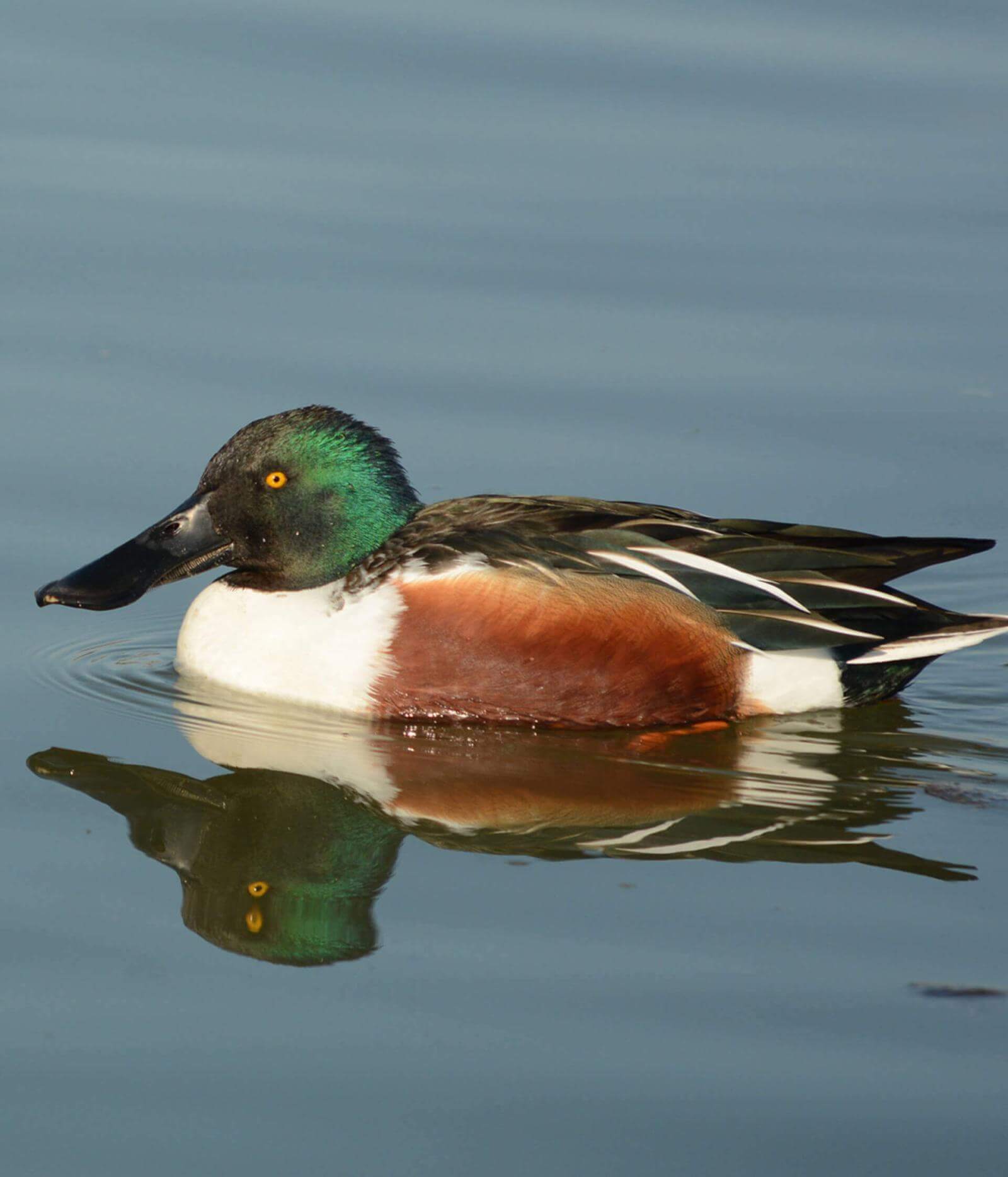
The autumn passage, which runs approximately from August to November, is less varied in land-based species but sees a notable presence of waders, ducks and seabirds.
A destination for seekers of rarities
The geographical situation of the Canary Islands - midway between Europe, Africa and America - makes the archipelago an exceptional place for observing rare birds during the autumn months.
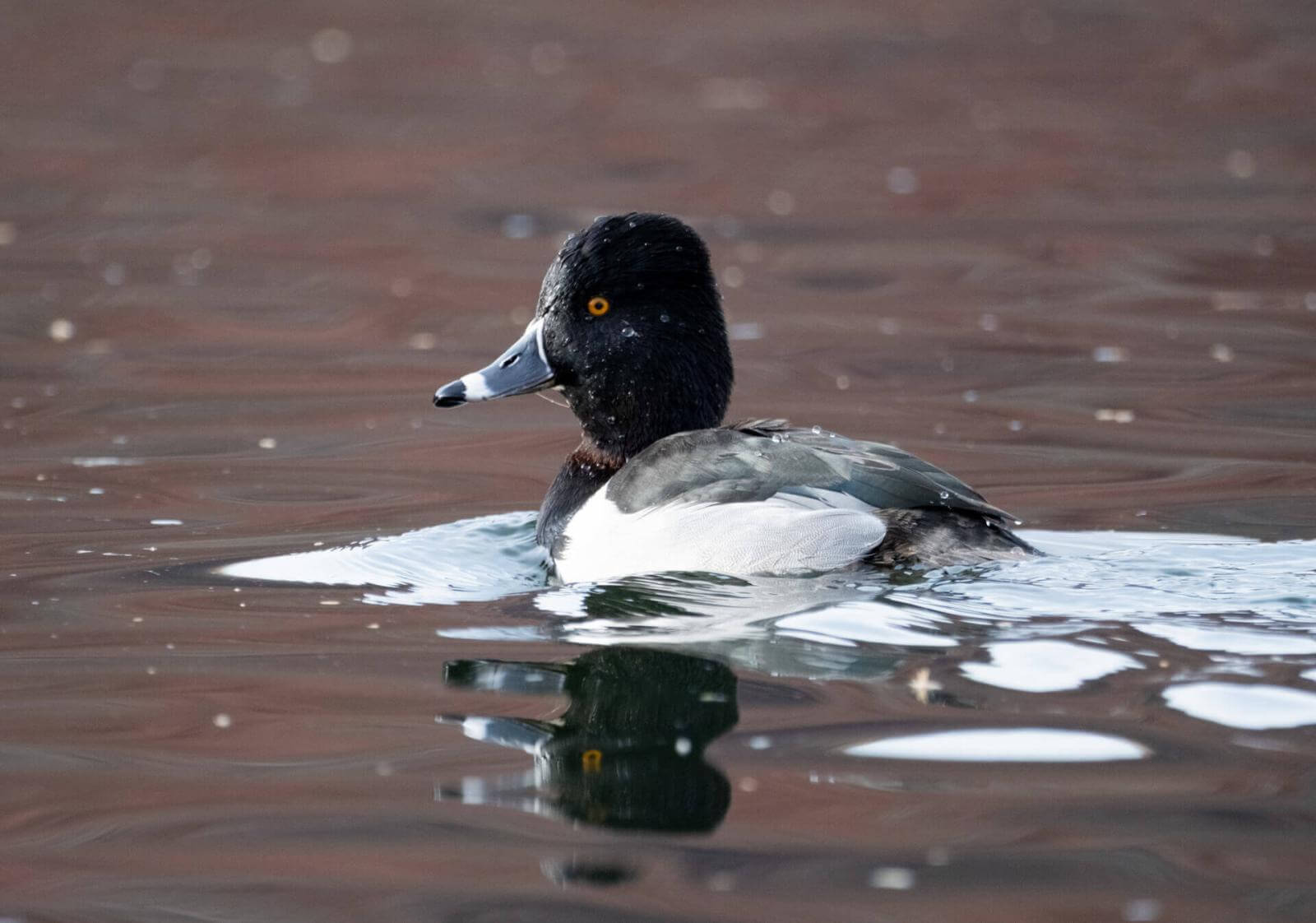
At this time, birds of Nearctic origin, coming from the American continent, can arrive. These include the Ring-necked Duck (Aythya collaris), the American Wigeon (Anas americana), the Blue-winged Teal (Anas discors), the White-rumped Sandpiper (Calidris fuscicollis), the Pectoral Sandpiper (Calidris melanotos), the Semipalmated Sandpiper (Calidris pusilla) and the Ring-billed Gull (Larus delawarensis), among many others. In total, nearly fifty rare species have been recorded. These birds are usually seen above all in the coastal areas of the south of La Palma, Tenerife, Gran Canaria and Lanzarote.
During the winter months - especially January and February - uncommon Afrotropical species can also be observed, such as the Allen's Gallinule (Porphyrula alleni) or the Brown Booby (Sula leucogaster). Rarities of Asian origin, which are scarcer, such as the Citrine Wagtail (Motacilla citreola) or the Red-footed Falcon (Falco vespertinus), can appear during spring, coinciding with the migration of trans-Saharan birds.