


When it comes to El Hierro, all roads lead to Valverde. The north-eastern municipality is not only the gateway to the island by sea and by air - it is also a journey through stunning nature, a vast history and above all, a future as bright as it is sustainable.
A green heart
The name of the municipality, Valverde, is no accident. Venturing beyond the island’s volcanic coastline, the first inhabitants found a lush valley painted with a fascinating palette of greens. An experience that can still be relived today by taking one of the many trails that connect all the different points in the municipality, a legacy of ancient times when the local population would embark on la mudada, a seasonal migration from one part of the island to another in search of warmer temperatures, pastures for livestock and seasonal crops to gather. Today, all these paths are perfectly signposted hiking trails and routes, offering walkers a host of possibilities. One of the most popular, however, is the La Llanía Route, a very accessible circular route that quickly allows you to discover laurissilva forests, fayal-brezal (endemic woodlands) and volcanic landscapes like those of the caldera of Hoya de Fireba, Bailadero de Las Brujas or those afforded by the La Llanía viewpoint, a stop along the way with its own fountain.
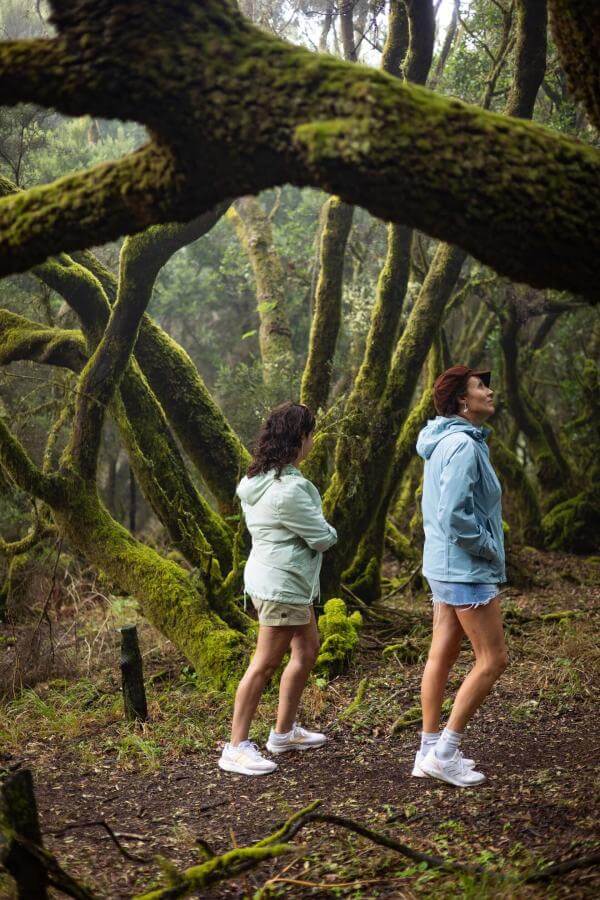
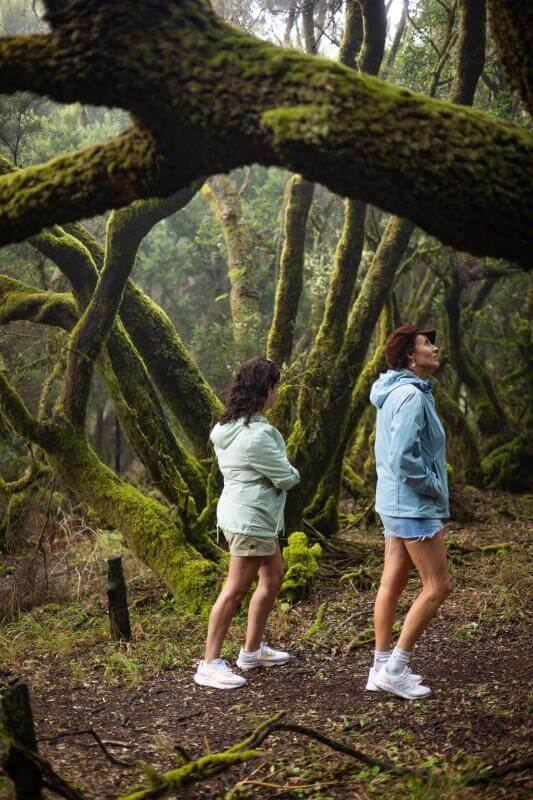
In the heart of the municipality lies the Ventejís Protected Landscape, a rural area covering 1,143 hectares that is home to the Garoé tree, one of the best-kept secrets of the ancient indigenous people, the Bimbaches. This tree was deemed sacred because of its ability to distil water from horizontal rainfall, which not only prevented the inhabitants of El Hierro from dying of thirst, but also allowed them to evolve as a society and leave behind an impressive legacy. La Albarrada, one of the island’s first settlements, is also located in the area. Although it is now uninhabited, its stone walls surrounded by nature can still be visited.
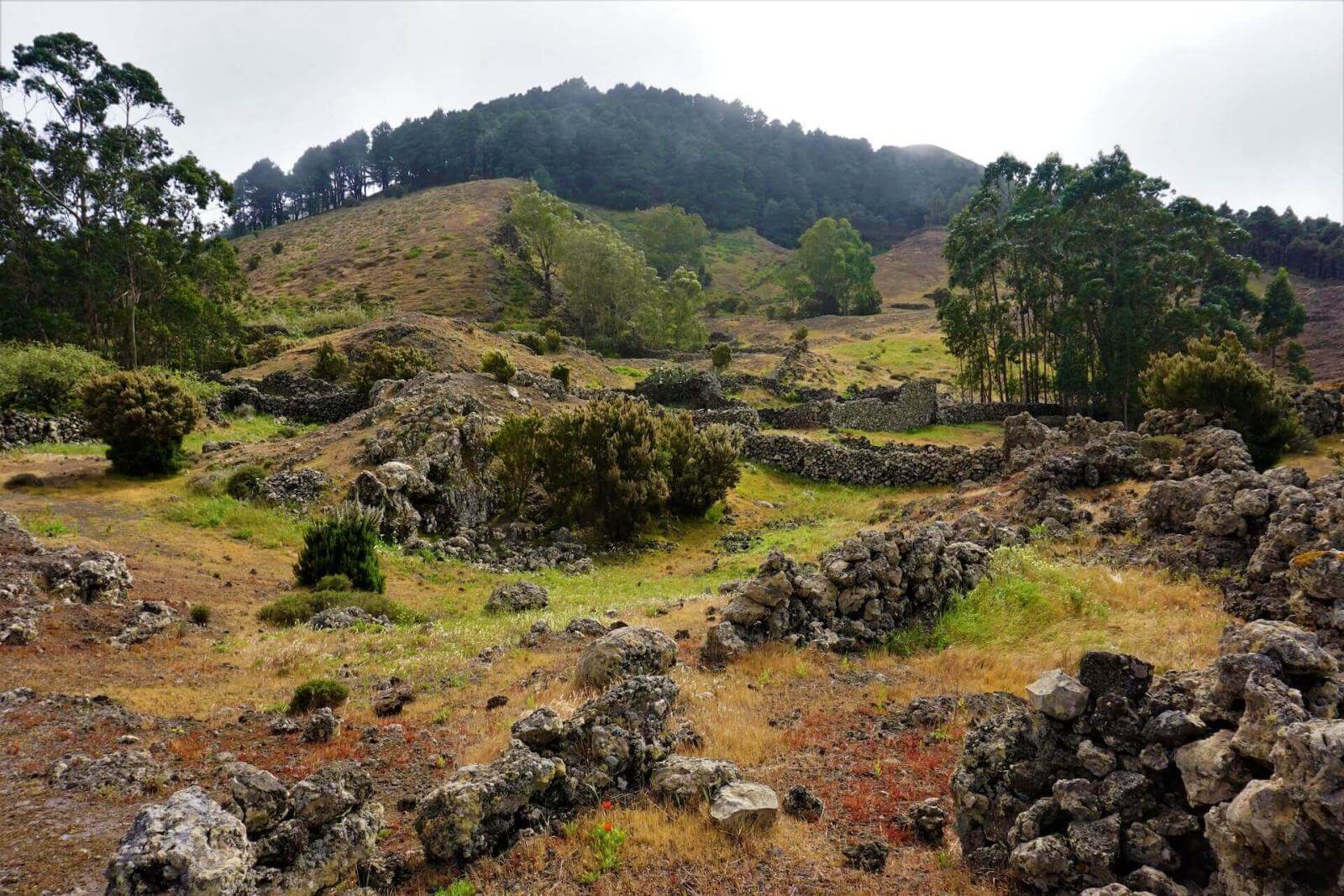
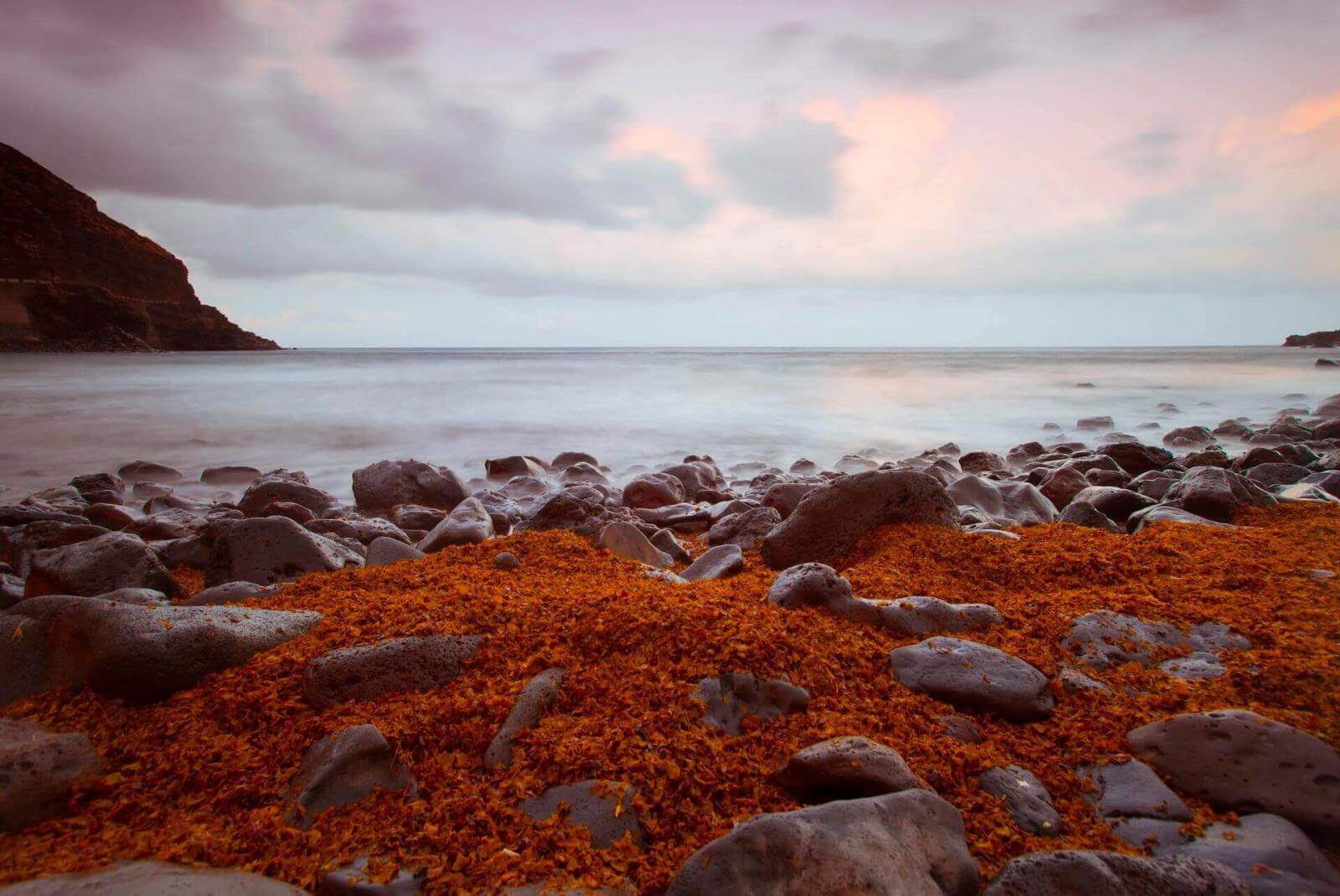
On the eastern side of the municipality is the Timijiraque Protected Landscape, a nature reserve of great geological value where you can discover extremely rare plants such as lengua de pájaro or cardonales (endemic plants of the Canary Islands). Its coastal location and spectacular views are an unbeatable combination for anyone seeking an invigorating walk that ends with a refreshing dip.
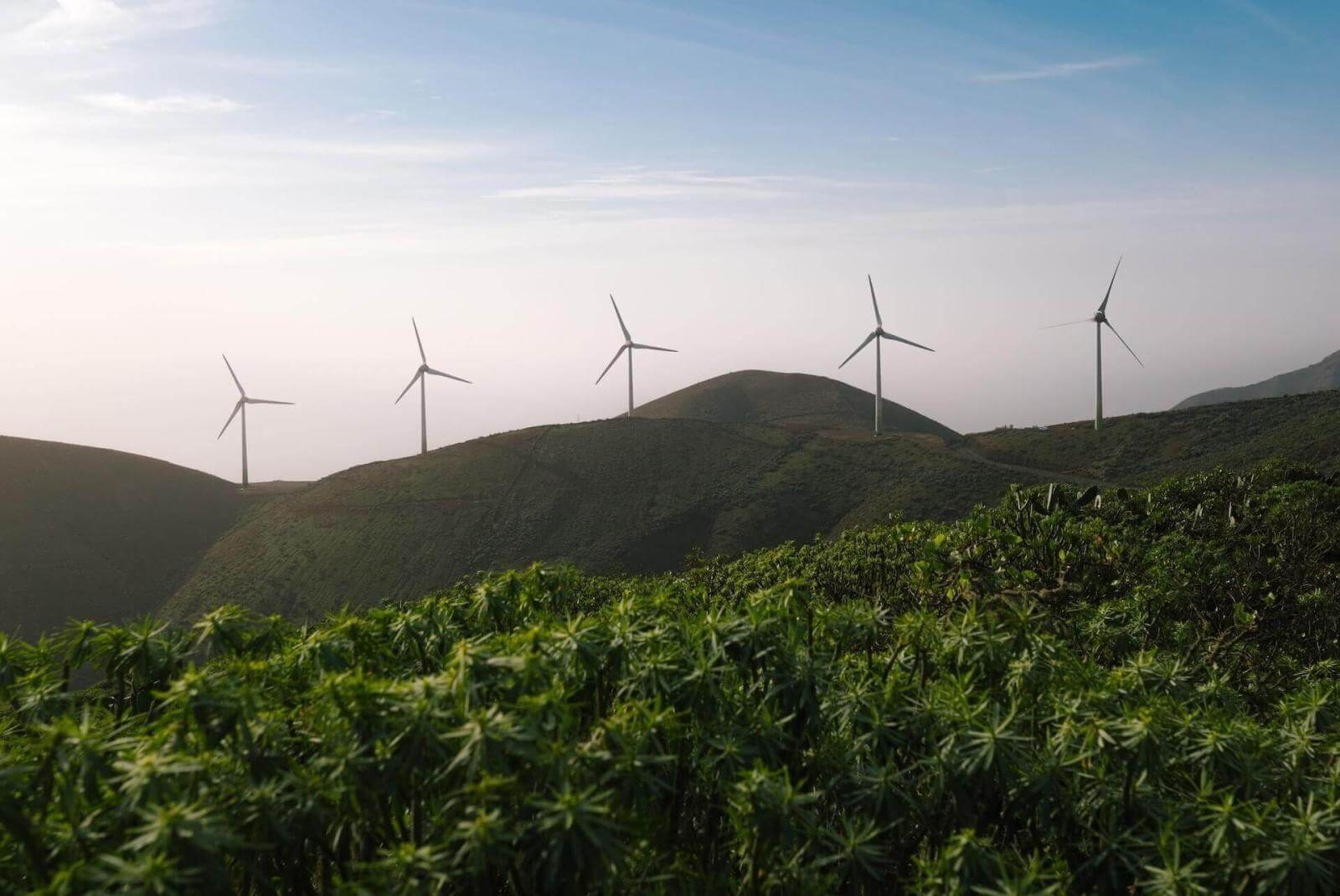
And speaking of energy, Valverde is also home to Gorona del Viento, the wind-pumped hydro power station that supplies the whole island with clean, sustainably sourced energy. Visible from different places around the island, its five wind turbines have become a veritable symbol of progress for the islanders and the scientific community alike. Its model, based on the power of air and water, was a world first and has already been exported to other countries, such as Cape Verde. This authentic feat of engineering can be visited by prior appointment.

The many ways of enjoying the sea
If there is another colour that defines Valverde, there can be no doubt that it is blue. Like the rest of the island, the municipality lives its life open to the Atlantic Ocean, which it enjoys in a thousand and one ways through the different beaches and natural swimming pools dotted all along its coastline. The bathing areas are a meeting place for the local residents, as one can see from the services available. As well as the basics, many of them have picnic areas and built-in barbecues.
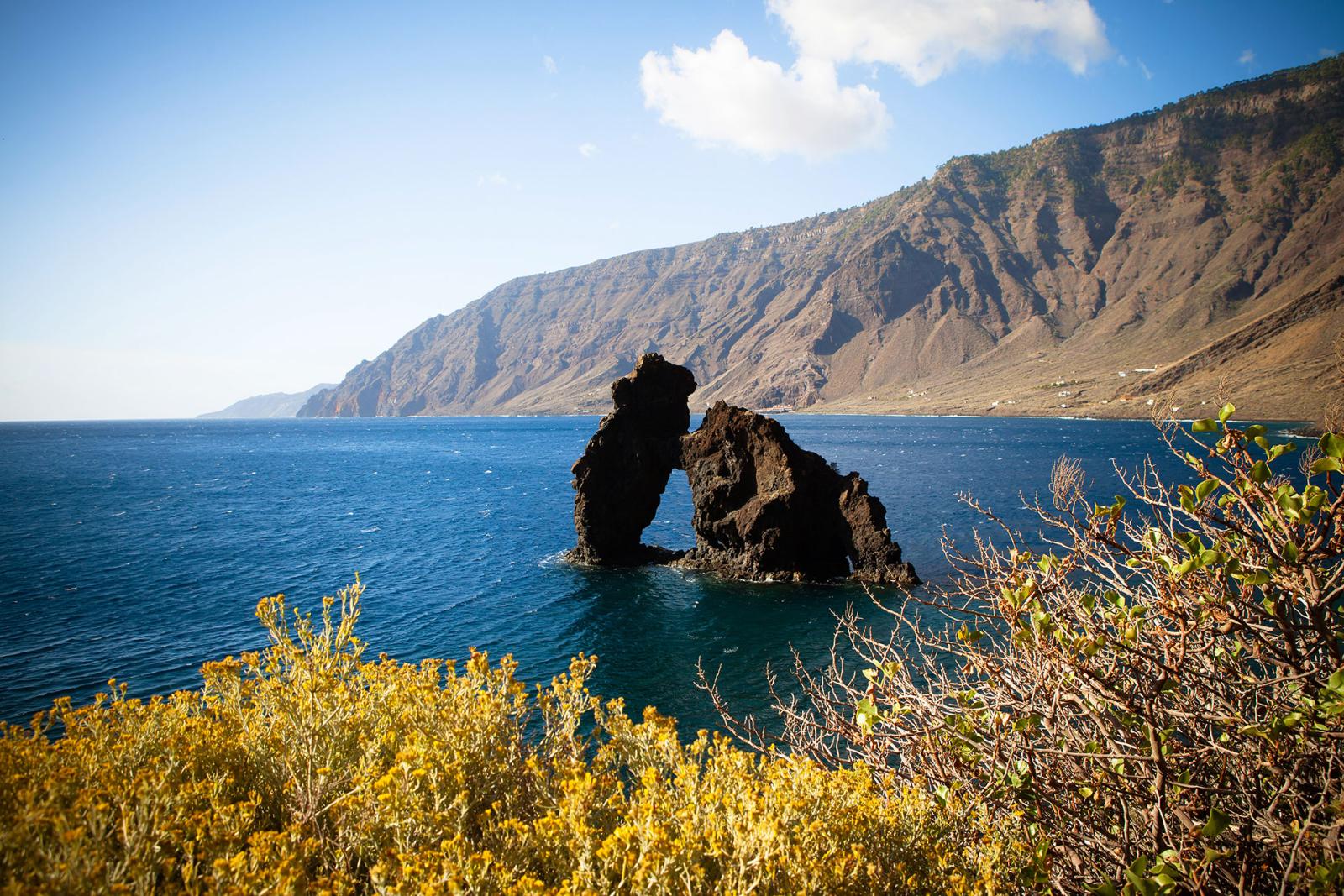
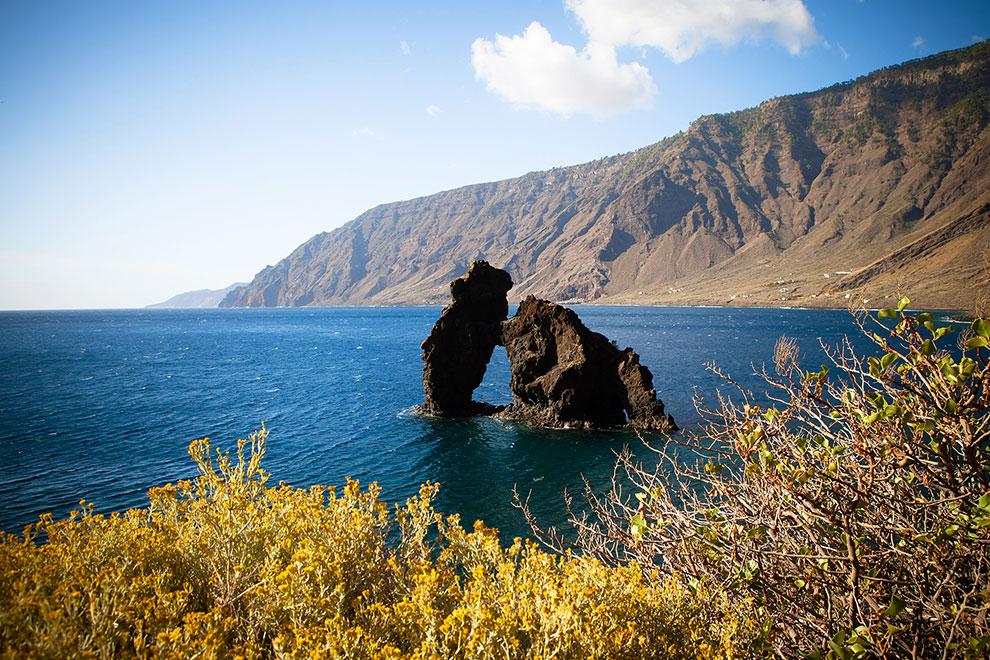
Choosing the ideal place for enjoying the waves can be the most complicated part, as there are all kinds of options. In the far north is Tamaduste, a little village by the sea which for many years has been a summer resort for the inhabitants of El Hierro themselves. Its colourful streets are just the prelude to one of the liveliest beaches in the municipality, where you can enjoy different water activities, like bodyboarding. Diving and snorkelling enthusiasts, on the other hand, tend to prefer Las Playas - Playa del Pozo, an unusual beach of black sand and pebbles from which one can reach Roque de Bonanza. Located just a few metres from the coast and easy to swim to, this curious natural monument is home to various marine species, making it almost mandatory to go with goggles and a snorkel.
Very close to the airport is the popular Varadero beach, a picturesque bathing spot with a local spirit that offers amenities such as showers, a solarium and adapted access for people with reduced mobility.
And as if these weren’t enough options already, the municipality of Valverde also has several natural swimming pools, several of which are among the most beautiful on the island. A good example of this is Pozo de las Calcosas, in the north of the island. Not only does this unique village made of stone with old, thatched roofs allow you to immerse yourself in the most traditional architecture. Its steps lead to a series of dreamlike pools located beside a large tongue of lava which, depending on the tide, can be used as a solarium or a gentle entry platform into the open sea. Following the coast eastwards, we come to Charco Manso, a wild bathing area with crystal-clear waters surrounded by basalt arches and caves.

Streets full of colour and tradition
Valverde was the first populated area on El Hierro, and this is evident from the number of population centres scattered throughout the municipality. The first one you see is nearly always the Town of Valverde, the island’s nerve centre, with a bell tower that welcomes visitors taking their first steps on the island. It was founded in the 15th century and located inland in order to avoid pirate attacks, and is at present the only Canary Island capital that is not situated on the coast. Its cobbled streets serve as a guide to buildings like the church of Nuestra Señora de la Concepción, the town hall or the Casa de las Quinteras Ethnographic Centre or Casa del Conde, among other places.
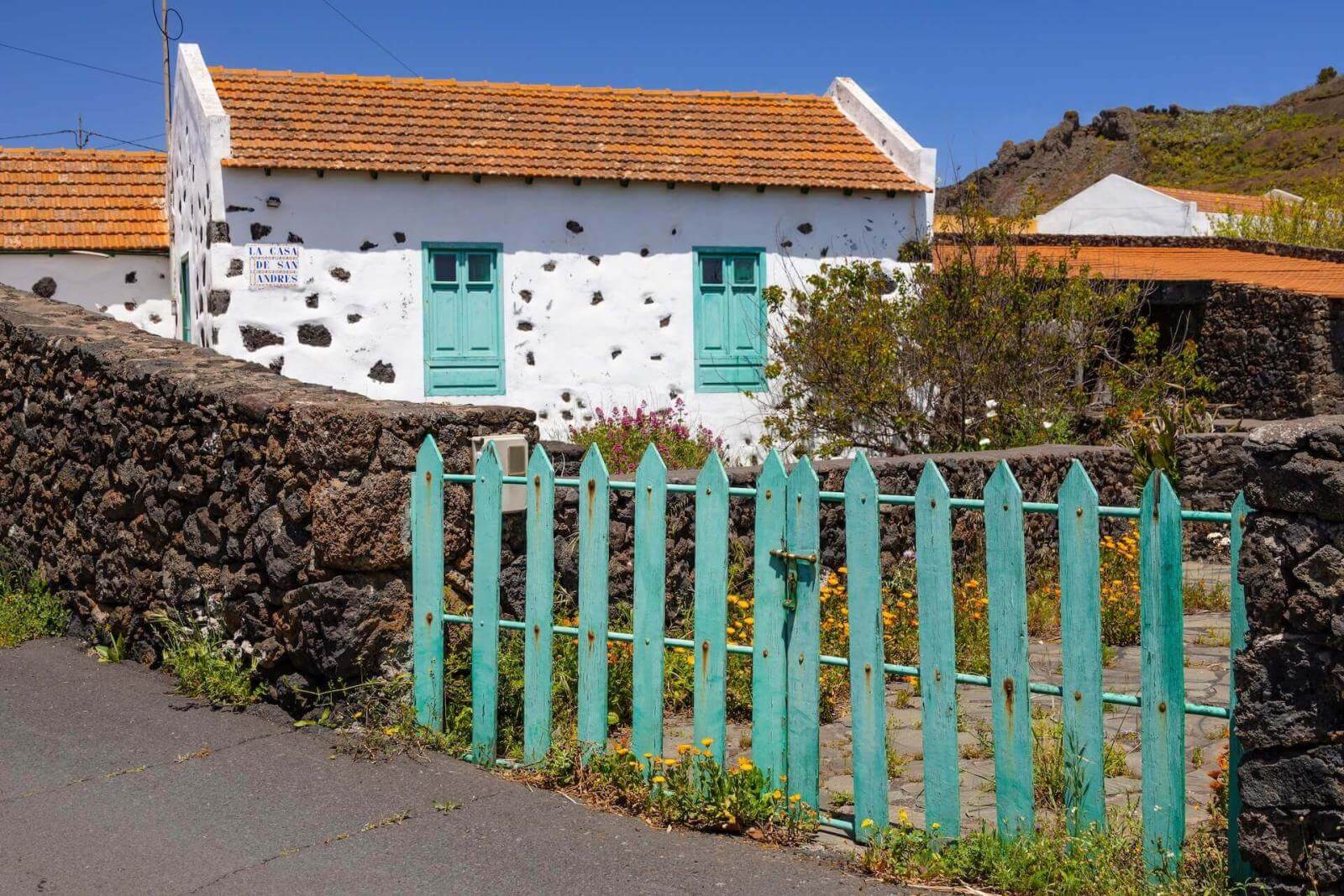
A few minutes south lies Tiñor, the smallest village on El Hierro, the perfect place for anyone looking for tranquillity and authenticity. Very nearby, in the middle of the Nisdafe plateau, lies San Andrés, the highest village in the entire island and one of the most charming ones, too. This picturesque village is surrounded by fields and orchards, an indication of its agricultural past and present. The centuries-old mansions here are perfectly preserved, making a stroll through the streets feel like travelling back in time. This feeling is heightened when you come across one of the many flocks grazing in the surrounding area. If you explore as far as the boundaries of the municipality, you will come to Isora, a beautiful town in the mid-altitude zone that has converted its old social club into the Biosphere Reserve Interpretation Centre. Isora is also famous for its spectacular viewpoint, which offers privileged views of the Natural Monument of Las Playas and Roque de Bonanza.
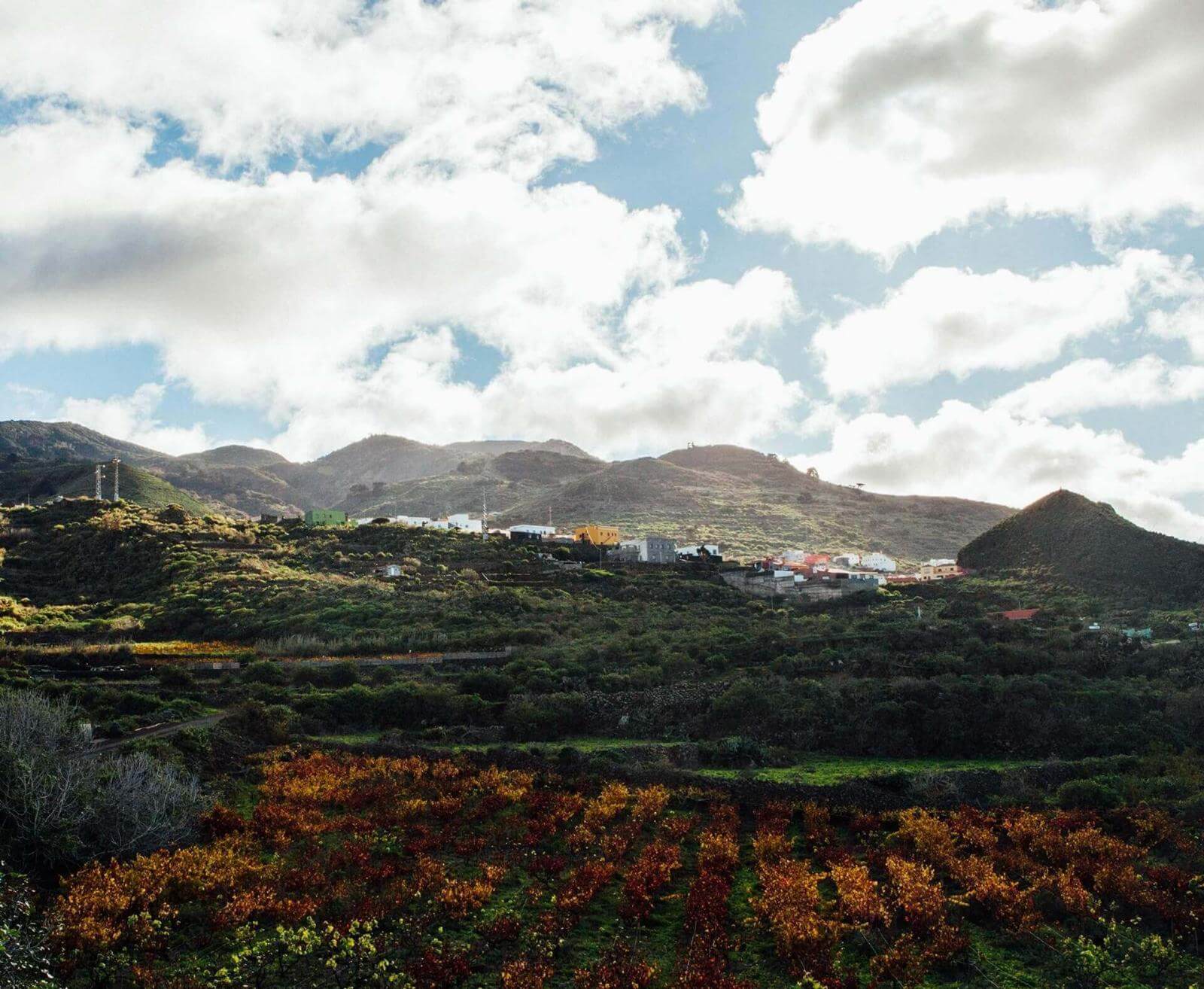
In the northern part of the municipality lies Echedo, home to vineyards. The people of El Hierro consider this area to have the best climate of the entire island, and this can be appreciated in the sweetness of the fruit that grows here, particularly the blackberries, as well as in its wines with protected designation of origin. Walking through the streets of this town is a real pleasure, an experience that can be extended for as long as you like, as Echedo is also the starting point or a stop along the way for various hiking trails.
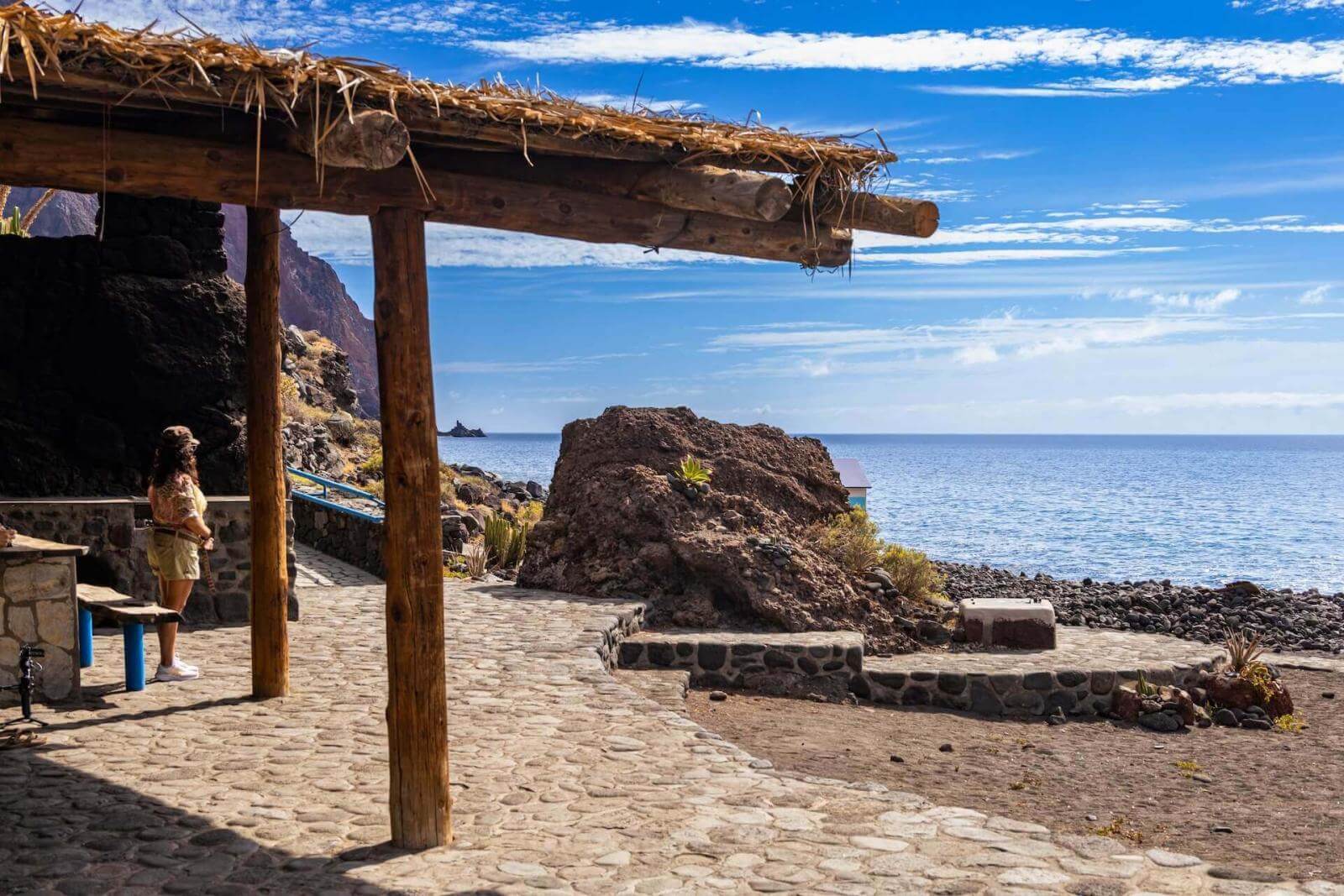
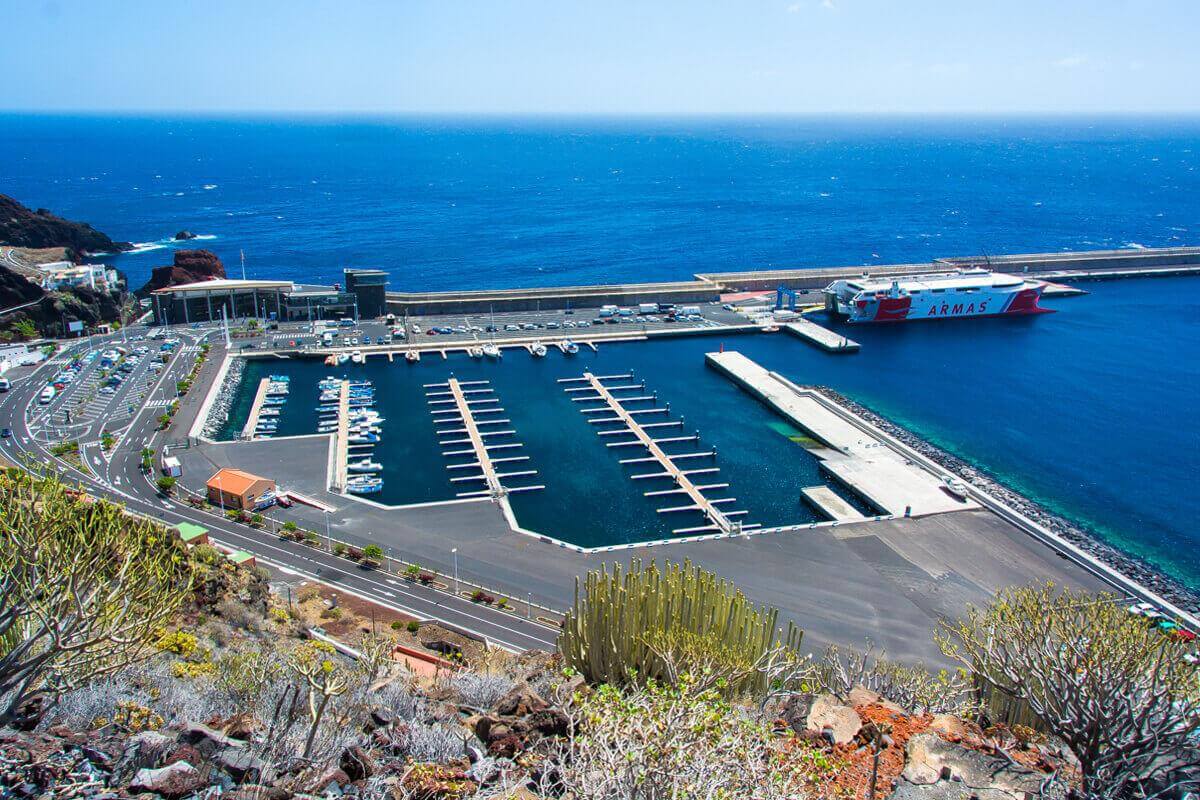
Valverde also has towns overlooking the sea where you can enjoy the breeze and the waves, and sample typical dishes made using fresh fish. In addition to the Port of La Estaca, located on the east coast, the municipality is home to Timijiraque - a village where there used to be salt pans - Las Playas and of course, La Caleta, a coastal enclave with a surprising bathing area that is extremely popular with families and adventurers with a thirst for different places.

A stroll through the heights
The natural beauty of Valverde is not only appreciable at ground height. The islanders have taken advantage of the island's vertical relief to create different viewpoints for contemplating the peaceful landscapes of El Hierro from multiple perspectives. In the north of the municipality, very close to Guarazoca, is probably the island’s most popular viewing platform: the La Peña viewpoint. From here, you can not only contemplate the imposing El Golfo valley in all its splendour, learn a little more about the Canarian architect César Manrique, who created this lookout point, and accompany the whole experience with a coffee or dinner at the viewpoint itself, which was declared a Site of Cultural Interest decades ago.
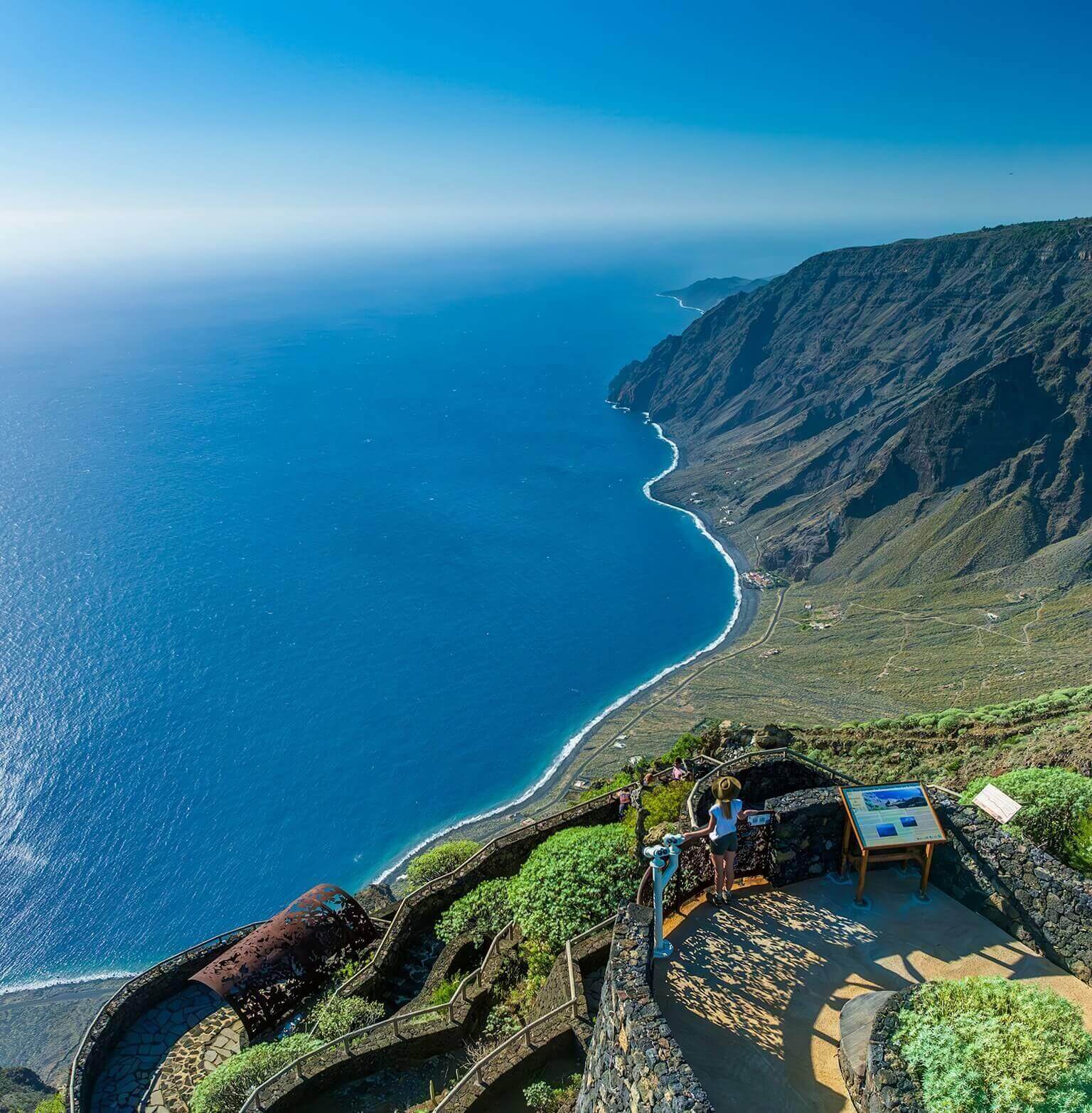
At the other end of Valverde, separated by just four kilometres, are two other observation gems. The Las Playas viewpoint is set at an altitude of over 1000 metres, offering panoramic views of the bay and the Las Playas Natural Monument. The views here are unbeatable by day and by night, as it also serves as a vantage point for observing the starry sky of El Hierro. It is not the only option, however, as Valverde still has more to offer for those seeking something different. This is the case of the Las Pernadas viewpoint, a modest balcony located on the HI-5 road itself from where the Montaña del Tesoro mountain merges with the Tamaduste coastline and the comings and goings of boats and aeroplanes in a single landscape.