


The north-western municipality is the smallest on the island, but also one of the ones with the most hidden treasures. An area with magical nature and charming villages intermingled all along the length, breadth and height of the valley of El Golfo and La Dehesa.
A protected environment
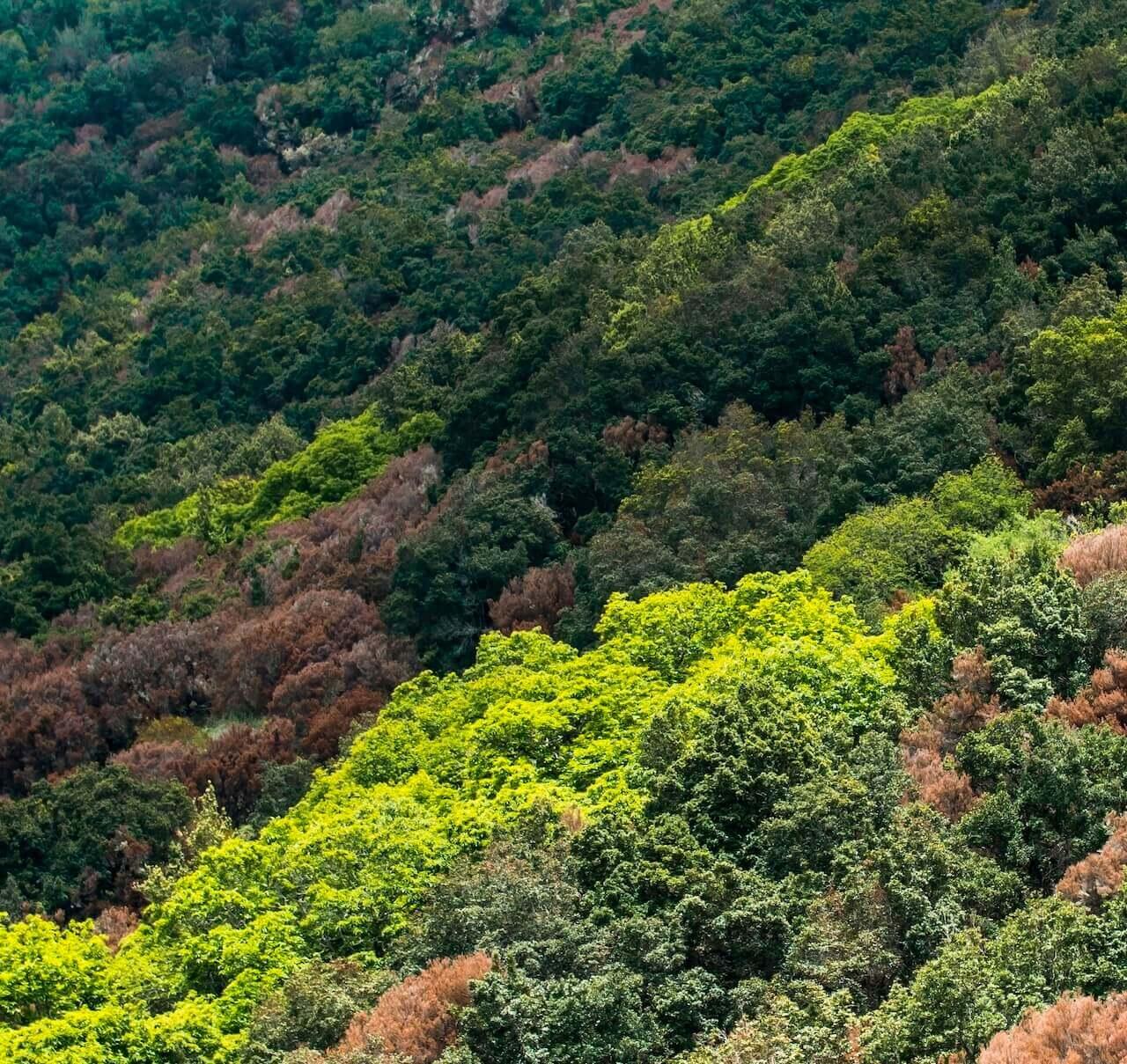
The municipality of La Frontera takes its name from the abrupt change in terrain that occurs upon entering it, although it could also be because it is the gateway to landscapes that are as fascinating as they are (on occasions) unfamiliar. The many areas of great natural value mean that practically the entire area is protected. This is the case of the Special Nature Reserve of Tibataje, the Mencáfete Integral Nature Reserve, the Los Roques de Salmor Integral Nature Reserve and of course, the Frontera Rural Park, in the heart of the island. The trails that run through this area of over 12,000 hectares inspire visits to volcanic cones or hikes through both forests and more arid areas. If time is short, the place to go is Hoya del Pino, a peaceful recreational area surrounded by laurissilva forest and a very accessible circular route that leads into the woods to discover places such as the Chapel of San Salvador.
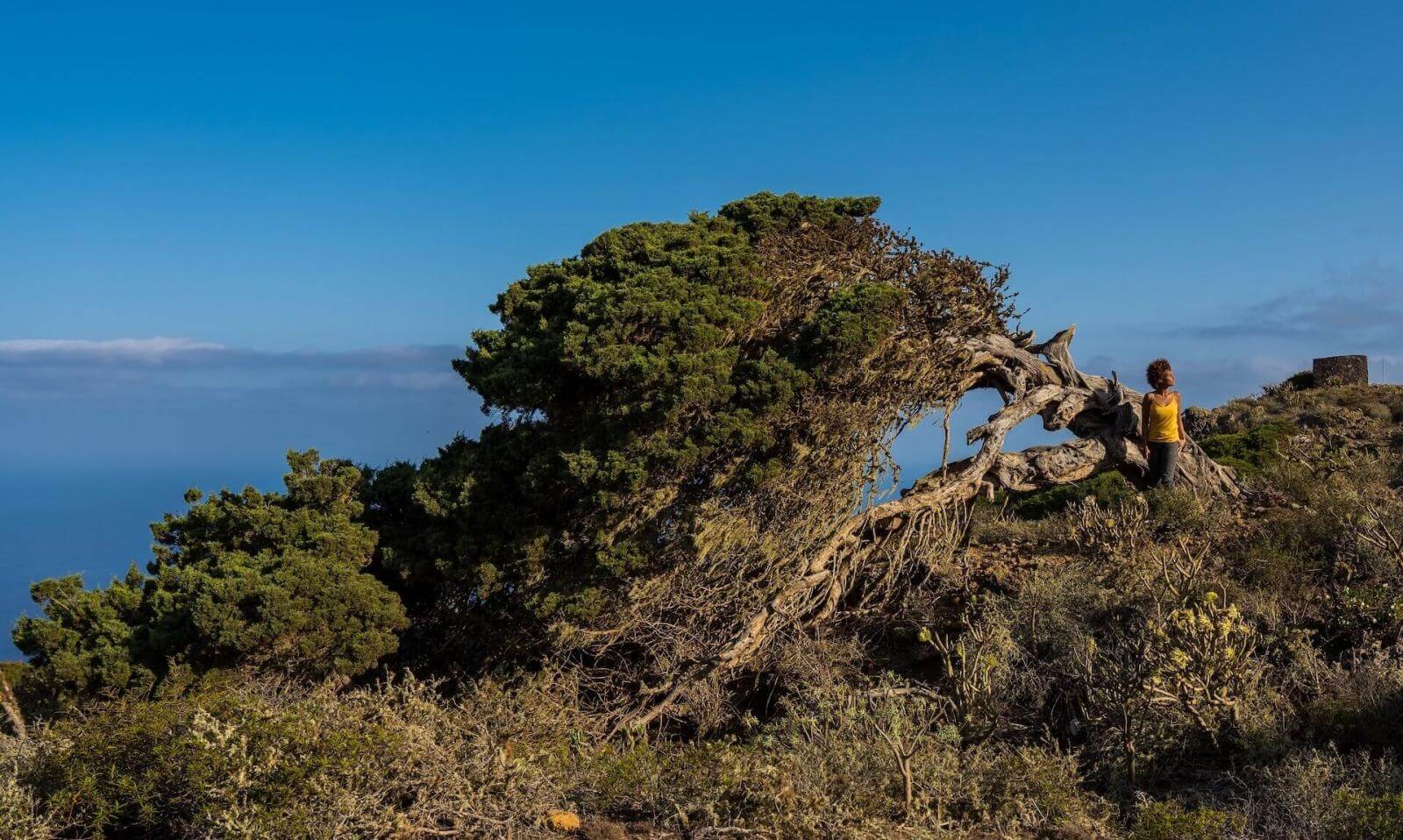
Among the pasture lands of La Dehesa, at the western end of the island, there are hidden surprises, like El Sabinar. In this vertical environment, the trade winds have forced the vegetation to adapt, creating a fairytale forest where sabinas (an endemic bush with very small, dark green leaves) acquire unimaginable shapes.
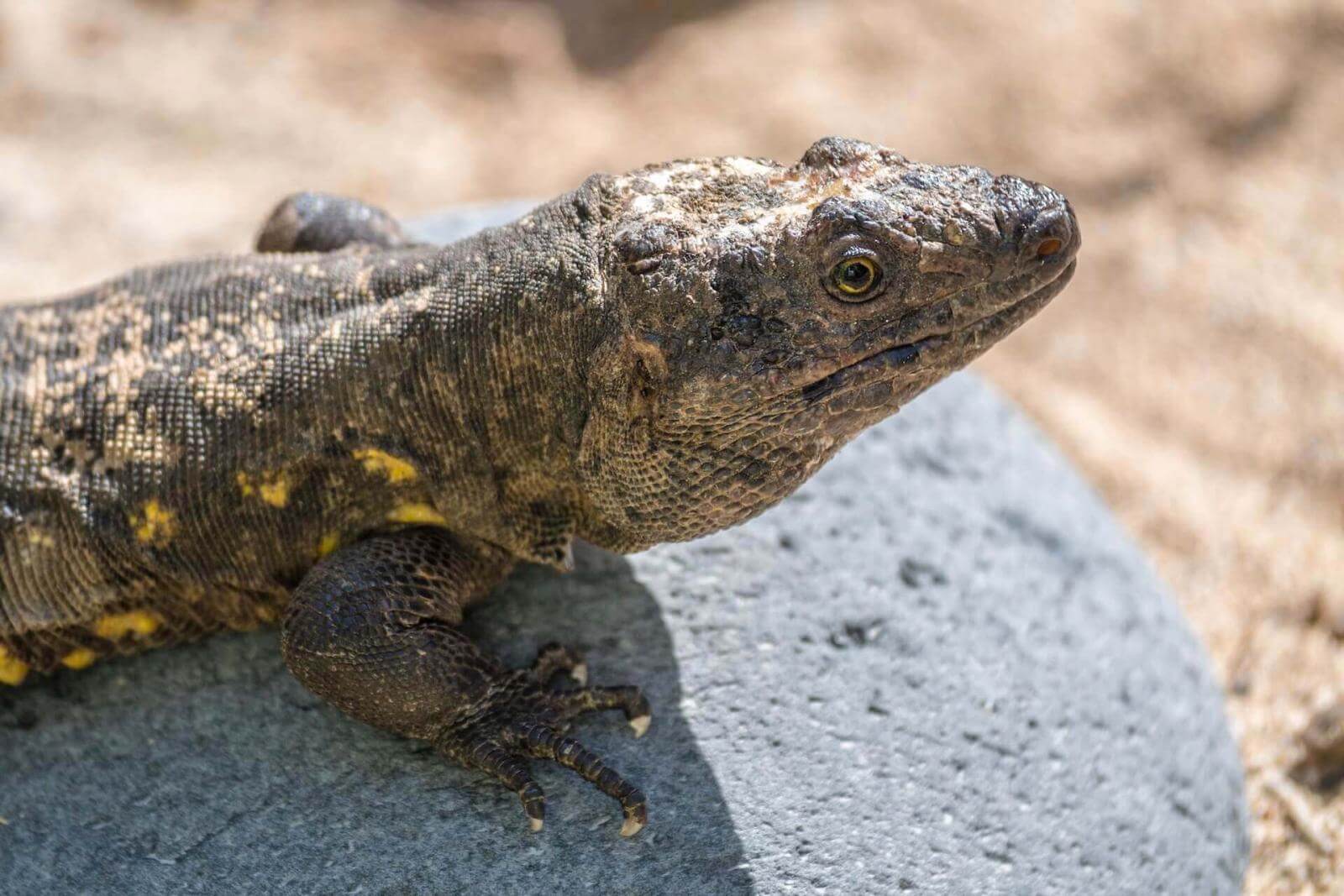
The municipality is also home to an animal that is as unique as it is characteristic of the island: the El Hierro giant lizard. Centuries ago, this peaceful saurian inhabited the entire territory, but its population gradually declined over time until it almost disappeared. Today, in the Guinea Ecomuseum, there is a recovery centre for this animal, which is being successfully reintroduced into the Tibataje Special Nature Reserve, a 1,200-hectare habitat located in the west of the municipality that is home to examples of laurissilva forest and areas of fayal-brezal, (endemic woodlands), as well as the Roques de Salmor Integral Nature Reserve, a curious formation about 350 metres off the coast to the Northwest which also serves as a Special Protection Area for Birds. To round off the visit, next to the ecomuseum is the entrance to the Guinea lava tube, allowing you to combine three visits in one spectacular experience.

Heavenly dips
La Frontera has 64 kilometres of coastline, enough to boast some of the island’s most unique beaches. At the westernmost tip lies Arenas Blancas, a cove with some interesting secrets. Its origins date back to the Ice Age and its white sands, dotted with shells, is proof of the fascinating life that once thrived here. Very nearby, to the west, is El Verodal, favoured by lovers of seaside walks. It is an area with strong currents, but the rugged volcanic landscape that surrounds it and the contrast between the turquoise waters and the red sand make walking here a pleasure for the senses.
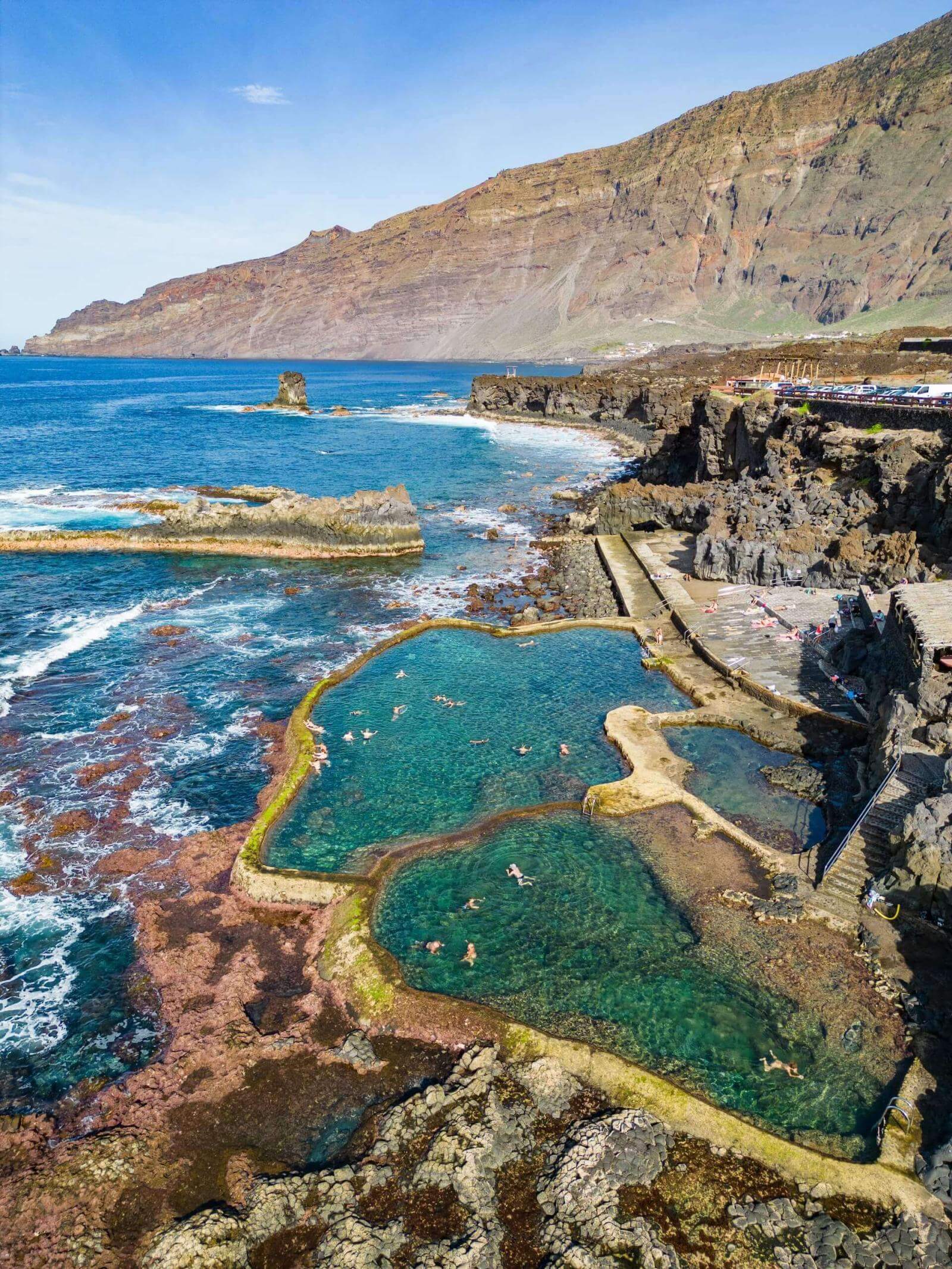
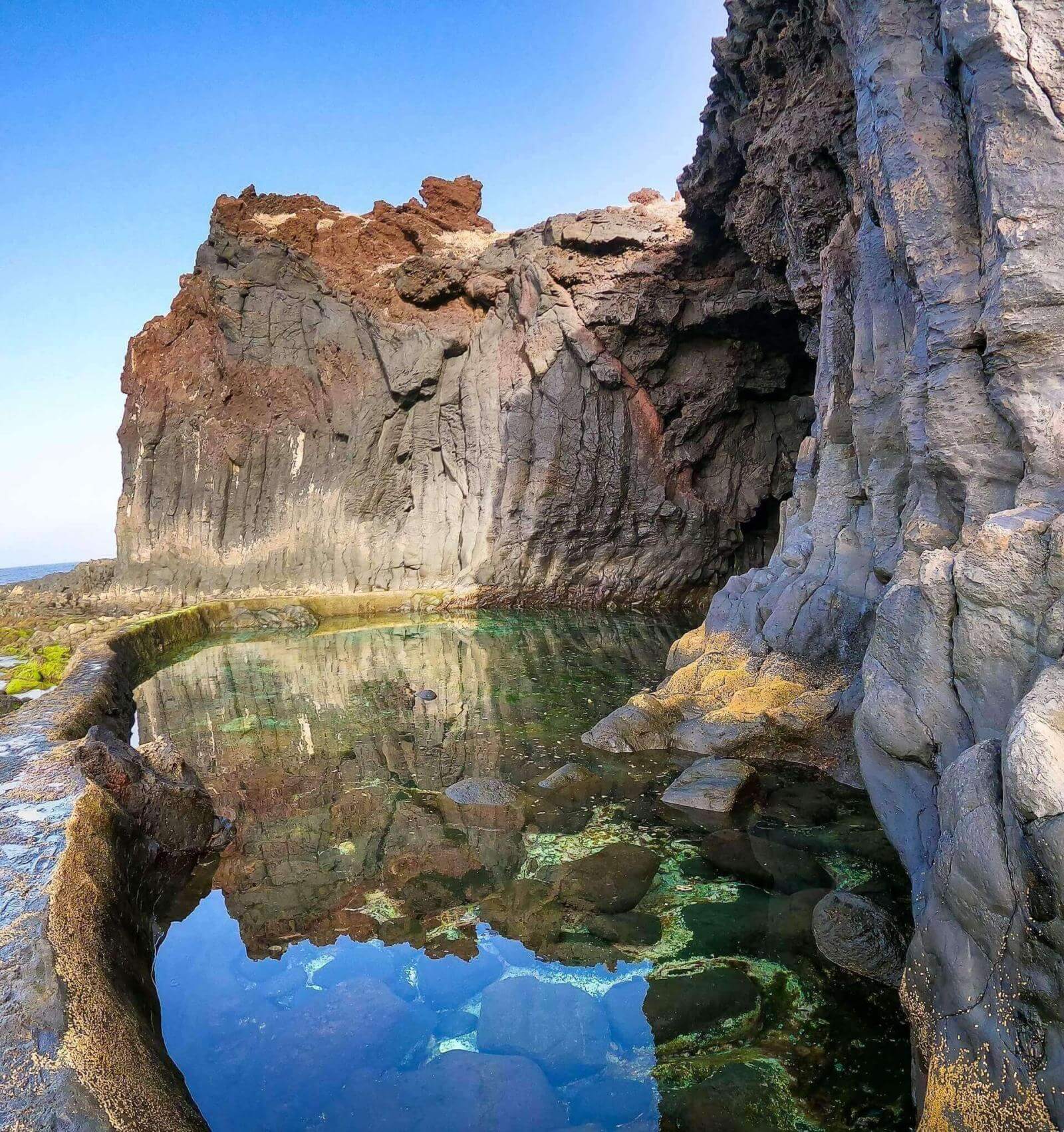
Natural swimming pools are another great option for enjoying the archipelago’s warm waters. The El Golfo valley is home to several of these wonders, each with its own character despite the short distance between them. From east to west, one of the first to appear is La Maceta, a series of different-sized pools nestled in the midst of a volcanic landscape. Its whimsical formation and accessibility have made it a favourite with families. Very close to hand we find Charco de los Sargos, a bathing area with a much more adventurous spirit. To reach it, one has to take a narrow path that runs along a cliff, but the walk is well worth it, because below you will find a welcoming, private pool complex that has undergone some slight adaptation to turn it into what is to all intents and purposes a natural spa.
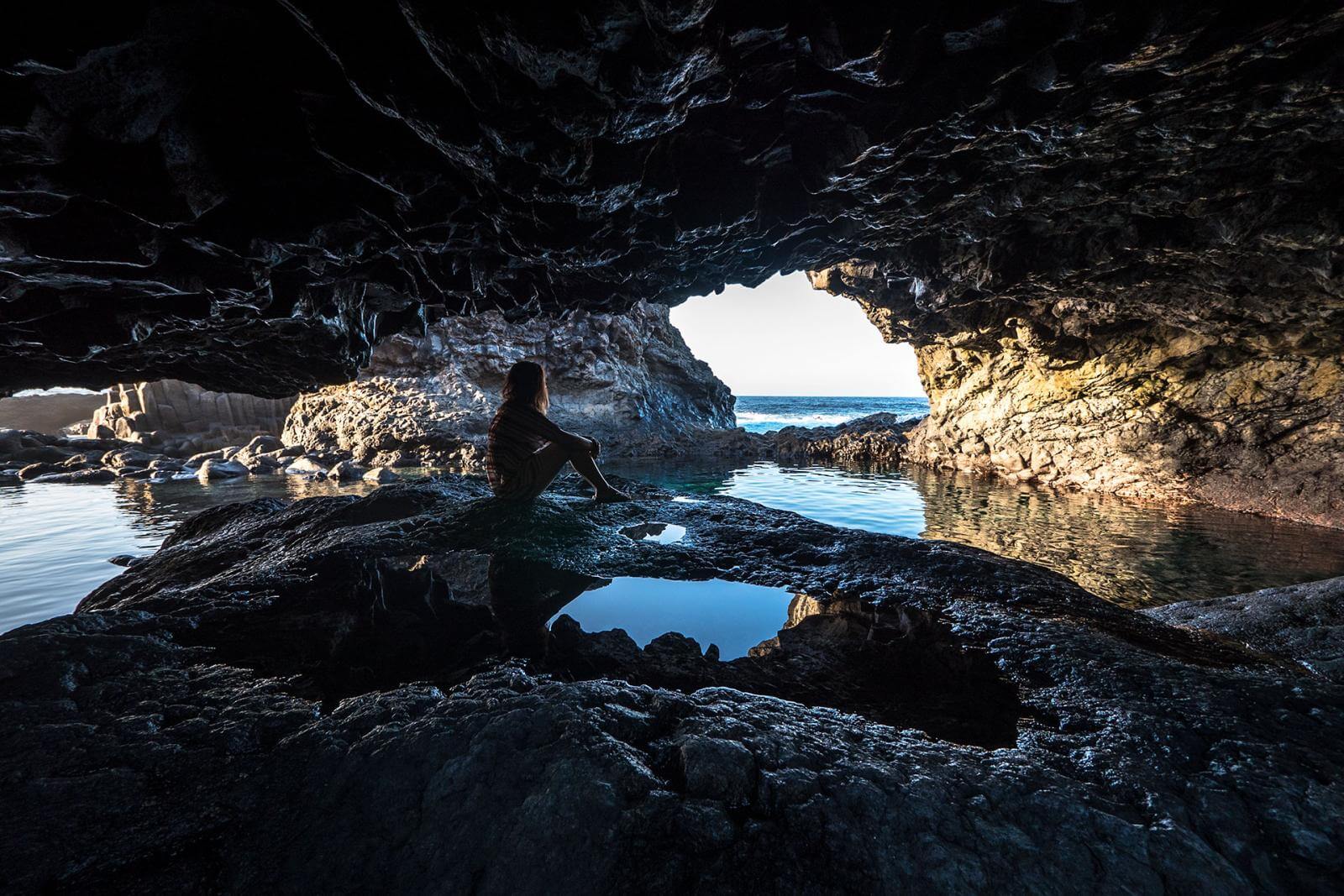
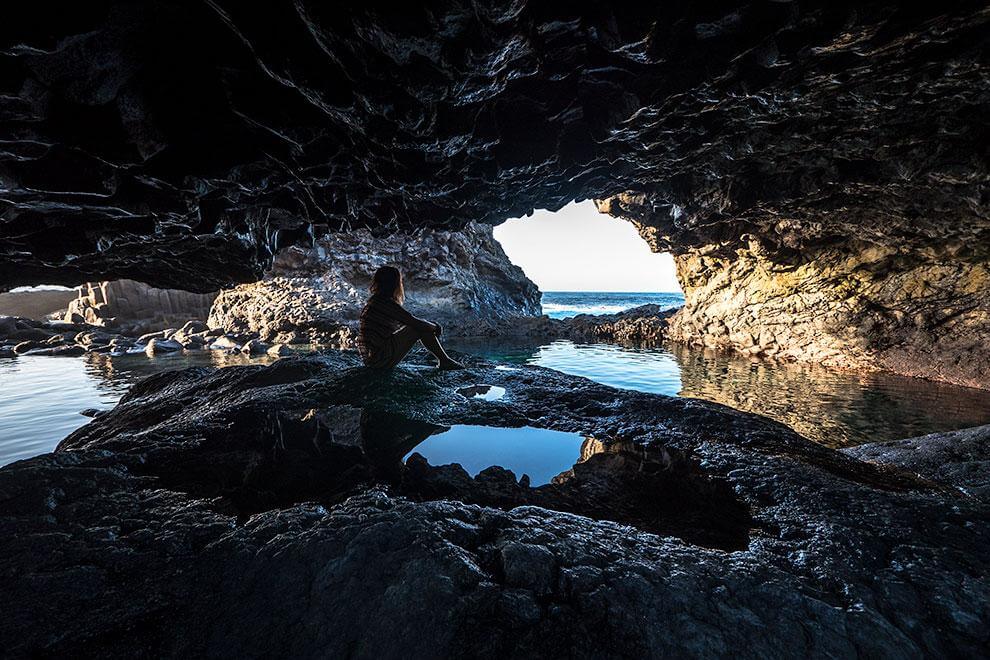
They say you should save the best for last, and this seems to be the case in La Frontera. A few kilometres away is Charco Azul, a veritable artwork of volcanic origin considered one of the archipelago’s most beautiful natural swimming pools. A dreamlike setting under a basalt stone arch, welcoming a bijou collection of bathing areas steeped in charm. The natural pool route could easily end here, but La Frontera has yet more treasures like Charco de La Laja, located very close to Pozo de Sabinosa, or El Río, a small natural pool located in Las Puntas that appears and disappears depending on the capricious tide.
Tradition and culture at every turn
Although the municipality was established in 1912, this area has been inhabited by the people of El Hierro for much longer. The various settlements of shepherds, farmers and fishermen gave way to small population centres with their own idiosyncrasies and traditions. Sabinosa, with just over 250 inhabitants, is the perfect example. It is located at the westernmost tip of the island and is its most isolated village, but its picturesque, cobbled alleyways are well worth a visit, as they are home to a good example of El Hierro’s folklore, as well as excellent wines and a jumping-off point for paragliding enthusiasts. A few kilometres away, on the coast, is the famous Pozo de La Salud, a location steeped in history and now home to a spa.
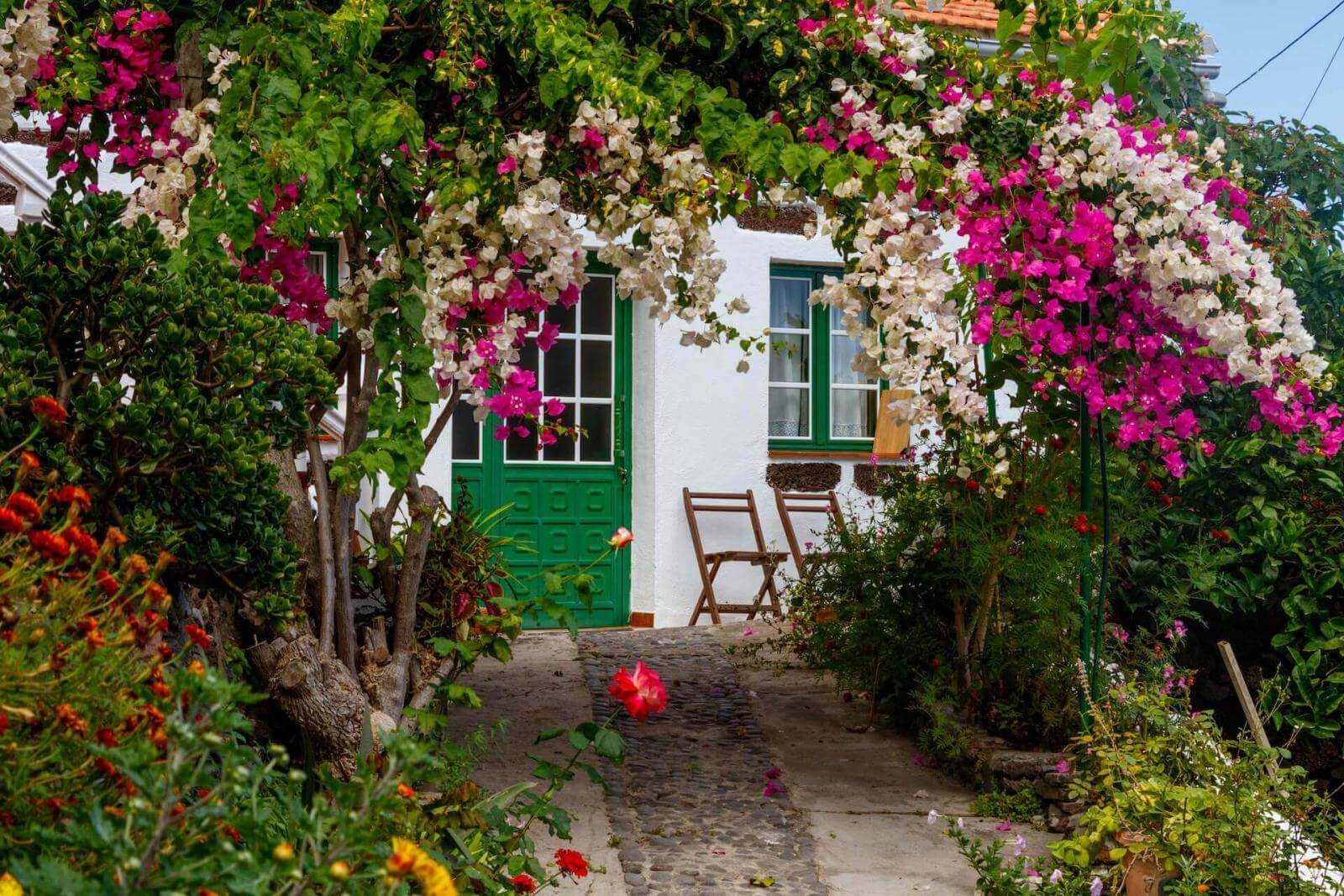
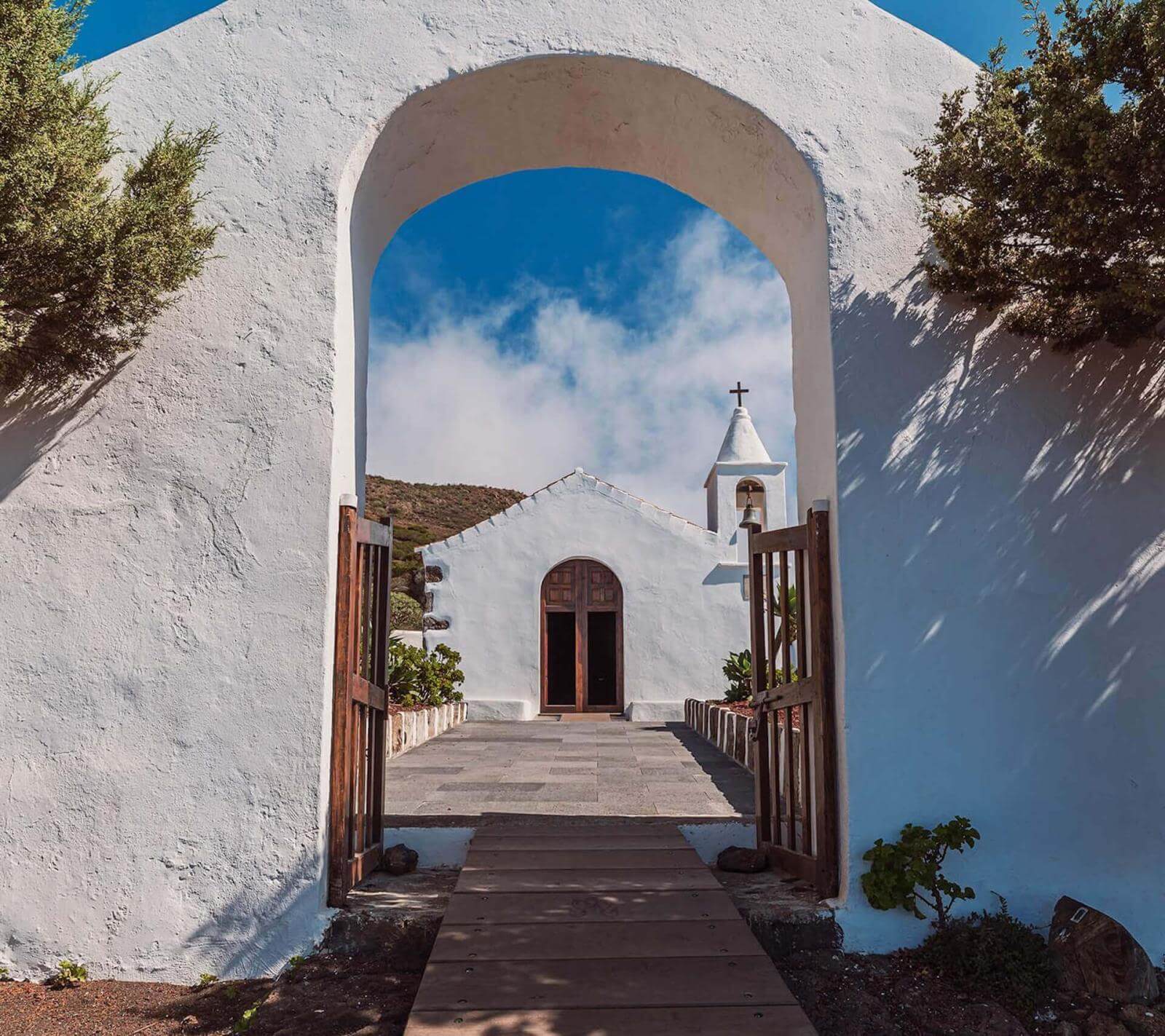
Very close to here, inland, is the Sanctuary of Nuestra Señora de los Reyes, a tiny chapel that is a place of pilgrimage for the people of El Hierro. This is the departure point for El Hierro’s most important festival, the Bajada de la Virgen de los Reyes, a unique pilgrimage that has crossed the central peaks of the island since 1741 to reach Valverde, and one which has now become a popular route among hikers. For the more adventurous, a few metres from the chapel is the Cueva del Caracol, an ancient system of caves used by shepherds which, in its day, served as the very first accommodation for the Virgin of Los Reyes.
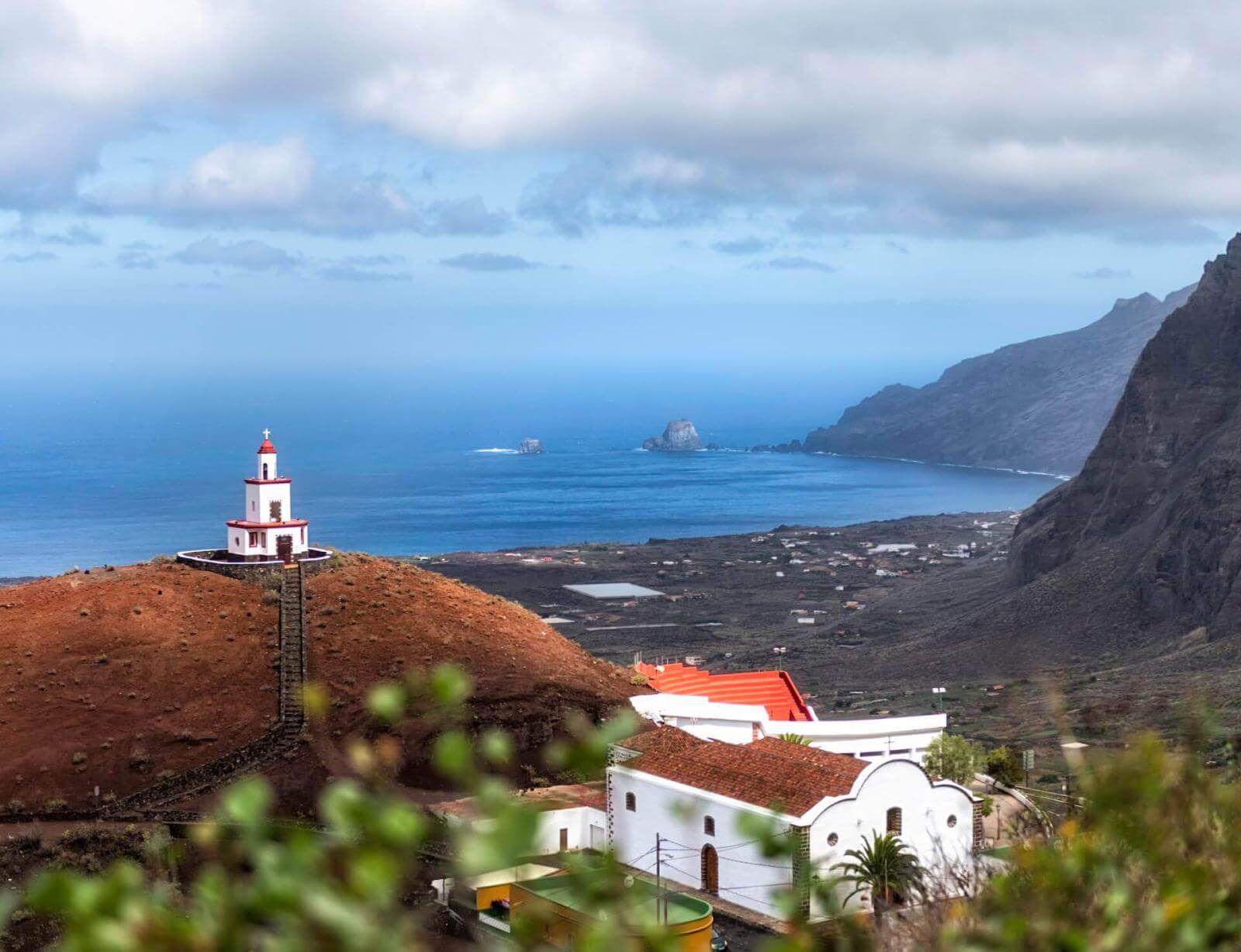
The heart of the valley is home to classic farmhouses like Los Llanillos, all of them more or less close to Tigaday. This town is the current nerve centre of the municipality and the territory of Los Carneros de Tigaday, the most representative carnival tradition of El Hierro, as well as the Church of La Candelaria, famous for its separate bell tower located on the Joapira mountain. Its cool atmosphere and multiple services have made it one of the most youthful areas on the island and an excellent starting or ending point for many routes.
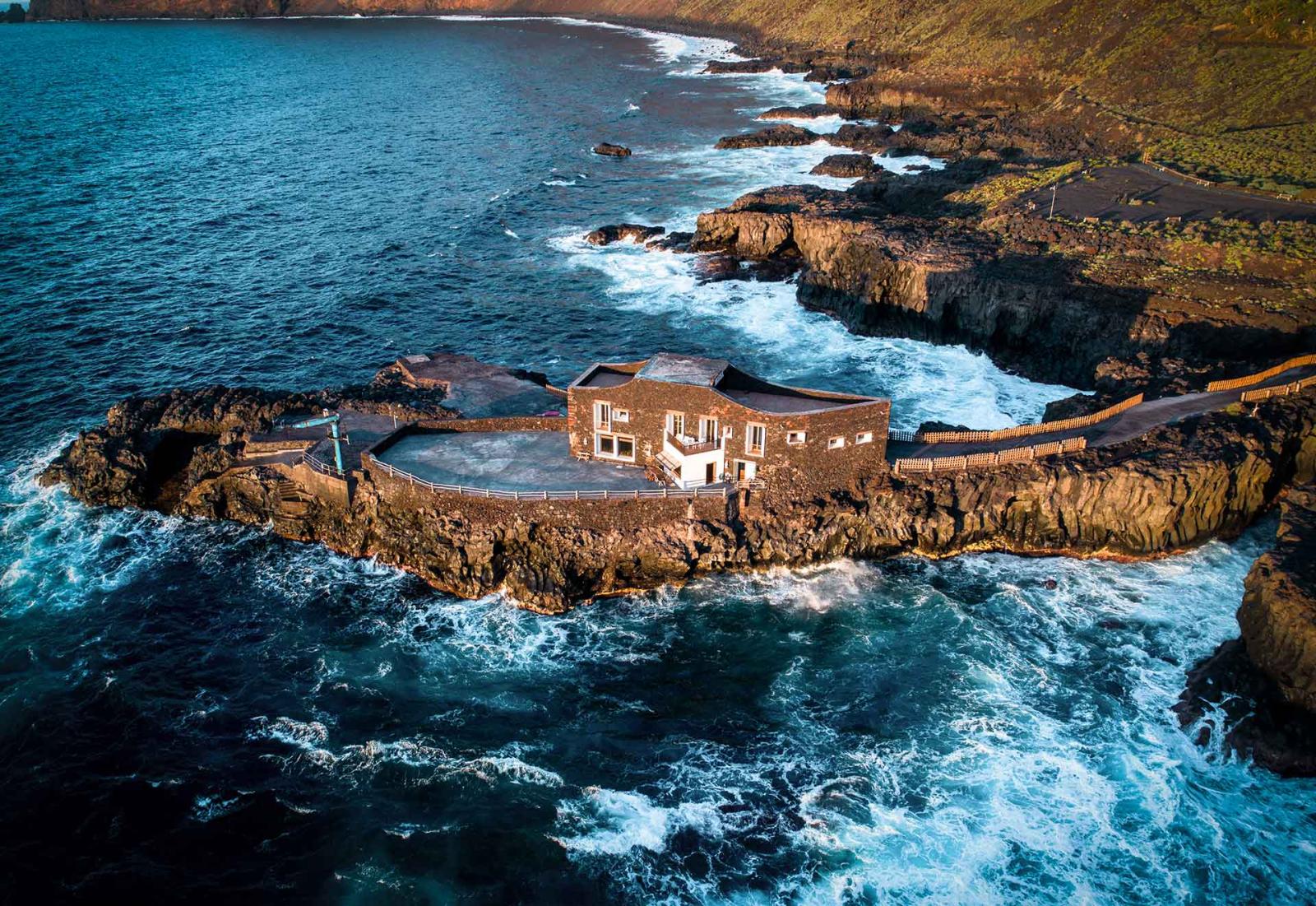
The north-eastern area also has its treasures, although in this case with a maritime flavour. Las Puntas is a small village built around a pier. Centuries ago, this cliff-lined area served as a departure point for many inhabitants of El Hierro travelling to the Old Continent, stimulating its development. In 1884 the Hotel Puntagrande opened on the pier. For years, it was considered the smallest hotel in the world and has now been declared a Site of Cultural Interest.

The art of contemplation
To gain some perspective and enjoy the valley as a whole, the best option can be found at the El Lomo Negro I and El Lomo Negro II viewpoints, two promontories located on a volcanic ridge that offer a bird’s-eye view of Hoya de El Verodal and allow you to analyse how the different eruptive layers change the colour of the landscape.
La Frontera is also one of the best places in the archipelago for astro-tourism. The clarity of the sky and the low level of light pollution from the towns here have earned the municipality a place on the Canary Islands’ destinations with Starlight recognition.