

The Canary Islands stand out as a world-renowned benchmark for biodiversity. Around 400 bird species have been identified in the Archipelago, of which nine are endemic, meaning they cannot be seen in the wild anywhere else in the world. This destination has captivated great travellers and naturalists like Alexander von Humboldt, who was impressed by its natural wealth.


An incredibly diverse habitat
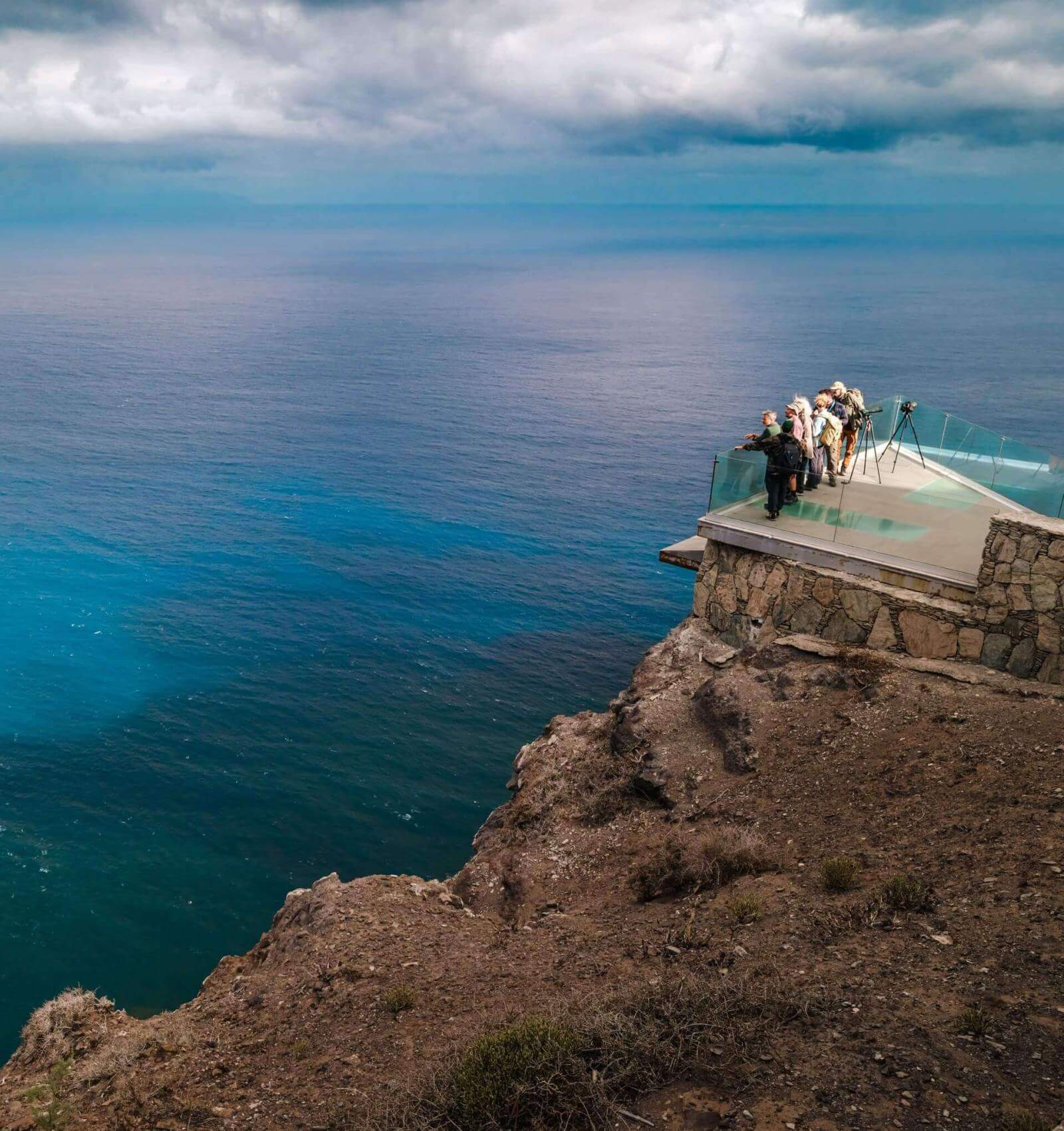
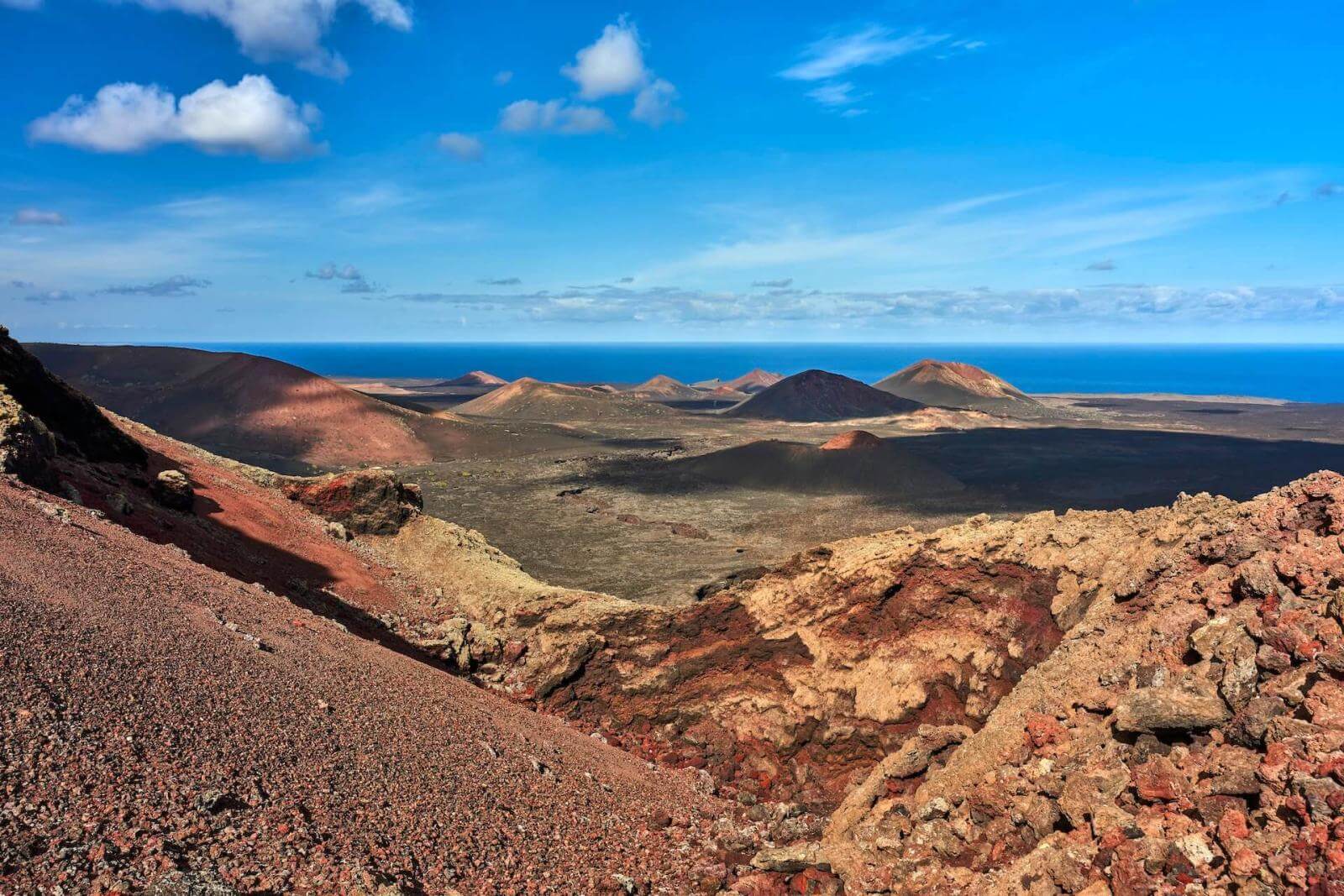
A privileged climate, unique topography and the strategic location of the Canary Islands have given rise to an extraordinary diversity of habitats. From the dune deserts of Fuerteventura to the heights of Teide National Park on Tenerife, via the lush subtropical laurissilva forests of La Gomera and the volcanic landscapes of Timanfaya in Lanzarote.
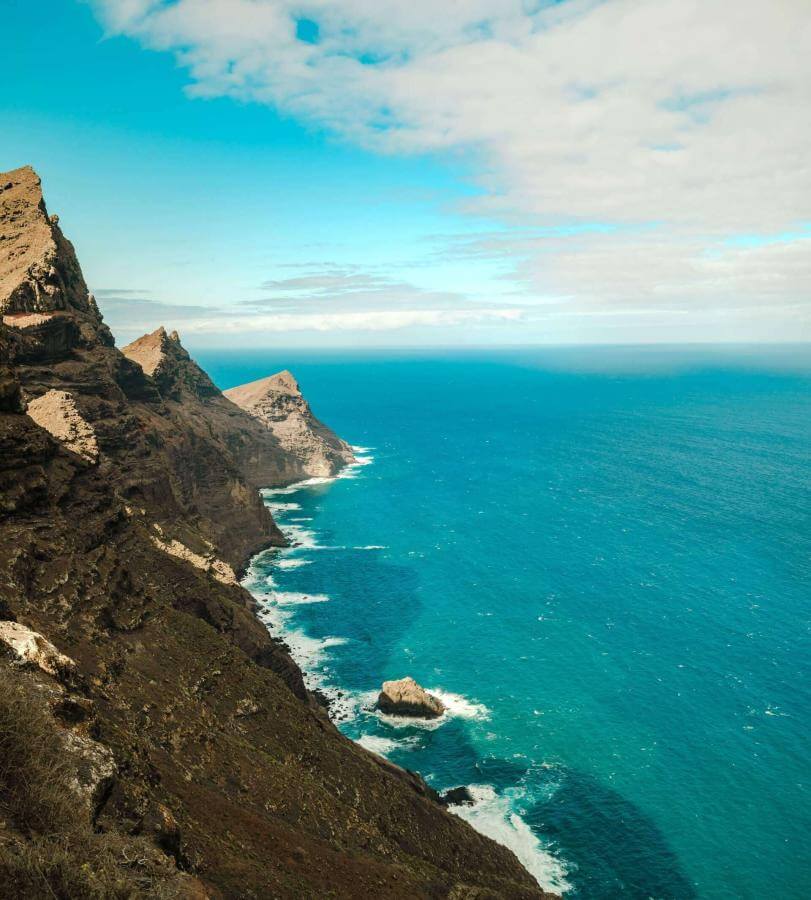
National parks, nature reserves, monuments and landscapes form a mosaic of unique ecosystems ranging from laurissilva forests and high-altitude pine forests to arid volcanic badlands and rugged cliff-lined coasts. Each of these environments hosts bird species perfectly adapted to their conditions, making the Canary Islands an exceptional refuge.


Birdwatching all year round
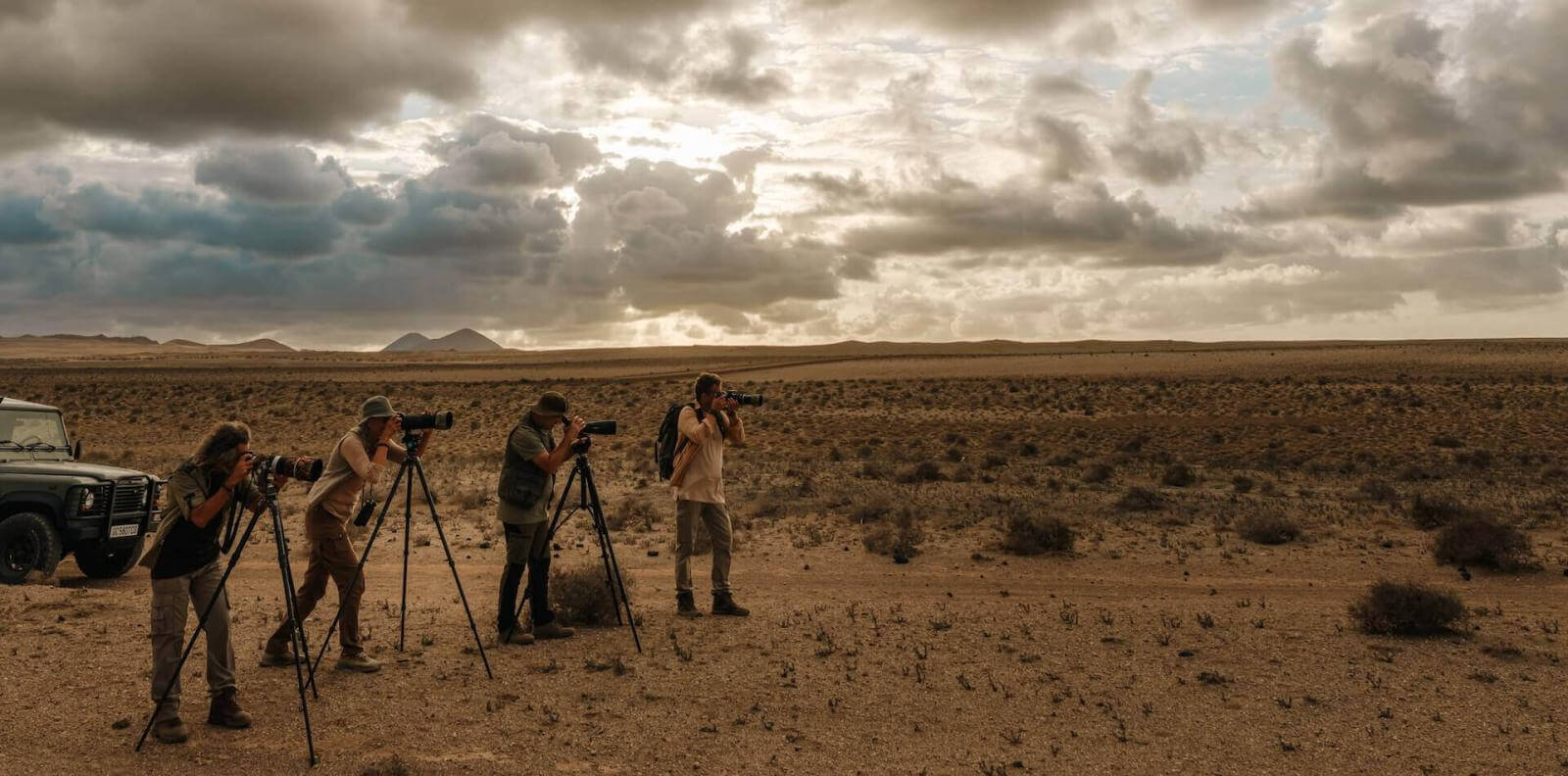
The Canary Islands are a paradise for birdwatching enthusiasts, who can enjoy this activity 365 days a year. Each season brings a new opportunity to discover different species:
Winter
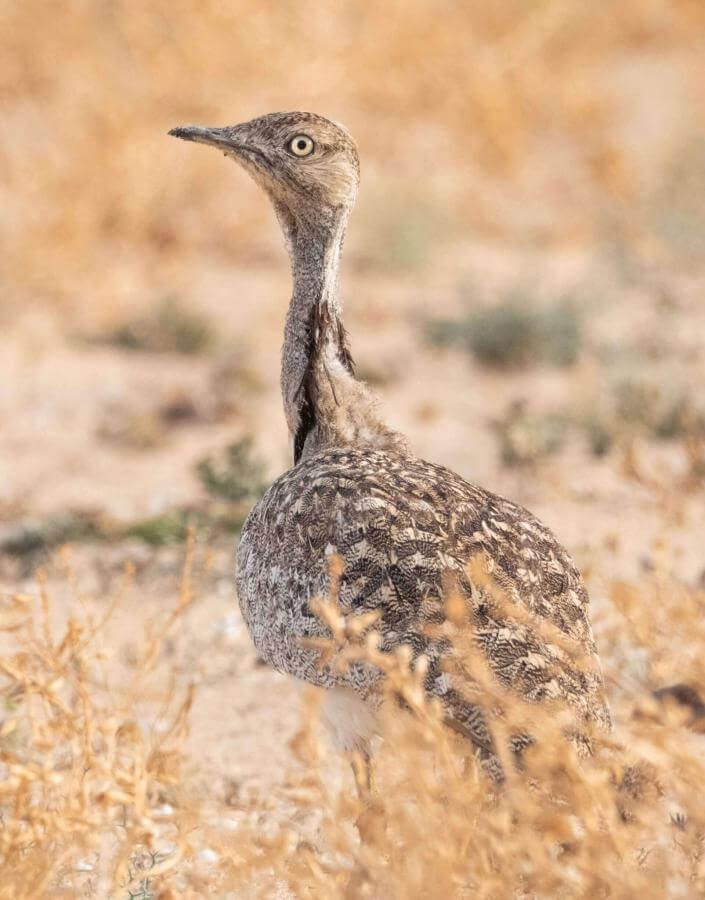
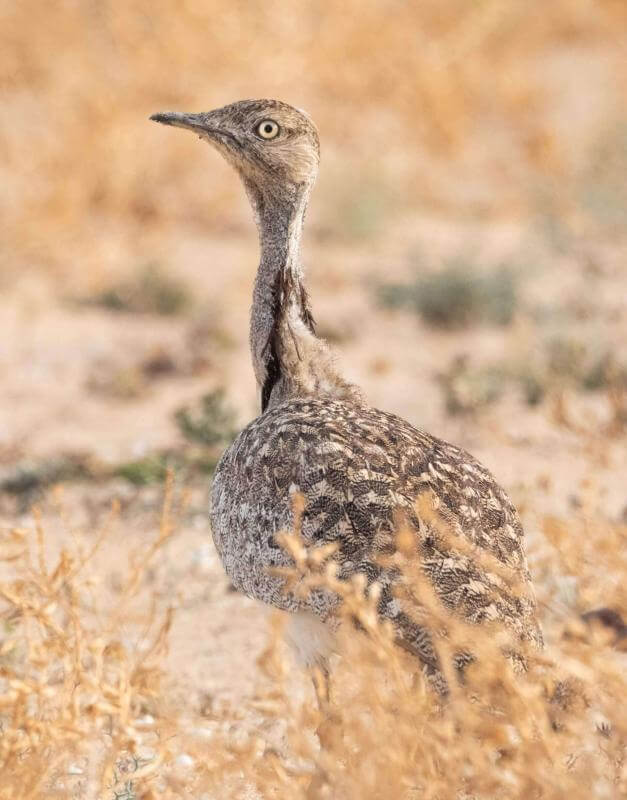
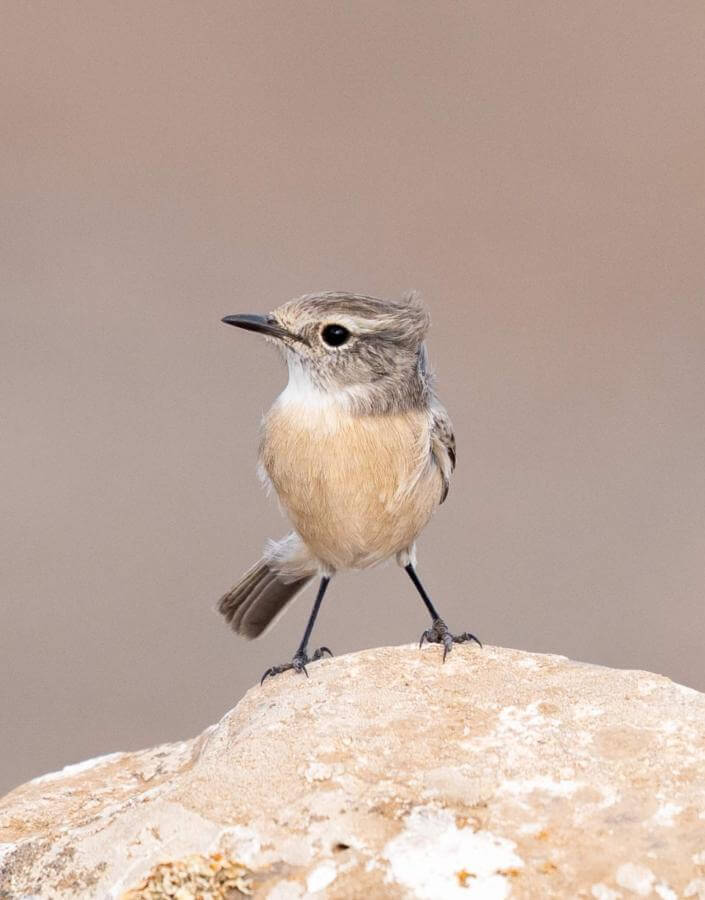
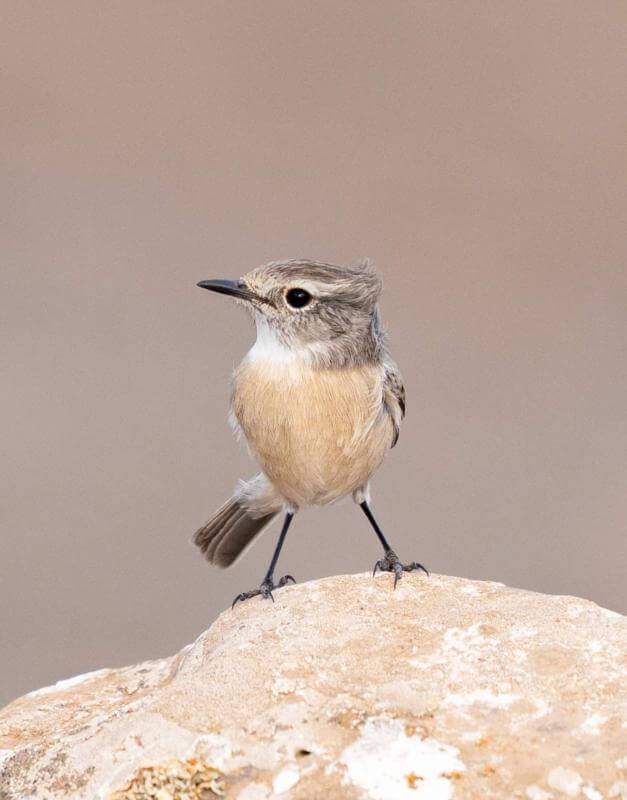
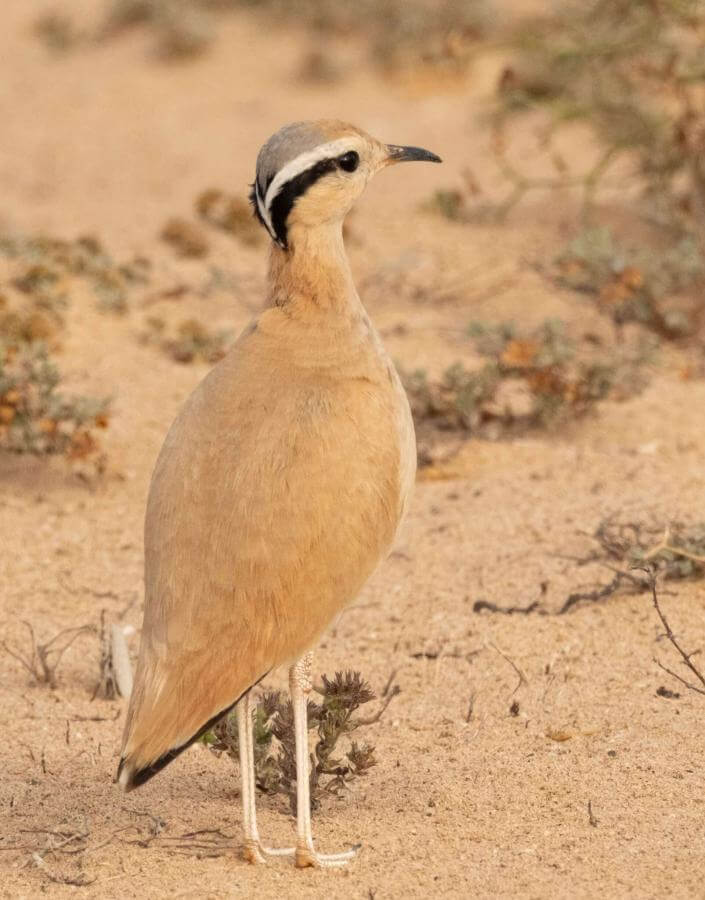
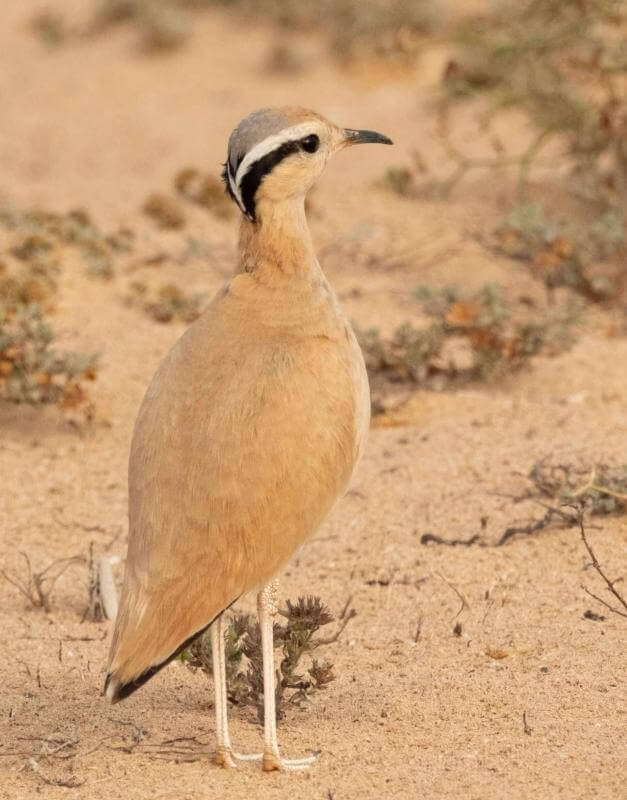
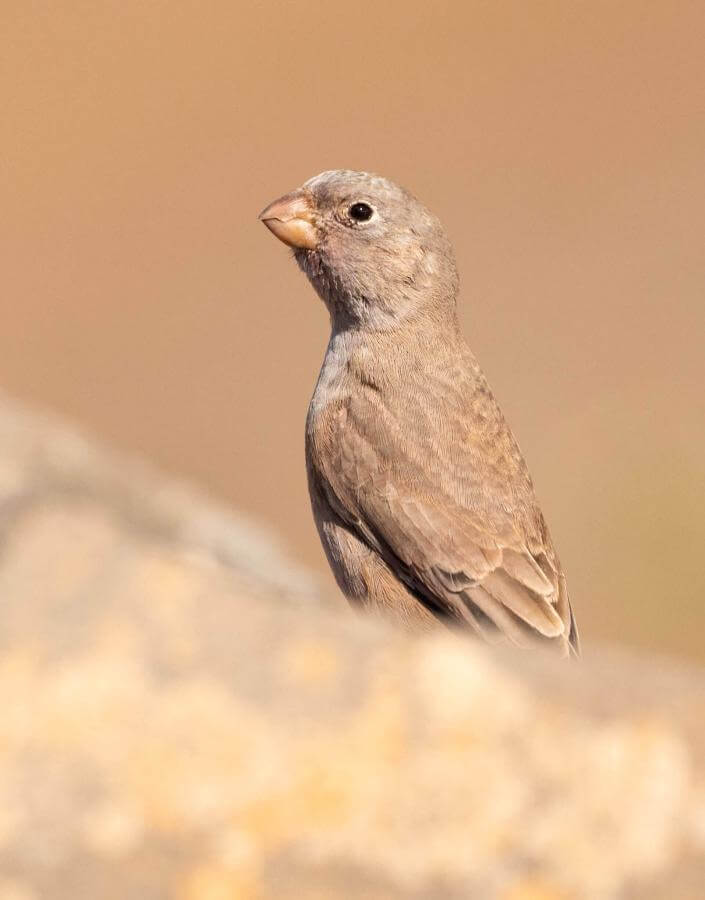
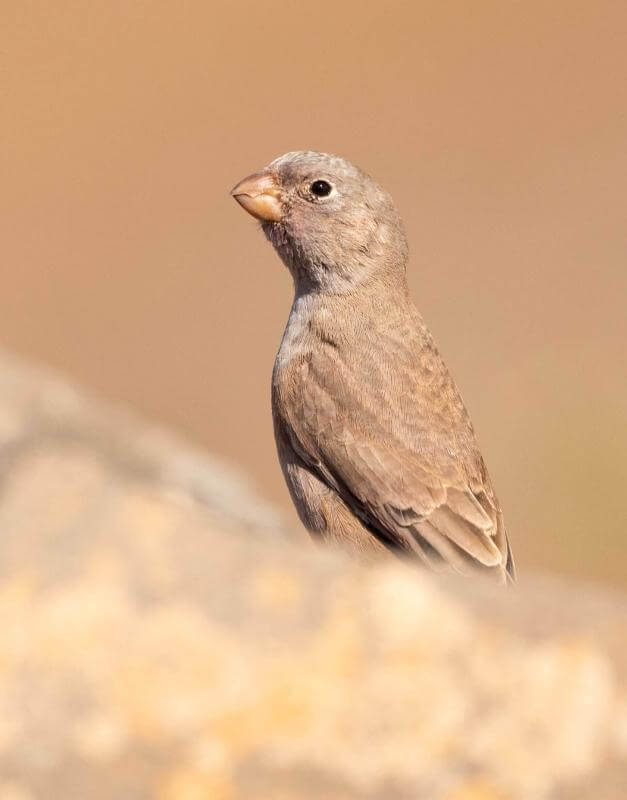
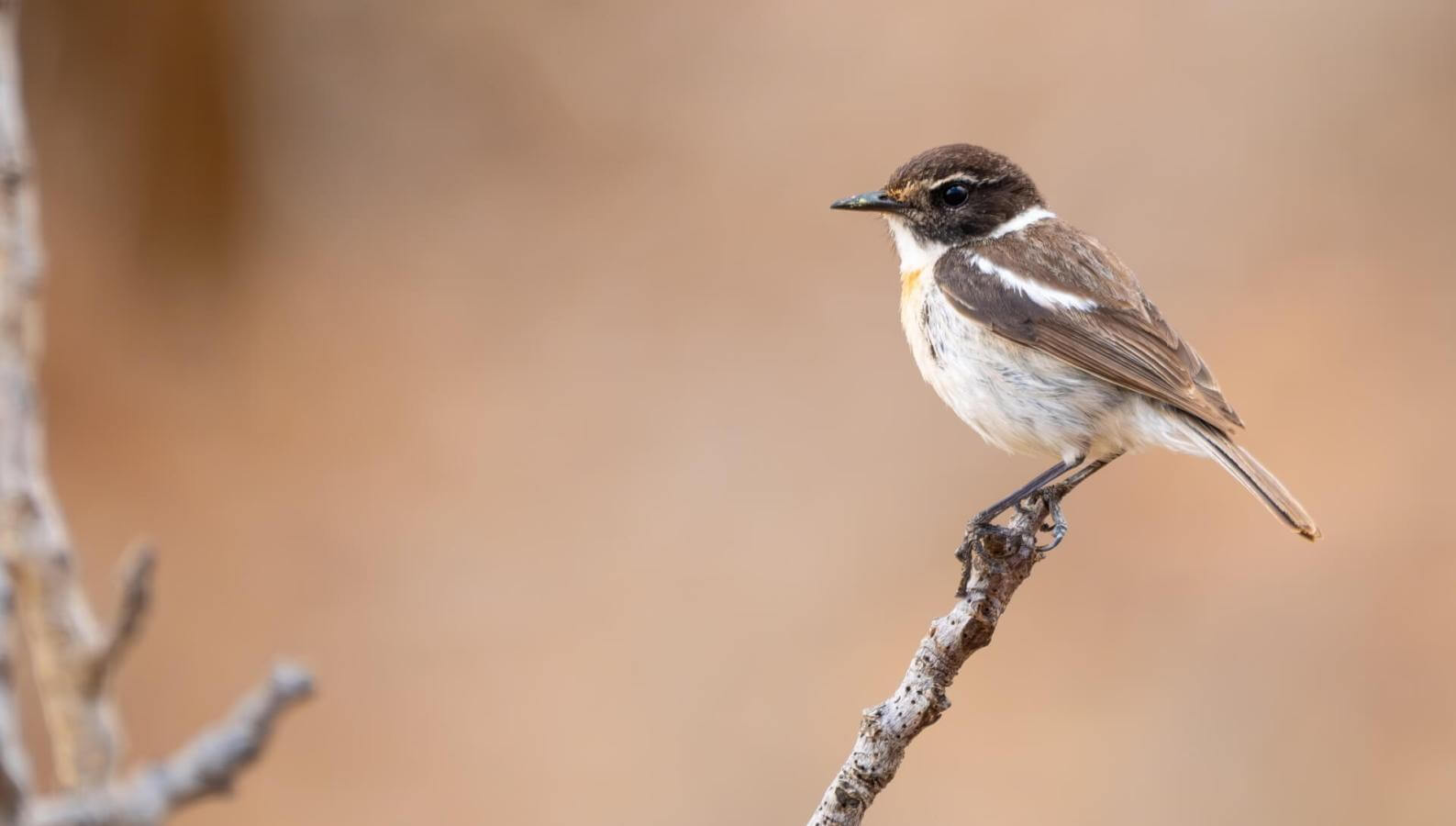
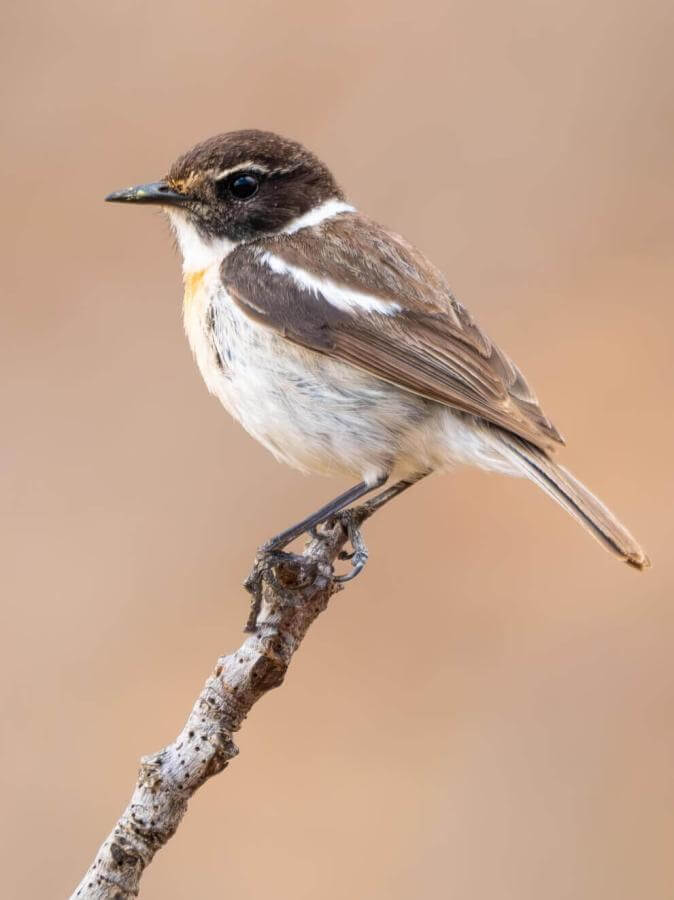
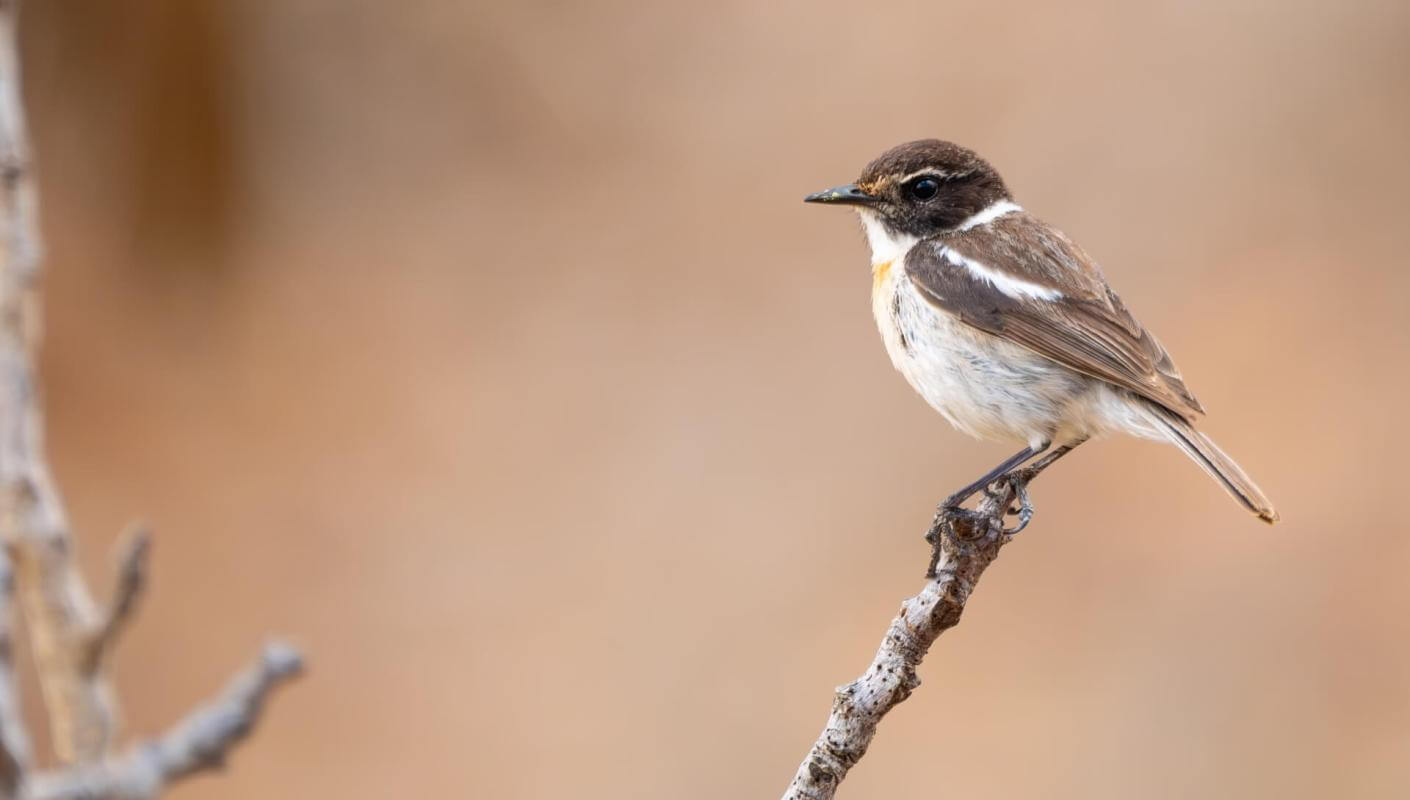
With the late seasonal rains, the white dunes of Lanzarote and Fuerteventura teem with life. Canarian Houbaras, Canary Islands Stonechats, Cream-coloured Coursers, Trumpeter Finches and other desert birds begin their intense courtship displays amidst the fine white sands.
Spring
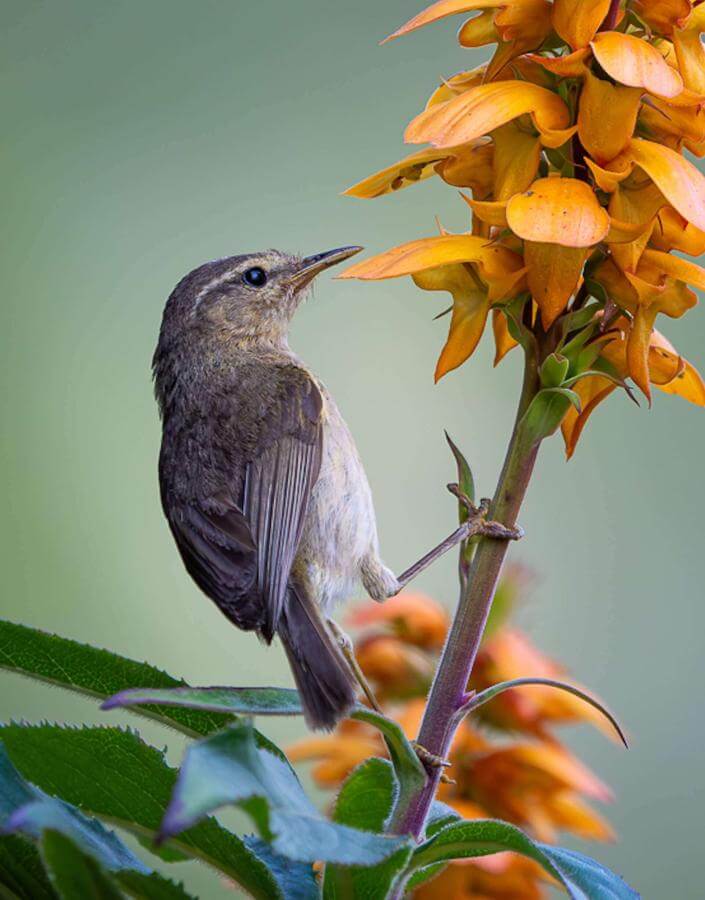
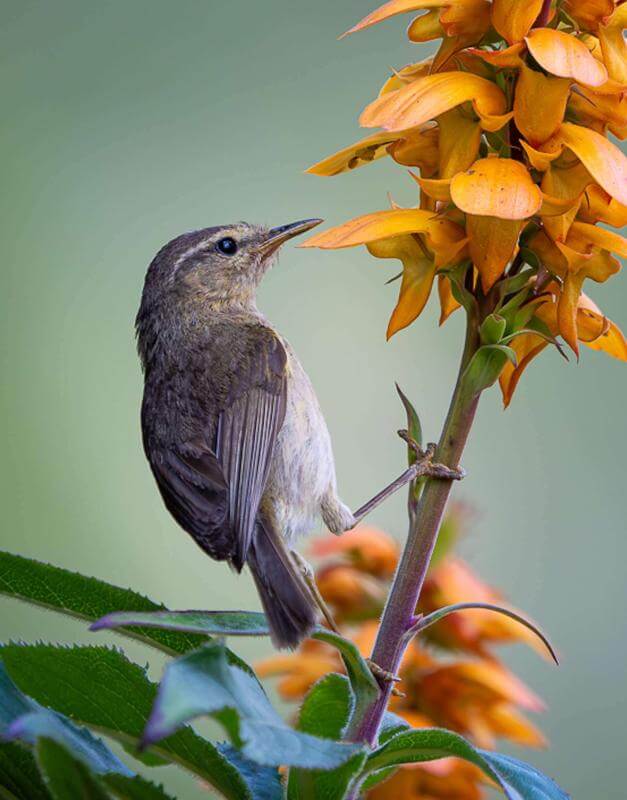
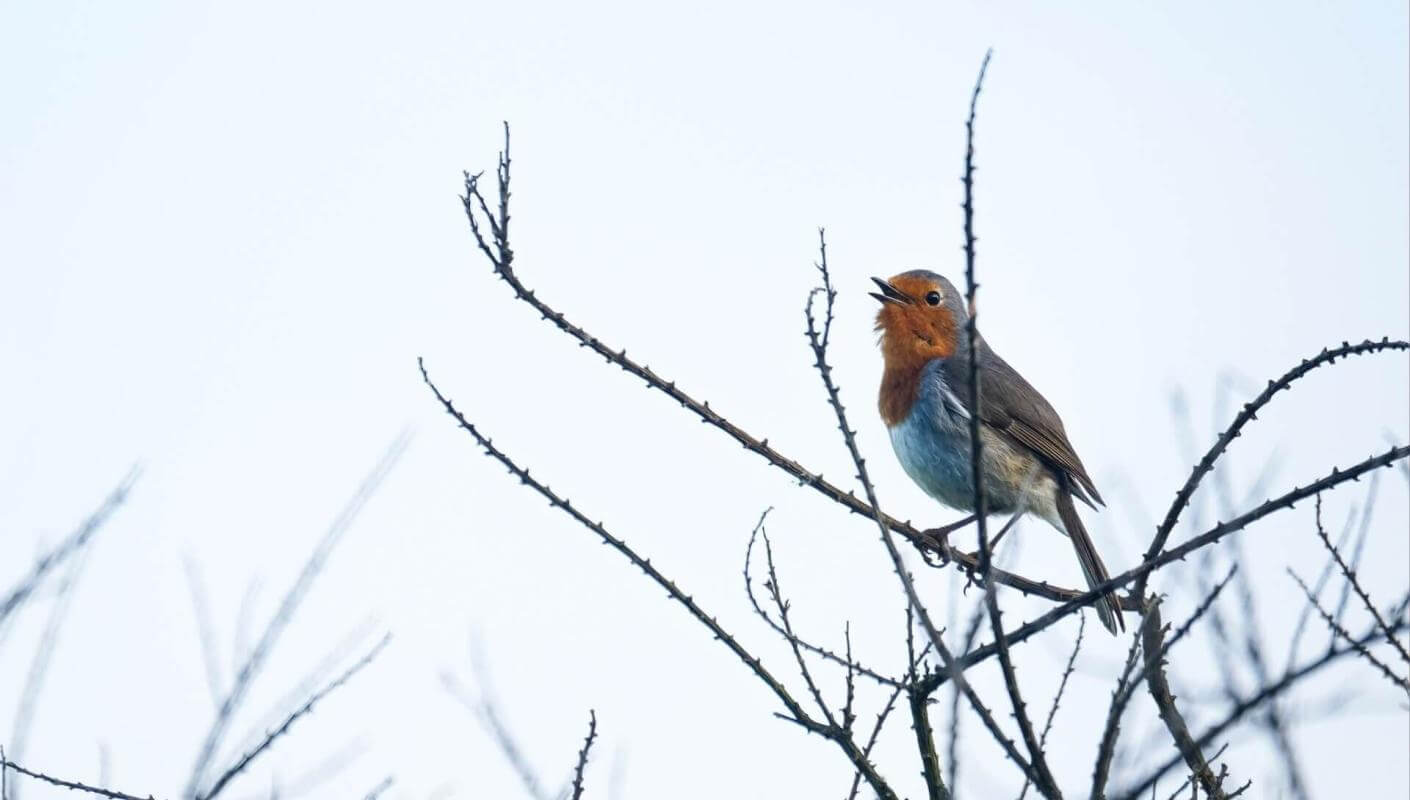
In early spring, the monteverde forests of the more mountainous islands resonate with the songs of the Canary Islands Chiffchaff, Canary Islands Chaffinch, Tenerife Goldcrest and Tenerife Robin, which fill the woodlands with their melodies.
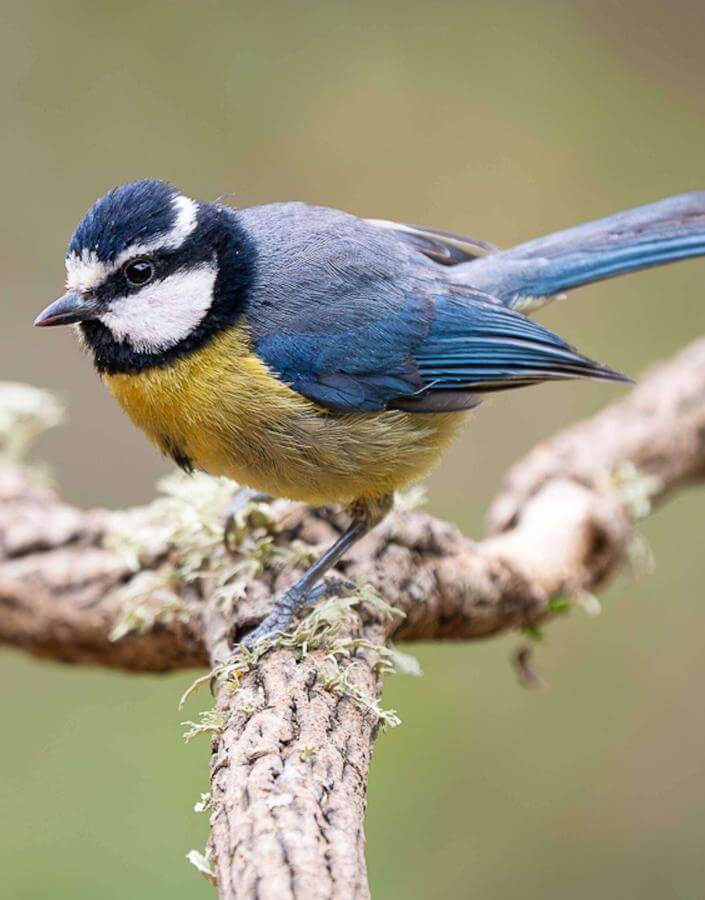
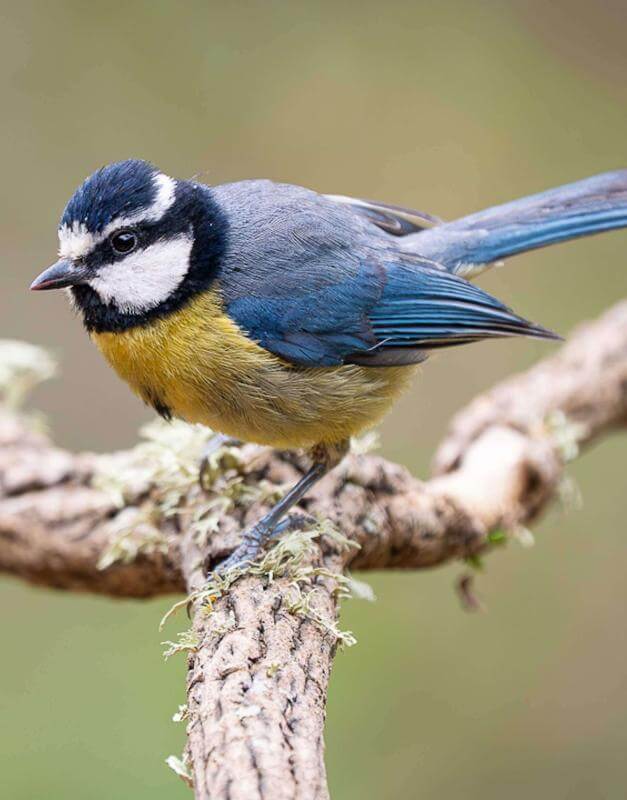
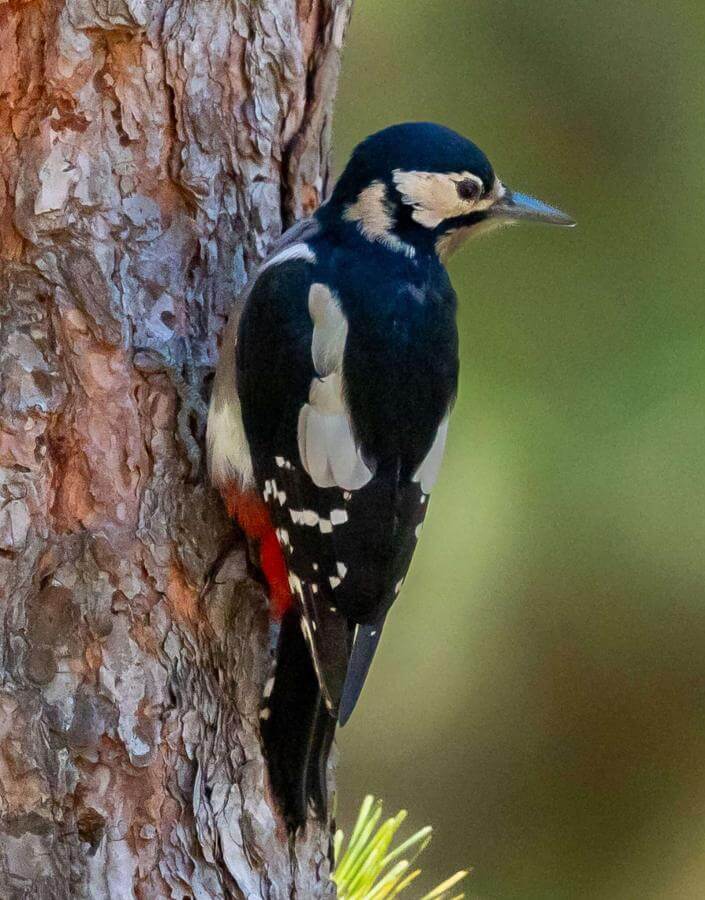
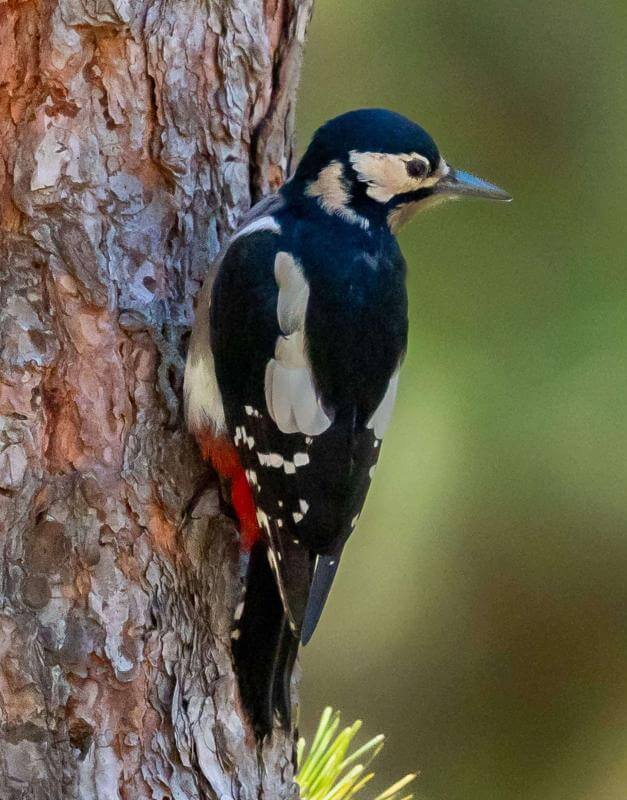
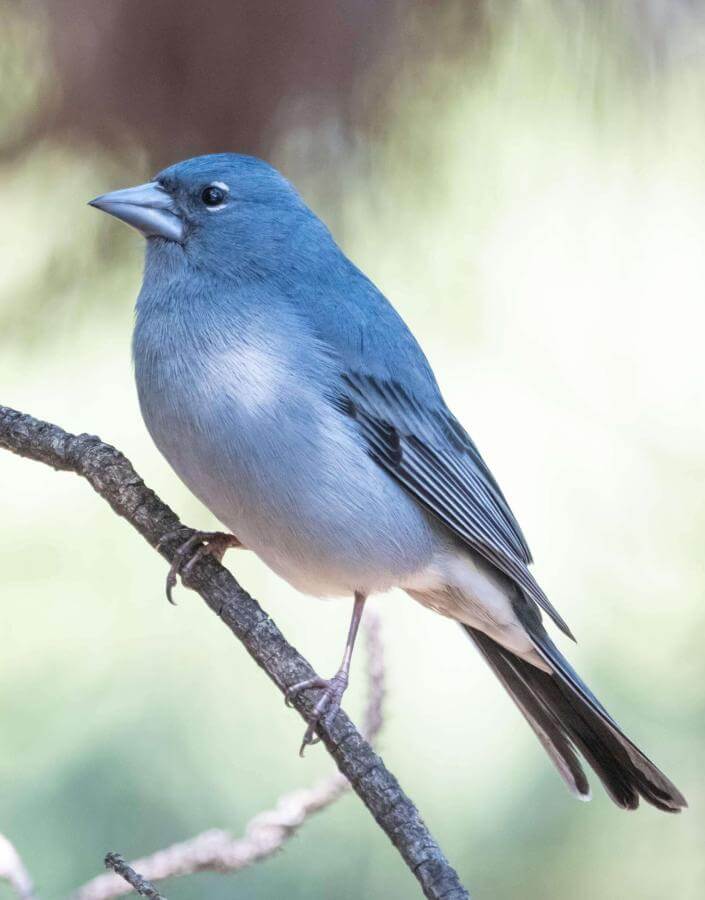
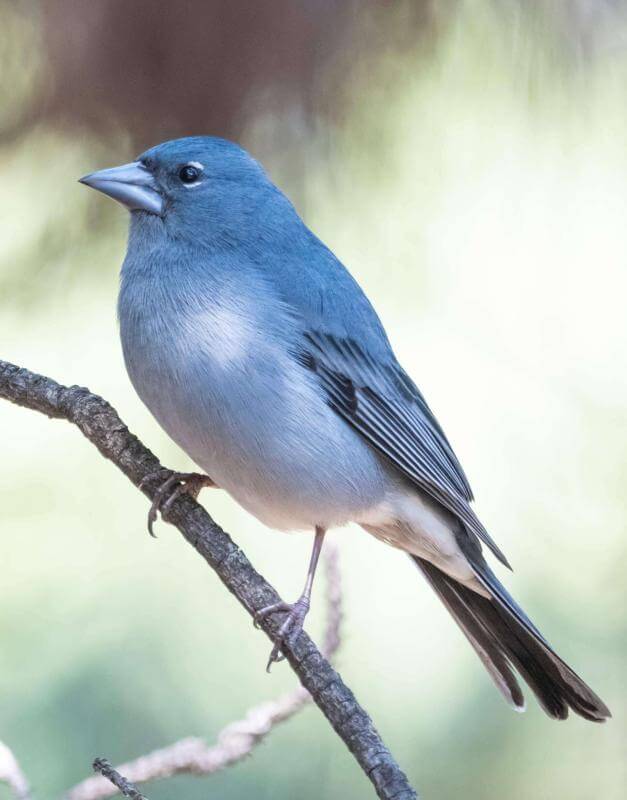
In late spring, Great Spotted Woodpeckers, Tenerife Blue Tits and Blue Chaffinches accompany their fledglings on their first flights through the pine forests of the highlands of Tenerife and Gran Canaria.

Summer
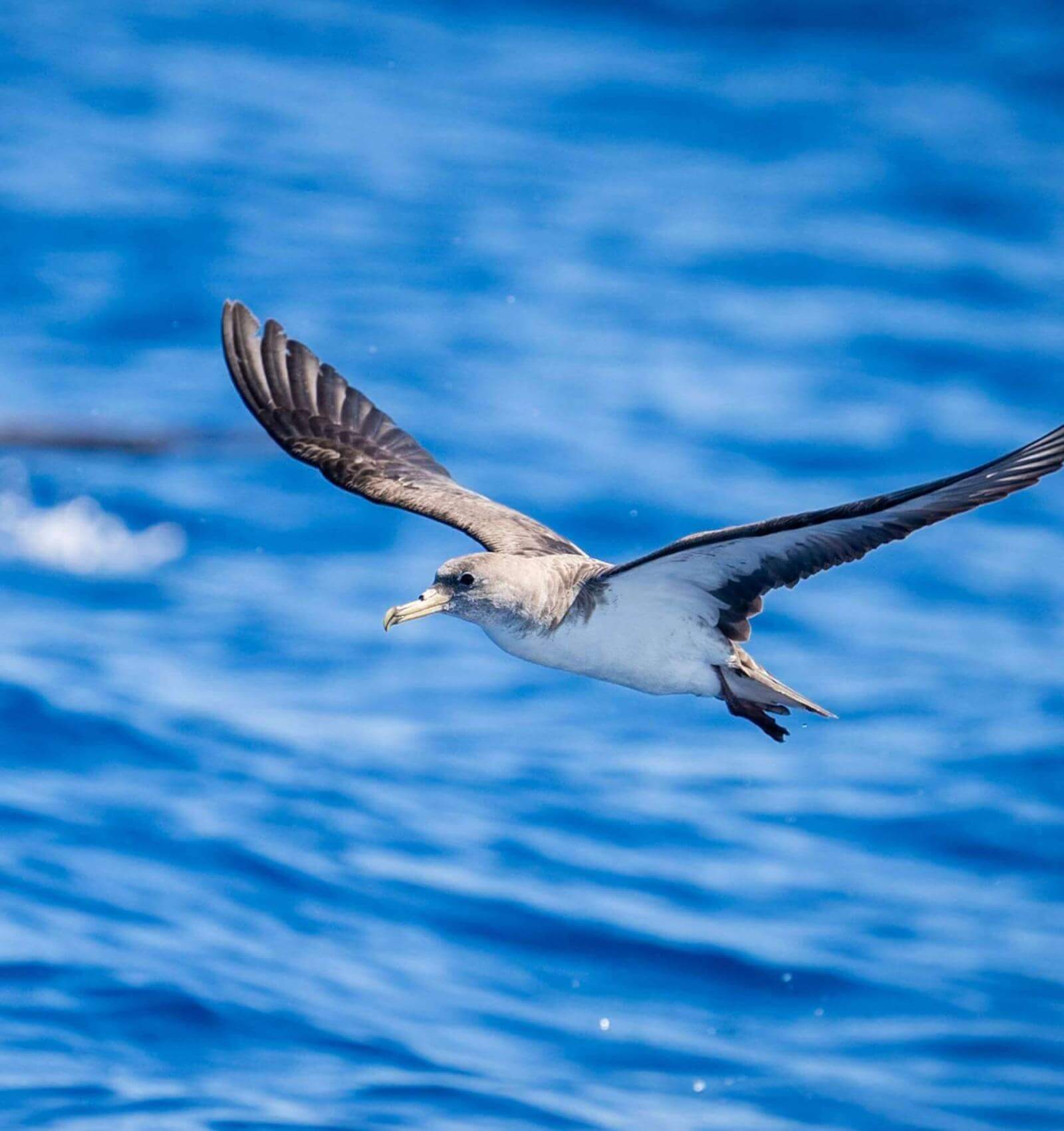
The sea becomes the perfect stage for spotting pelagic seabirds. Bulwer’s Petrels, Cory’s Shearwaters, and Barolo Shearwaters are prominent during boat trips to the islands of El Hierro, La Gomera and La Palma.
Autumn
Migratory birds from the far north stop over in the archipelago, using the islands as a resting place before continuing their long journey towards equatorial Africa, the South Atlantic or the waters of Antarctica. Kentish plovers, Godwits, Dunlins, ducks, and other waterfowl are common in coastal areas across all the islands.

The nine endemic bird species of the Canary Islands
The archipelago is home to nine endemic bird species that have evolved over thousands of years to adapt and differentiate from their ancestors.
We share three land species and one marine species, the Barolo Shearwater, with the other Macaronesian archipelagos (the Azores, Madeira, the Savage Islands and Cape Verde). Furthermore, more than twenty unique Canary Islands subspecies have been described.
All of them are authentic winged jewels, and you can only see them in this corner of the Atlantic.
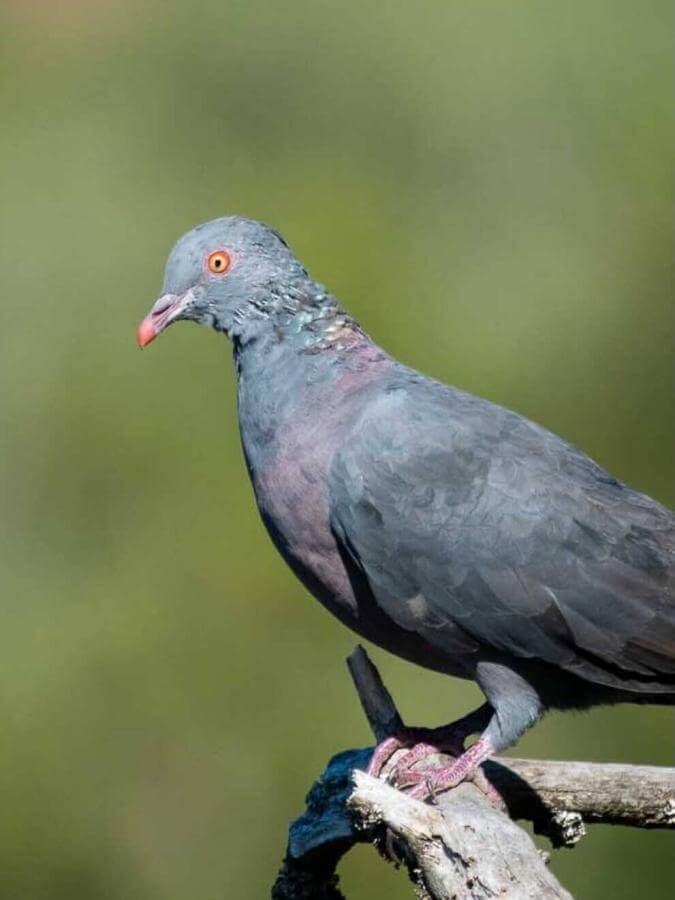
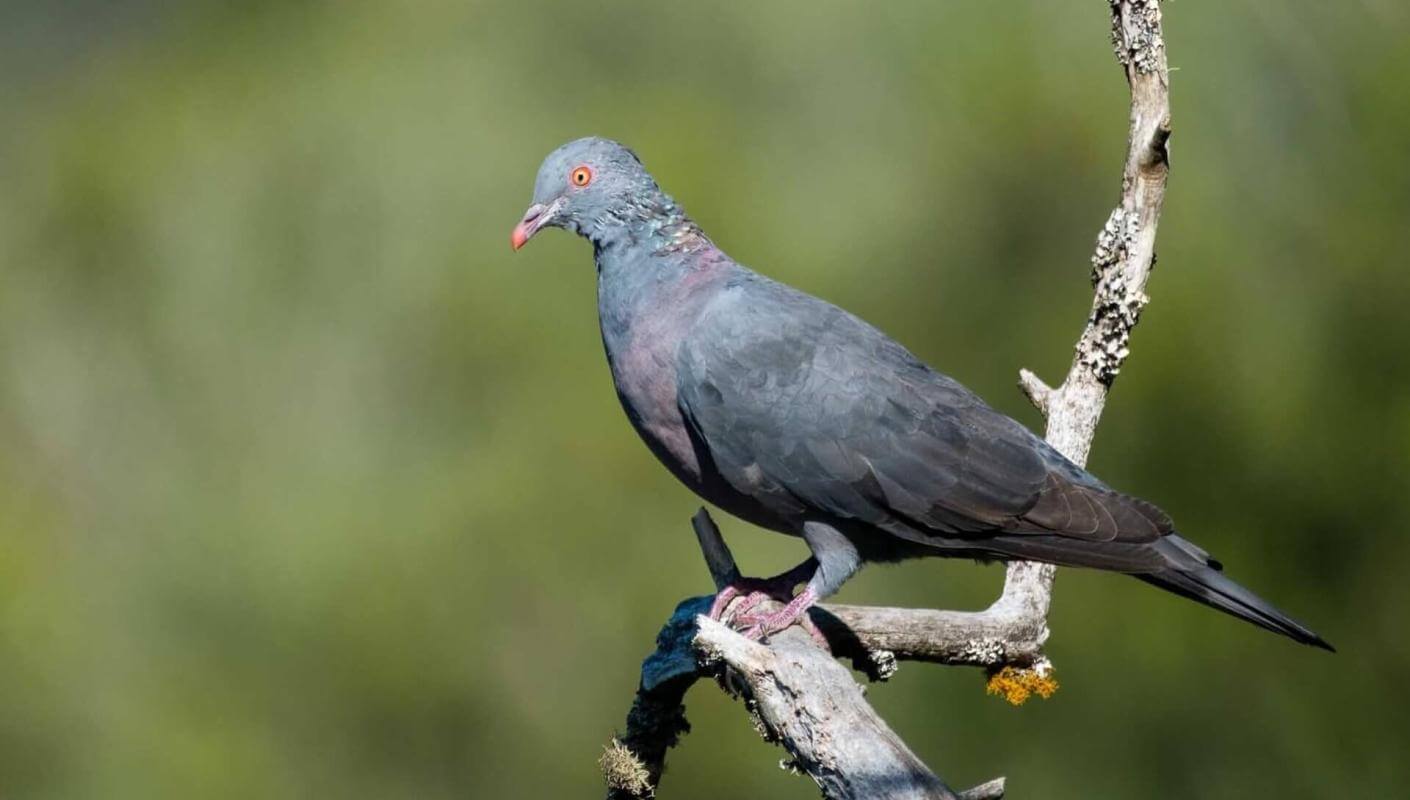
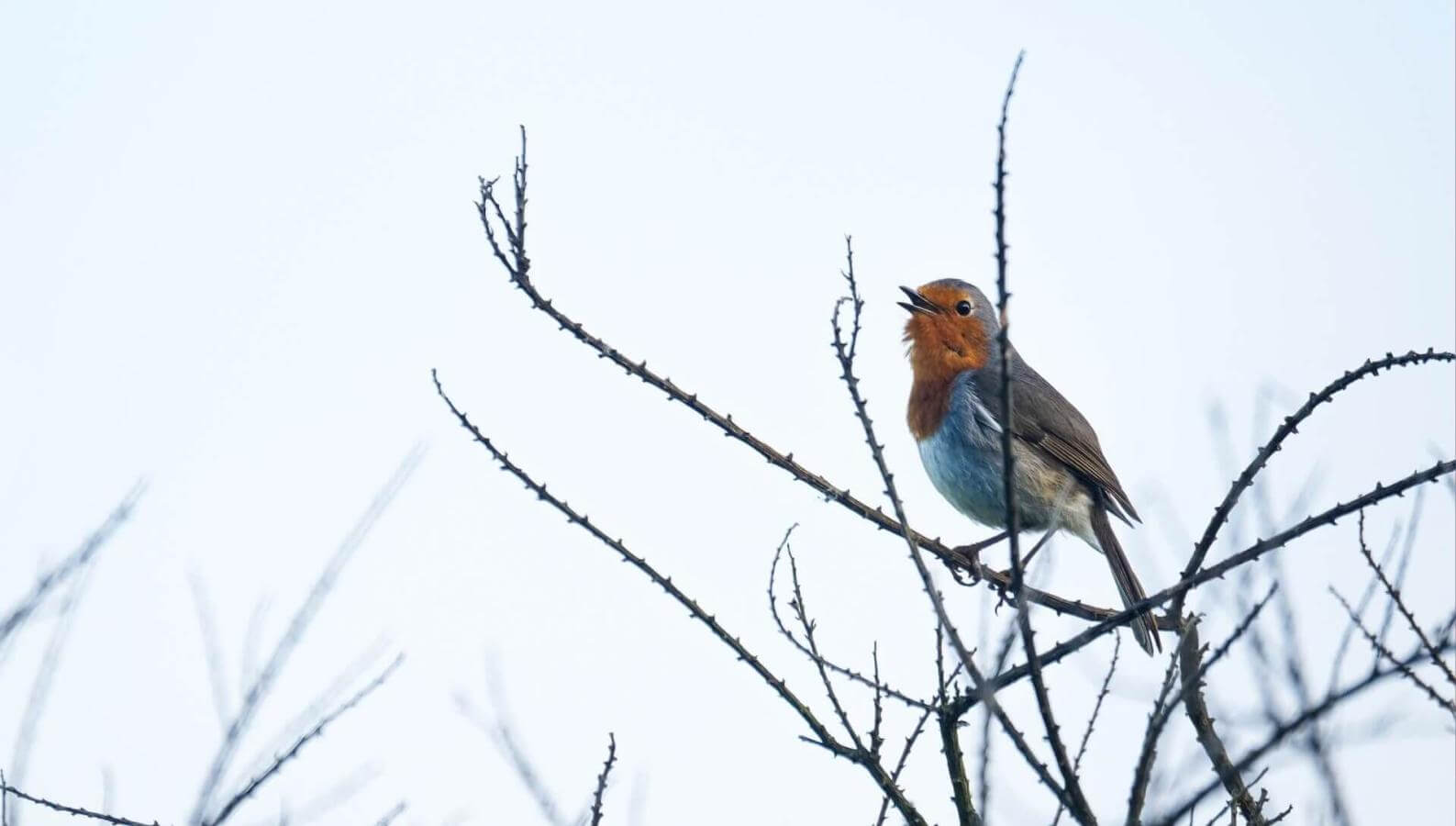
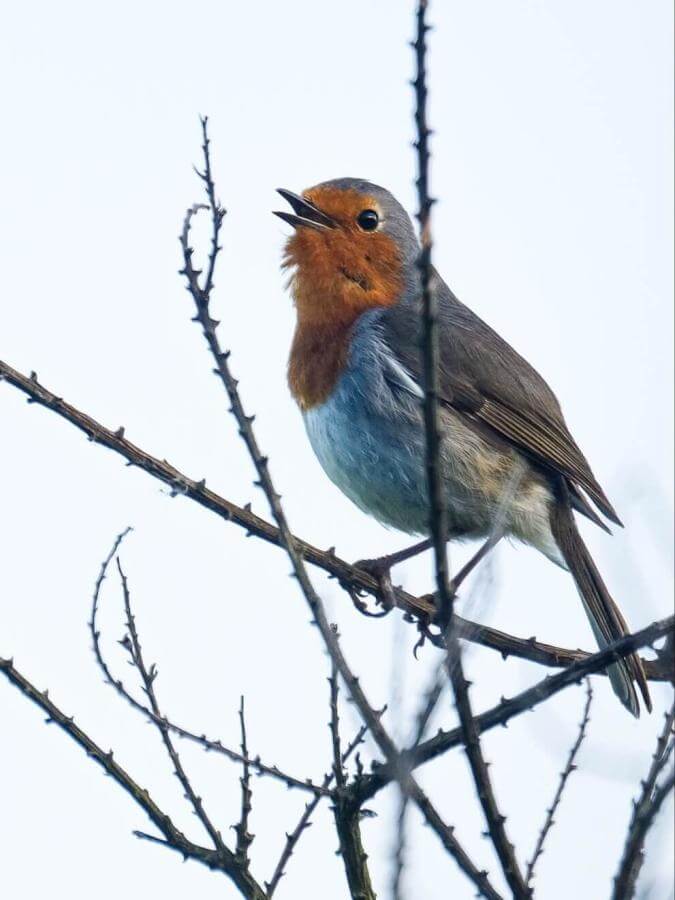
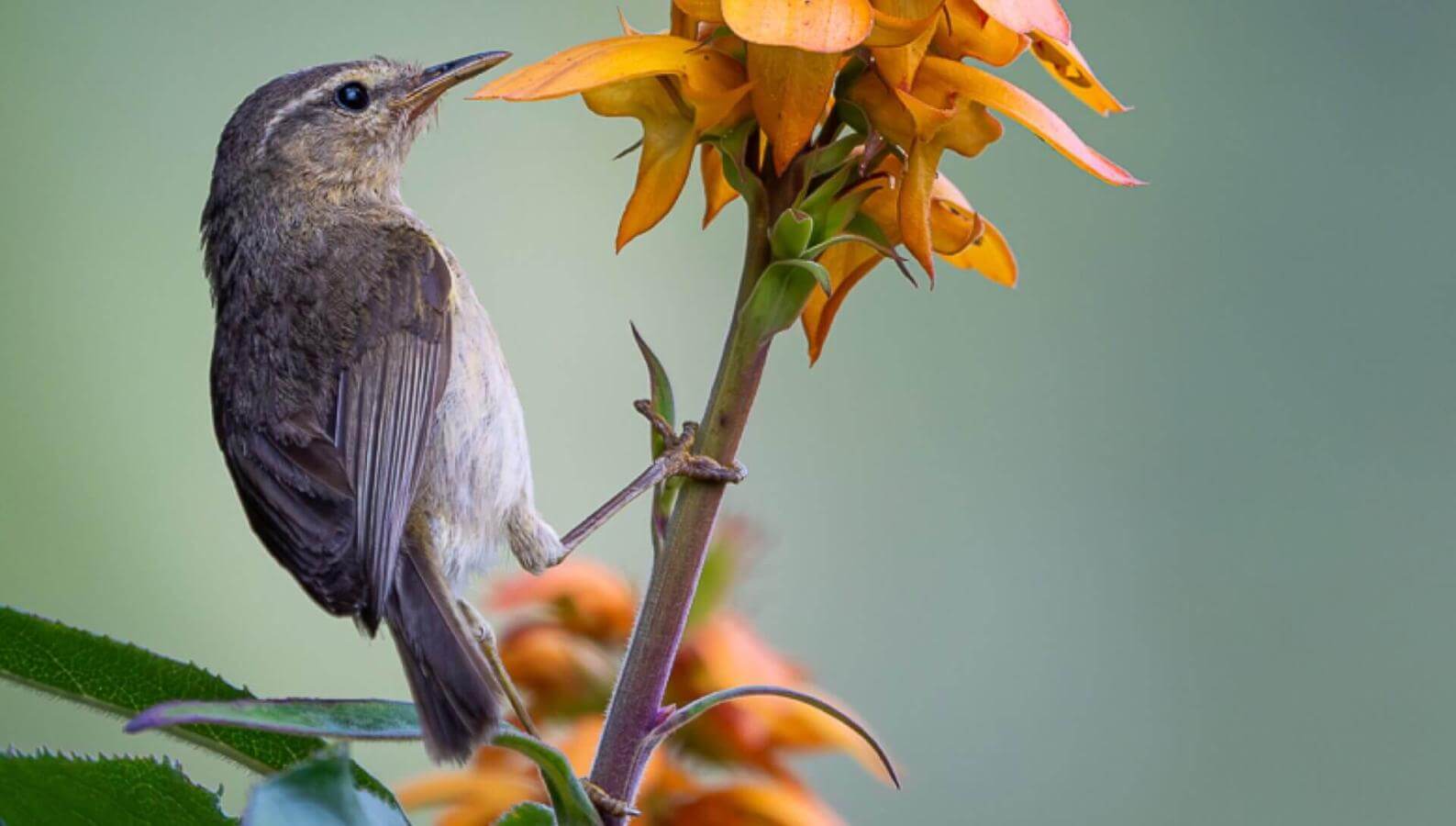
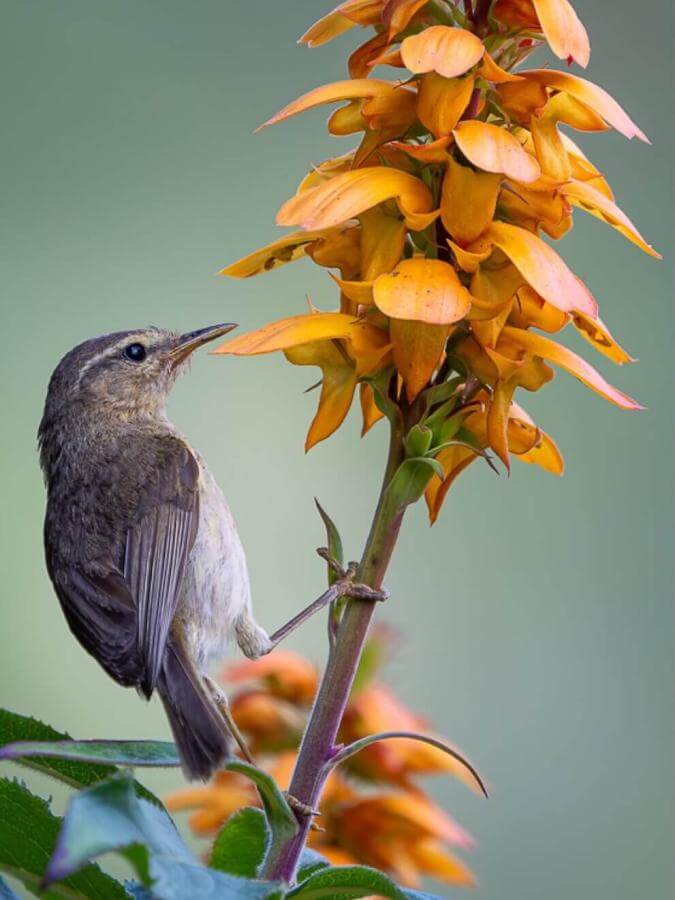
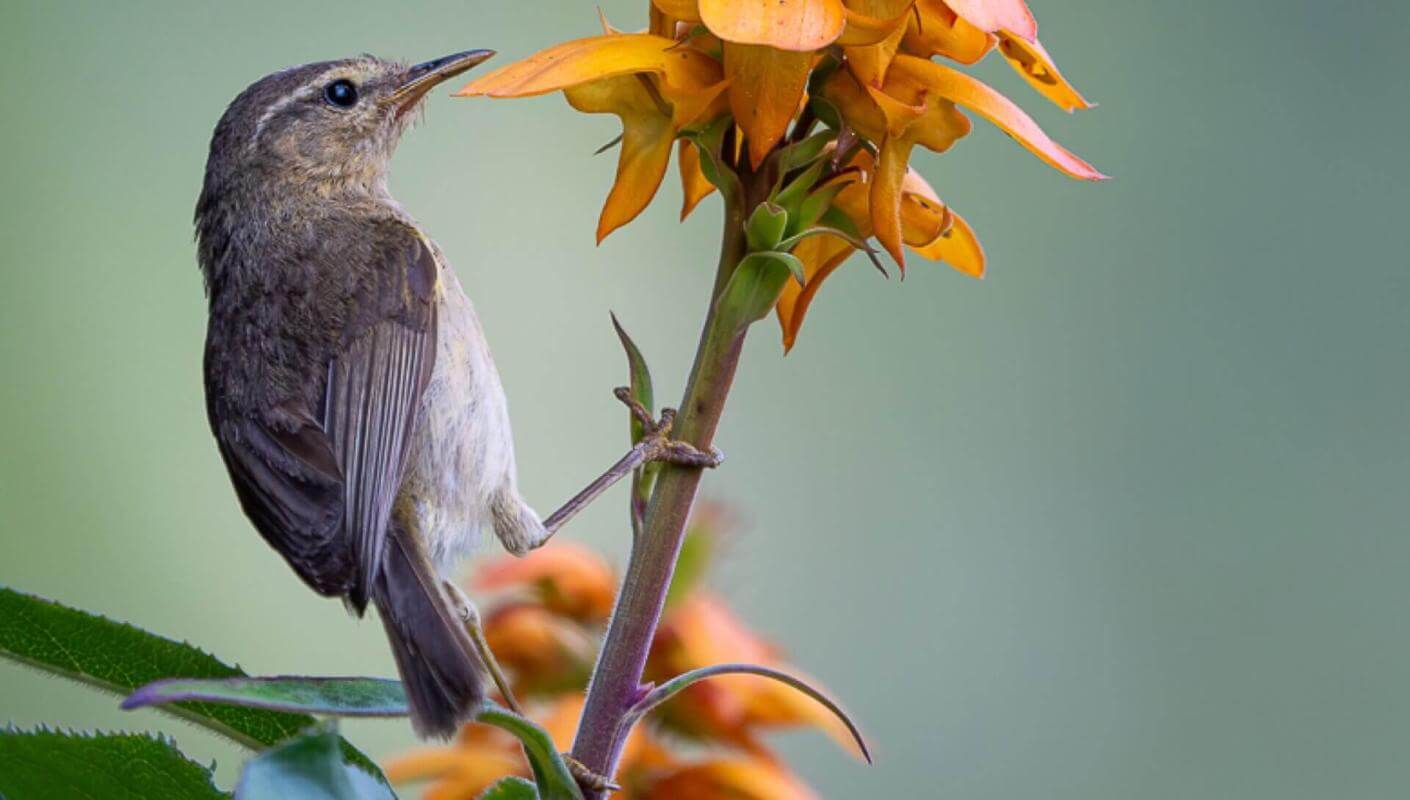
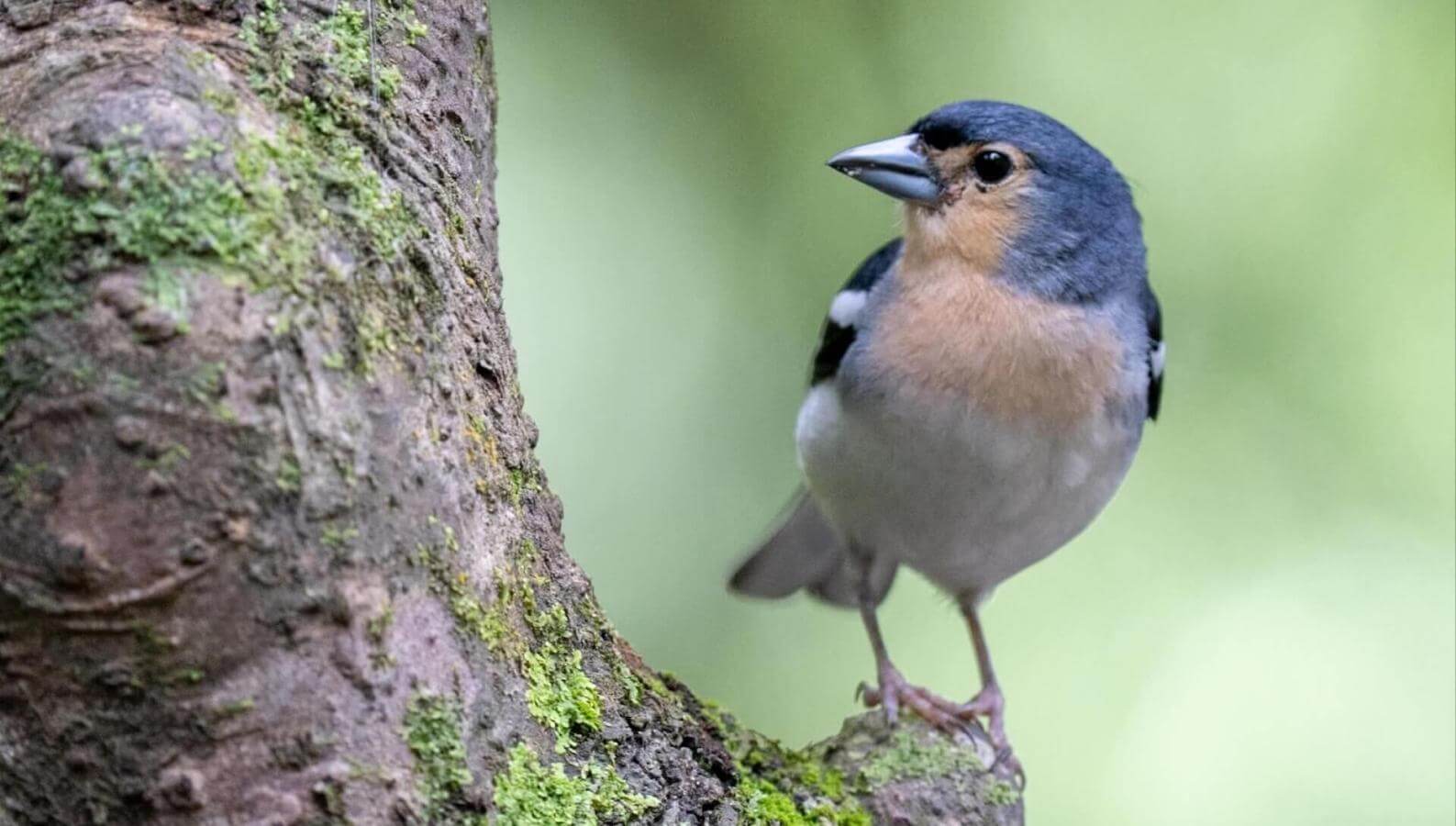
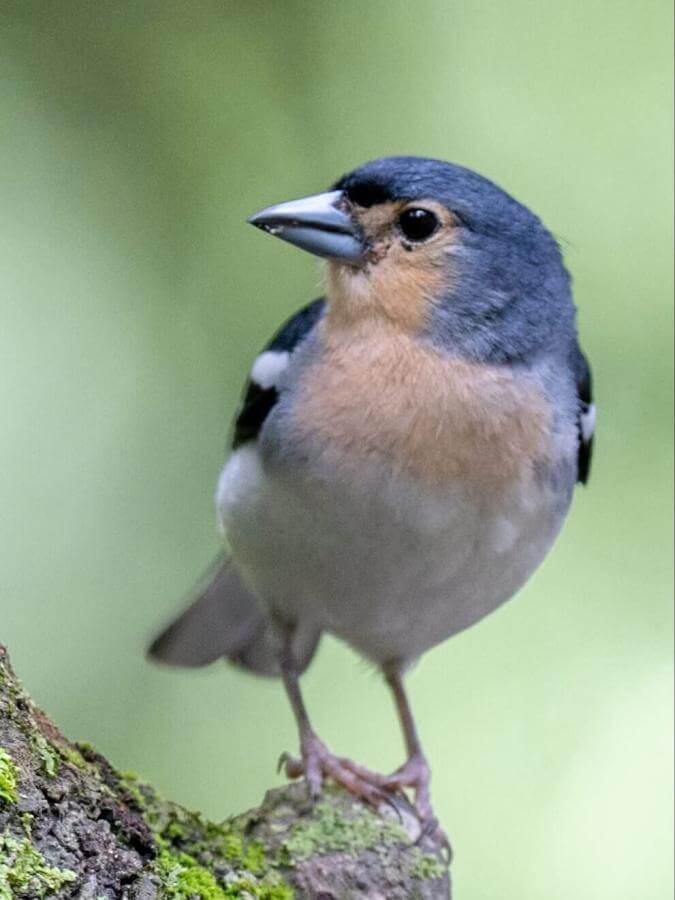
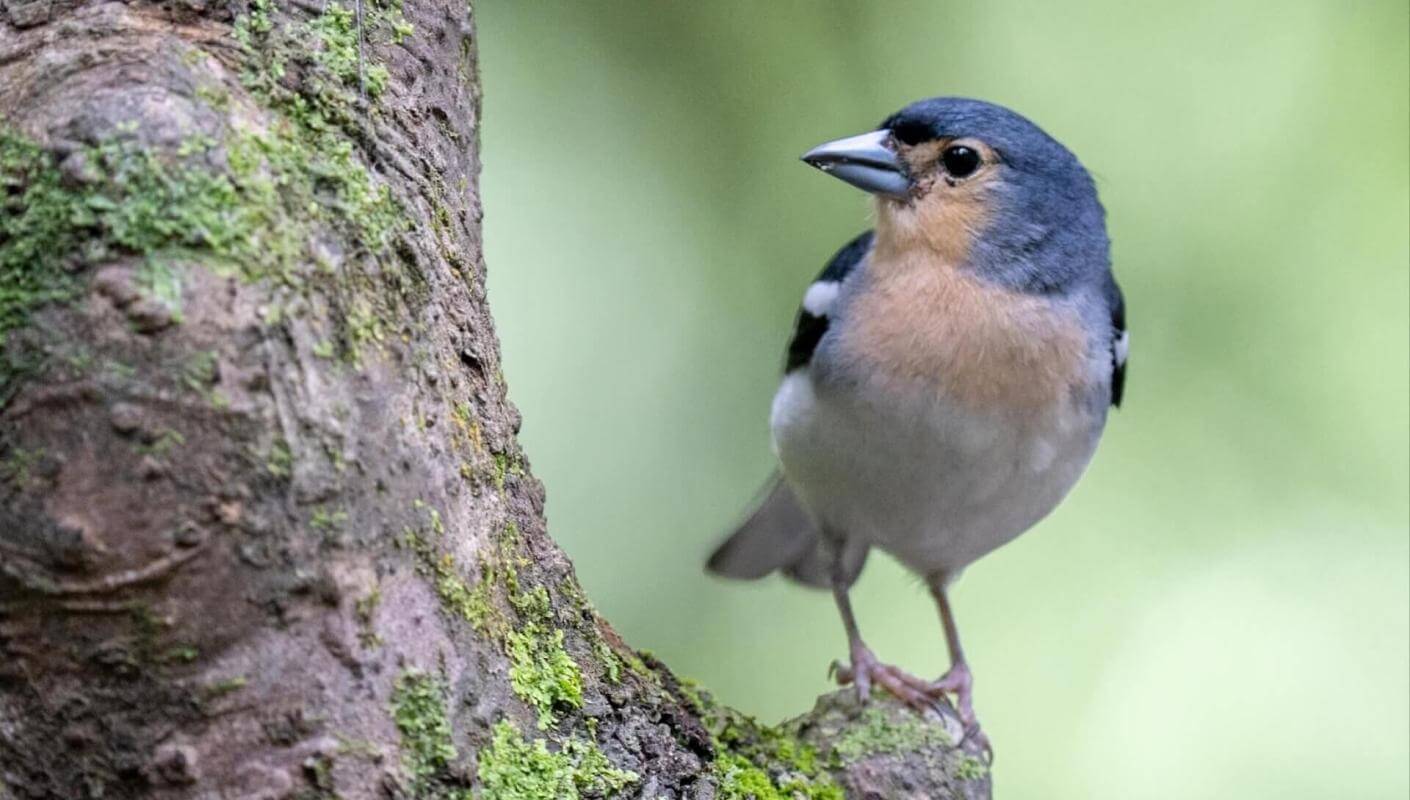
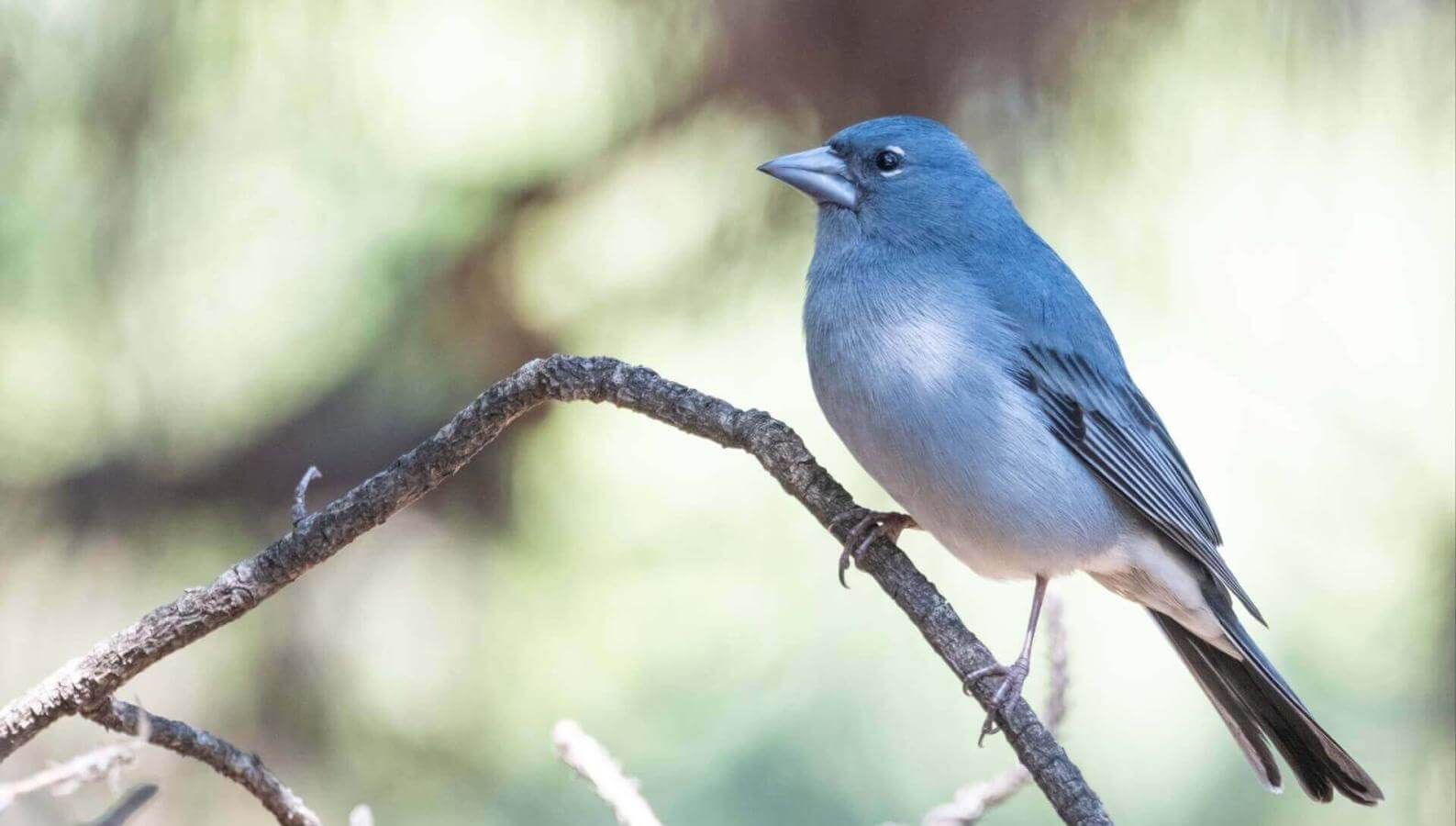
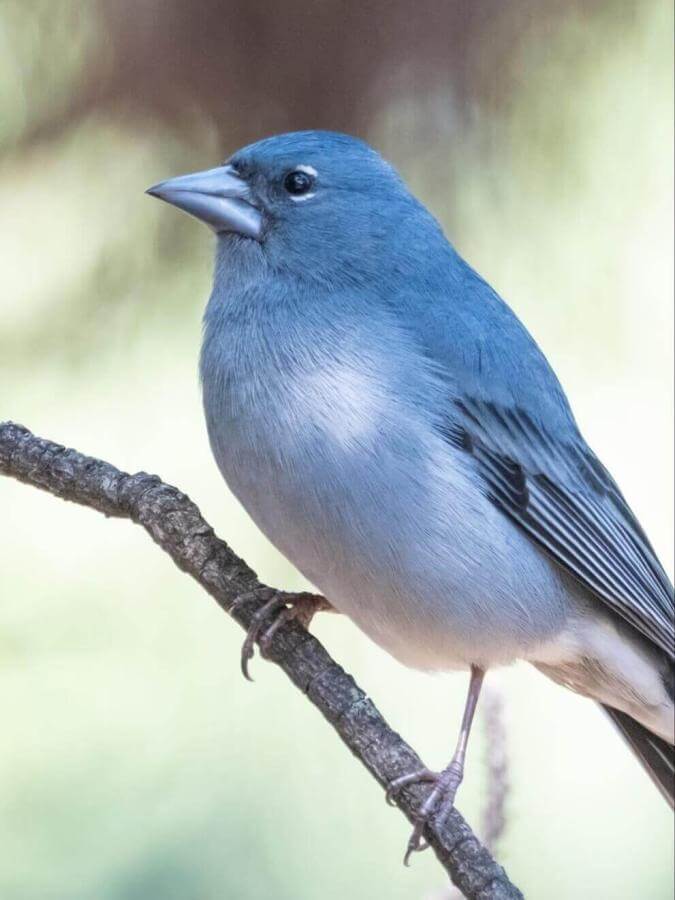
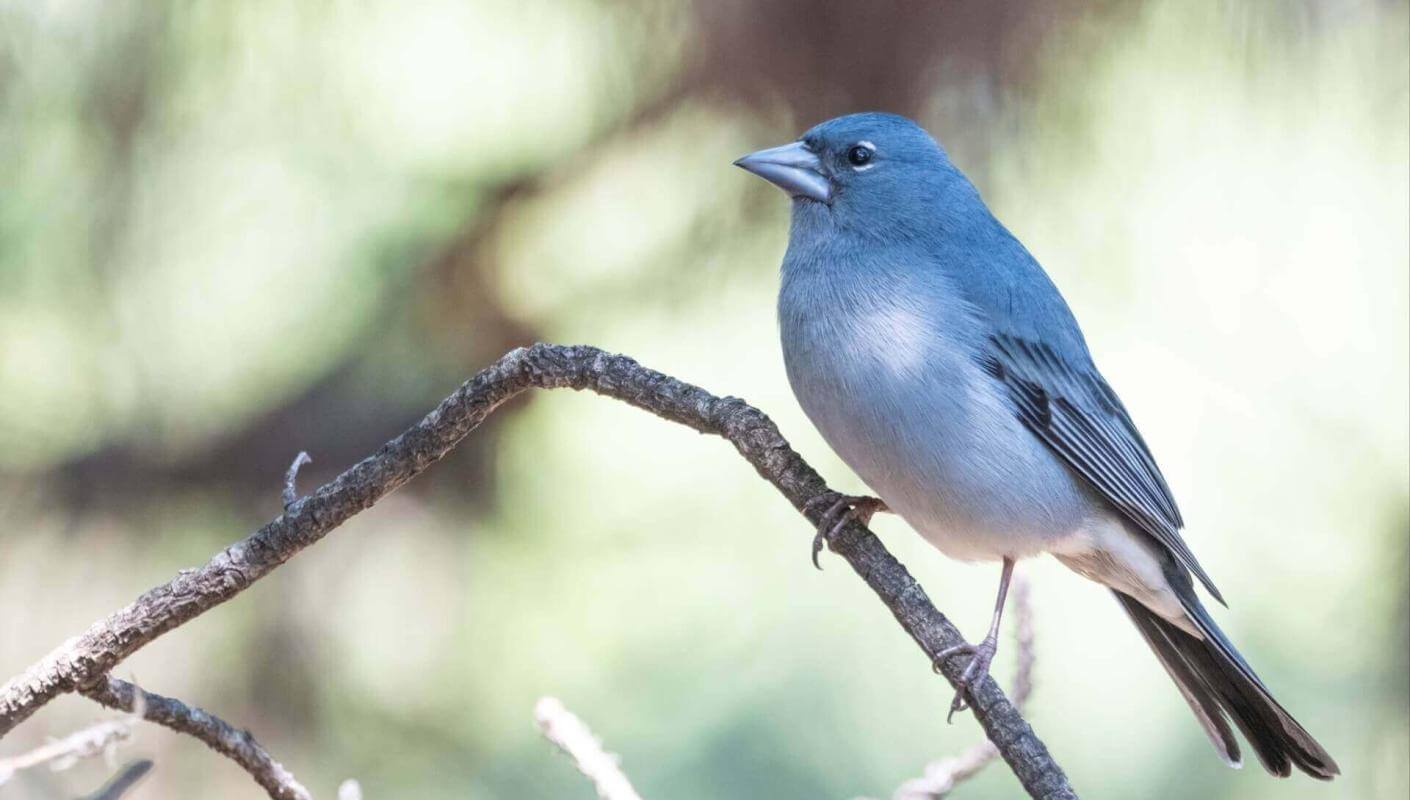
Species of endemic birds of the Canary Islands
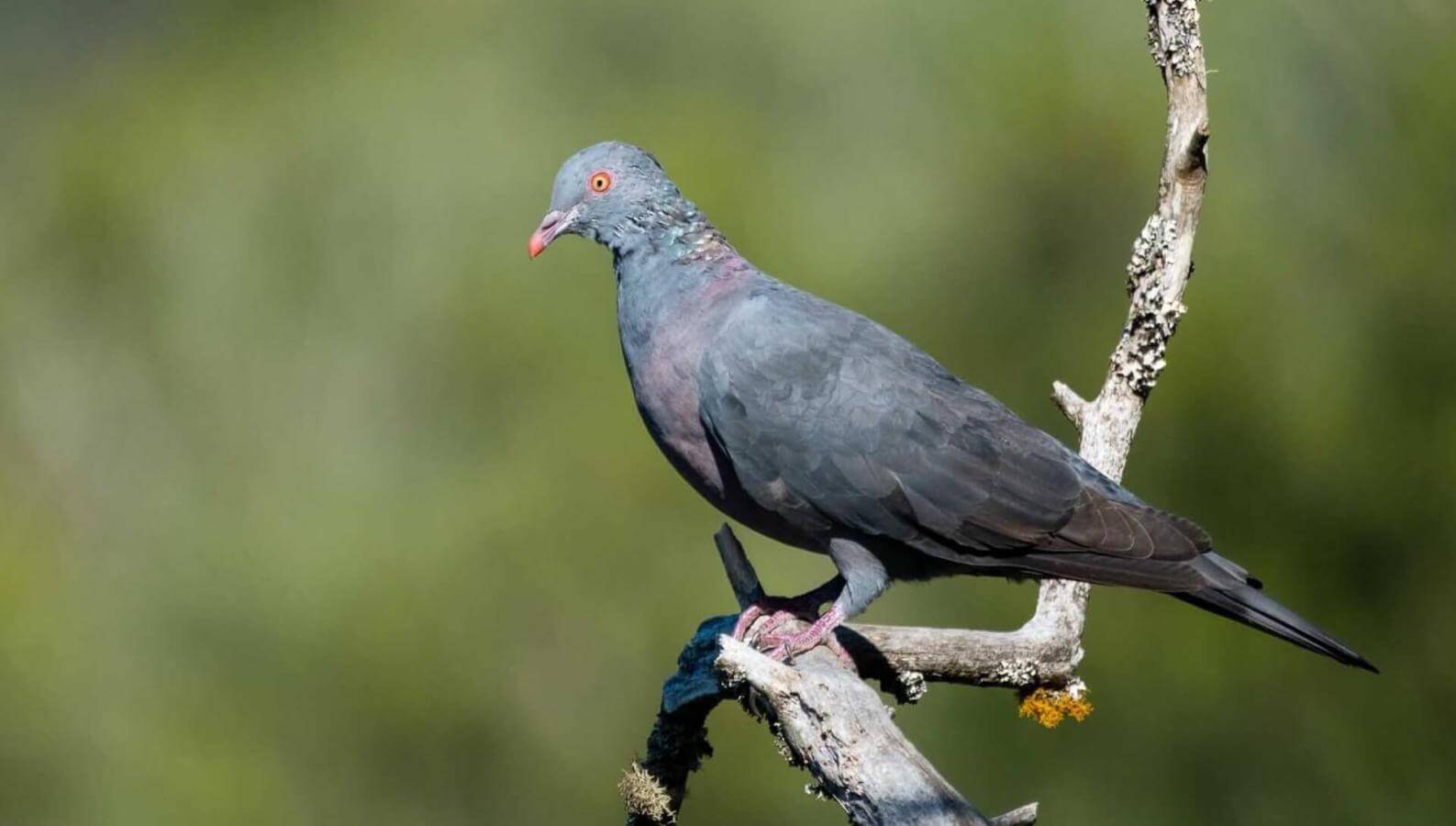
- Laurel Pigeon (Columba bolli)
- Bolle's pigeon (Columba junoniae)
- Tenerife Robin (Erithacus superbus)
- Gran Canaria Robin (Erithacus rubecula marionae)
- Canary Islands Stonechat (Saxicola dacotiae)
- Canary Islands Chiffchaff (Phylloscopus canariensis)
- Canary Islands Chaffinch (Fringilla canariensis)
- Tenerife Blue Chaffinch (Fringilla teydea)
- Gran Canaria Blue Chaffinch (Fringilla polatzeki)

400 bird species observed
The strategic location of the Canary Islands - midway between the planet's tropical and temperate zones, the influence of the Canary Current, and the proximity to the Sahara Desert - has favoured the arrival of around four hundred bird species.
Every year, over a hundred migratory birds stop in the islands to rest or feed during their long journeys between northern lands and tropical Africa. Others, like seabirds, use the archipelago's coasts as a reference point on their extreme oceanic crossings.
Furthermore, when the east wind blows or after days of rain, the arrival of "rare birds" from the American continent, from south of the Sahara, and to a lesser extent, from Asia, is common.





An extensive network of natural spaces
The Canary Islands comprise one of the most extensive and diverse networks of protected natural areas in Europe. These spaces aim to protect a territory with exceptional natural wealth. In addition to this network is the international recognition from UNESCO, which has declared seven Biosphere Reserves in the archipelago: Lanzarote, Fuerteventura, La Palma, La Gomera, El Hierro, the southwest of Gran Canaria and Anaga in Tenerife. These designations reflect the islands’ commitment to nature conservation and the sustainable development of their local communities.
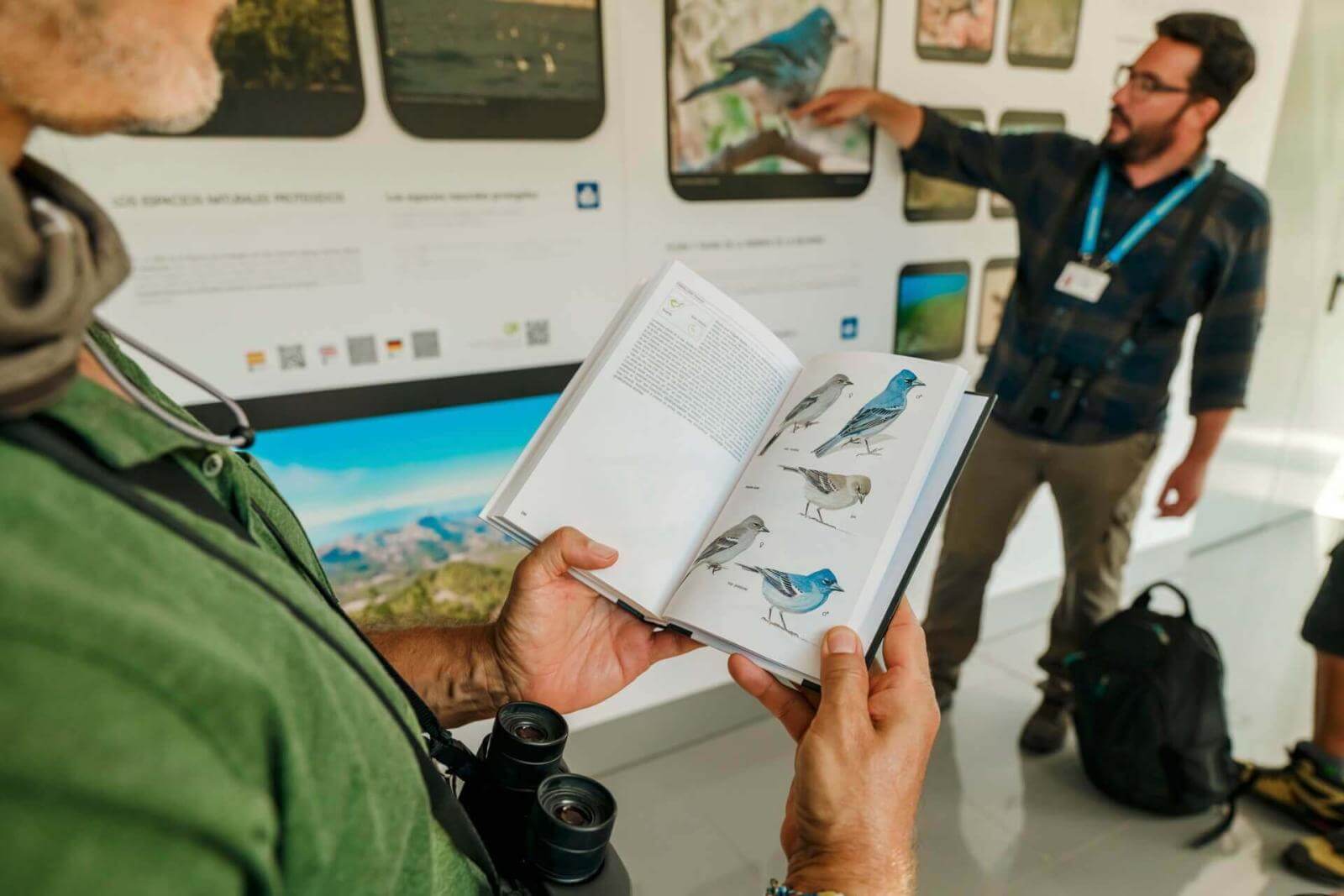
Birdwatching in these spaces is an invitation to discover the natural soul of the islands. Signposted trails, viewpoints and interpretation centres allow for sustainable, respectful enjoyment of their landscapes and the tranquillity of environments that seem frozen in time. The Canary Islands are a veritable sanctuary of life and nature, where every corner offers an experience of connection with the planet.



An extensive range of quality services
The Canary Islands boast an excellent range of services related to ecotourism and birdwatching, ideal for those seeking to enjoy nature in an authentic and sustainable fashion. With a variety of options available, from guided tours led by local experts to ecotourism activities, visitors can explore the most beautiful corners of the archipelago in an environmentally respectful manner.
Services range from interpretation centres providing detailed information on Canarian fauna and flora, to eco-friendly accommodation that allows for total immersion in nature. Moreover, the gamut of activities caters to all tastes, allowing visitors to enjoy the islands’ biodiversity through hiking routes, birdwatching, nature photography, and much more.
This array of options makes the Canary Islands a privileged destination for ecotourism and birdwatching enthusiasts, offering a complete, high-quality experience in a safe environment.

A destination for great travellers
Since the 18th century, the Canary Islands have captured the attention of numerous naturalist travellers, drawn by the archipelago’s astounding biodiversity. Figures such as Alexander von Humboldt, Sabino Berthelot, Philip Barker-Webb, Richard F. Burton or Erwin H. Jacoby traversed its mountains, forests and coasts, leaving valuable testimonies about the islands’ natural riches.
The presence of endemic species like the Tenerife Blue Chaffinch, the Laurel Pigeon, or the Canary Islands Stonechat was undoubtedly one of the greatest attractions for these explorers. Today, the archipelago remains a privileged destination for those visiting the Canary Islands following in the footsteps of these early travellers who transformed curiosity into knowledge and admiration for this Atlantic paradise.